
Why do some life-saving drugs stay expensive for over a decade while others see price drops almost immediately? The answer lies in the complex world of biologic patent protection, which is a legal framework that delays competition from similar biological products to incentivize innovation. Unlike traditional pills, these complex medicines face unique regulatory hurdles. Understanding when biosimilars can enter the market is crucial for patients, providers, and payers navigating today's healthcare landscape.
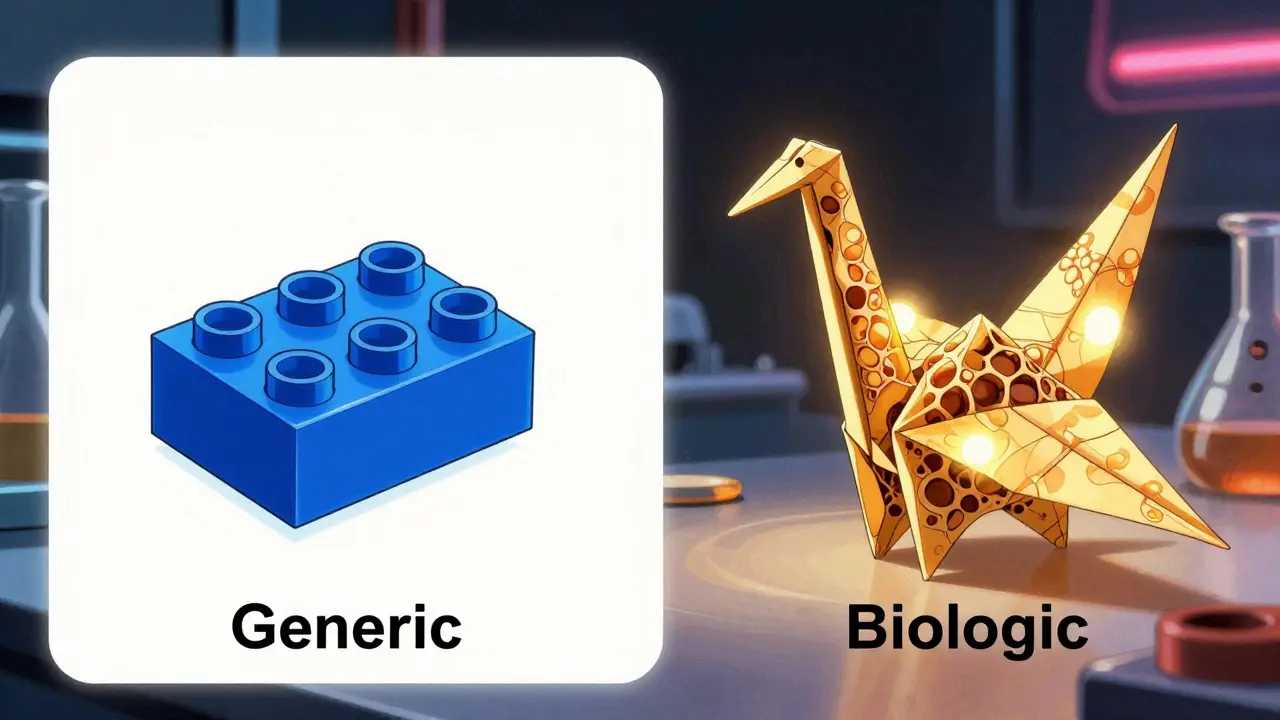
The difference between a generic drug and a biosimilar often confuses people. Generics are carbon copies of small-molecule drugs like aspirin or statins. You can make them easily once the patent expires. Biologics, however, are large, complex molecules made inside living cells. Think of them as intricate origami folds rather than simple Lego bricks. Because you cannot copy-paste their structure exactly, companies create biosimilars-highly similar versions with no clinically meaningful differences in safety, purity, and potency. This complexity dictates a completely different set of rules for market entry.
How Long Does Biologic Exclusivity Last?
In the United States, the clock starts ticking the moment the Food and Drug Administration (FDA) approves a new reference biological product. Under the Biologics Price Competition and Innovation Act (BPCIA) of 2009, innovator companies receive a robust shield against competition. Specifically, they get 12 years of market exclusivity. During this entire period, the FDA is legally barred from approving any biosimilar application for that specific product.
This 12-year window isn't just one solid block of time; it has two distinct phases that matter deeply for developers:
- Years 0-4 (Data Exclusivity): No one can even submit an application to the FDA. The innovator holds total monopoly power here. Biosimilar manufacturers must wait because there is no pathway to file.
- Years 4-12 (Market Exclusivity): Companies can now submit their applications. They start running clinical trials and preparing paperwork. However, the FDA still cannot approve them until the full 12 years have passed.
If the manufacturer conducts pediatric studies requested by the FDA, they can extend this protection by an additional six months. This dual-layer system aims to reward the high risk and cost of developing novel biologics, which often take over a decade and billions of dollars to bring to market.
The Patent Dance: A Legal Obstacle Course
Even after the 12-year exclusivity expires, biosimilar entry is rarely straightforward. The BPCIA introduced a process known as the "patent dance." It sounds whimsical, but it is actually a rigid, multi-step litigation strategy designed to resolve potential patent disputes before a biosimilar hits shelves.
Here is how the dance typically unfolds:
- Information Exchange: Within 20 days of the FDA accepting a biosimilar application, the applicant must share its full application and manufacturing details with the reference product sponsor (the original company).
- Patent Listing: The original company has 60 days to list every patent it believes the biosimilar might infringe upon. These aren't just the main patents; they include secondary patents on formulation, delivery methods, and usage protocols.
- Response: The biosimilar maker gets another 60 days to argue why those patents are invalid, unenforceable, or not infringed.
- Negotiation & Litigation: Both sides have 15 days to negotiate which patents will go to court immediately. The rest may be litigated later.
This process was tested in the landmark case Amgen v. Sandoz (2017), where the Supreme Court ruled that biosimilar applicants could not skip the patent dance if the original company wanted to participate. The result? Often, years of legal battles. Original manufacturers build "patent thickets"-dense webs of overlapping patents-to delay competitors. For example, AbbVie held hundreds of patents related to Humira, extending its dominance long after the primary patent expired.

Global Differences: Why Europe Gets Biosimilars Faster
If you look across the Atlantic, the timeline looks very different. The European Medicines Agency (EMA) offers only 10 years of data exclusivity plus 1 year of market exclusivity, totaling 11 years. While this seems close to the US’s 12 years, the practical impact is massive.
| Region | Total Exclusivity | Early Submission Allowed? | Average Delay vs US |
|---|---|---|---|
| United States | 12 Years | After 4 Years | Baseline |
| European Union | 11 Years | Yes (Parallel Development) | ~2-3 Years Earlier Entry |
| Japan | 12 Years | Limited | Similar to US |
But the real difference lies in adoption and policy. In Europe, health systems actively encourage switching to biosimilars. As a result, drugs like adalimumab (Humira) saw biosimilar competition in Europe starting in 2018. In the US, despite biosimilars being approved in 2023, the market penetration remained sluggish due to pharmacy benefit manager contracts and physician hesitation. Reports indicate American patients paid an estimated $167 billion extra during this gap compared to European counterparts who benefited from earlier competition.
The Growing Biosimilar Void
Here is a surprising reality: even when patents expire, biosimilars don't always appear. Analysts call this the "biosimilar void." According to IQVIA Institute reports, between 2025 and 2034, 118 biologics will lose patent protection, representing a $234 billion market opportunity. Yet, only a fraction have biosimilars currently in development.
Why does this happen? Several factors create barriers:
- Low Sales Potential: If a drug doesn't sell enough, the $100 million+ cost to develop a biosimilar isn't justified.
- Molecular Complexity: Newer therapies like antibody-drug conjugates and cell therapies are incredibly hard to replicate. Manufacturing investments can exceed $250 million.
- Orphan Drug Status: Many expiring biologics treat rare diseases. With small patient populations, there is little financial incentive for competitors to enter.
For instance, eculizumab, a treatment for rare genetic disorders, had no biosimilars in its pipeline despite orphan indications covering most of its uses. This leaves patients stuck with high prices even after legal protections lapse.
Cost Implications for Patients and Providers
The stakes are personal. Developing a biosimilar takes five to nine years and costs more than $100 million, according to Pfizer’s manufacturing data. This is vastly higher than generics, which cost $1-2 million and take two years. Because of these high upfront costs, fewer companies compete, limiting price drops.
However, when biosimilars do succeed, savings are significant. The Congressional Budget Office projected that addressing development barriers could save the US healthcare system $158 billion over a decade. Currently, under existing conditions, savings are capped at around $71 billion. Pharmacists report that nearly 80% believe the current patent system unnecessarily delays availability, leading to cases where patients abandon therapy due to cost.
Dr. Peter Bach from Memorial Sloan Kettering noted that US patients often pay 300% more for identical treatments than Europeans. This disparity highlights how regulatory frameworks directly impact wallet share and access to care.
What Comes Next?
The landscape is shifting. The FDA released a Biosimilars Action Plan in 2022 aimed at streamlining approvals and improving communication. Legislative efforts like the Biosimilars User Fee Act sought to reduce review times, though progress has been slow. As we move through 2026, expect more focus on reducing the "void" and encouraging competition for complex therapies. For patients, understanding these timelines helps manage expectations about when cheaper alternatives might become available for your specific medication.
How long is the exclusivity period for biologics in the US?
In the United States, biologics receive 12 years of market exclusivity from the date of FDA approval. During the first 4 years, no biosimilar applications can be submitted. From years 4 to 12, applications can be filed but not approved.
What is the "patent dance" in biosimilar development?
The patent dance is a mandatory information exchange and negotiation process between the original biologic manufacturer and the biosimilar applicant. It involves sharing application details, listing potentially infringed patents, and negotiating which patents will be litigated immediately to resolve disputes before market entry.
Why are biosimilars not available sooner in the US compared to Europe?
The US has a 12-year exclusivity period versus Europe's 11 years. Additionally, the US "patent dance" creates more litigation opportunities, and historical hesitancy among providers and payers to switch to biosimilars has slowed adoption rates compared to European markets.
What is the "biosimilar void"?
The biosimilar void refers to situations where biologic drugs lose patent protection but no biosimilar competitors enter the market. This happens due to low sales potential, high development costs, molecular complexity, or orphan drug status, leaving patients without cheaper alternatives.
How much does it cost to develop a biosimilar?
Developing a biosimilar typically costs more than $100 million and takes five to nine years. For complex biologics like antibody-drug conjugates, costs can exceed $250 million, making it a high-risk investment compared to generic drugs.