
Renal Diet Guide: Managing Sodium, Potassium, and Phosphorus for CKD
Learn how to manage sodium, potassium, and phosphorus with a renal diet. Get practical tips, food swaps, and daily limits to protect your kidney health.
- Aug, 21 2026
- 0 Comments

Want to boost your health but don’t know where to start? You’re in the right spot. Health and wellness isn't just about avoiding illness—it's about making smart choices every day that help you feel your best.
First off, understanding your medications matters. Take acetaminophen, for example. Lots of people use it to ease pain or lower fever but don’t realize the risks if you take too much. Keep your doses on point, and don’t mix with alcohol—that combo can hurt your liver fast.
There’s tons of buzz around natural supplements like Goutweed or Oriental Arborvitae. They can support your body, but don’t expect miracles overnight. These supplements work best paired with healthy eating and exercise. If you spot something new, check out its ingredients and safety info first—there’s no harm in being cautious.
Managing long-term conditions naturally is also possible. People with type 2 diabetes, for example, can make lifestyle tweaks—like smarter meals and daily activity—that help control blood sugar alongside or instead of meds. This takes commitment, but small steps add up.
Your health depends a lot on the info you trust. Since misleading medical claims flood the internet, learning how to fact-check things is a game changer. Always look for reputable sources—government health sites or well-known medical groups—and watch out for flashy ads or miracle cures that sound too good to be true.
Whether you’re curious about a new diet pill or searching for tips to ease pregnancy rhinitis, having reliable info makes all the difference. Ask questions, consult professionals, and don’t rush decisions when it comes to your body.
Making smart choices around your health is within reach. By understanding your treatments, using supplements wisely, and trusting solid info, you can take real steps to improve how you feel every day. Ready to start your wellness journey? It’s easier than you think.
Learn how to manage sodium, potassium, and phosphorus with a renal diet. Get practical tips, food swaps, and daily limits to protect your kidney health.

Discover how to identify and treat Myofascial Pain Syndrome. Learn about trigger points, the difference between MPS and fibromyalgia, and effective release techniques like dry needling and ischemic compression.

Explore the latest research on whether weight loss helps hip osteoarthritis. Learn why hip OA differs from knee OA, the importance of losing 10%+ body weight, and practical strategies for joint preservation.

Learn how to monitor seniors for over-sedation and overdose signs. Discover vital warning signs, effective monitoring techniques, and emergency steps to prevent respiratory depression in elderly patients.
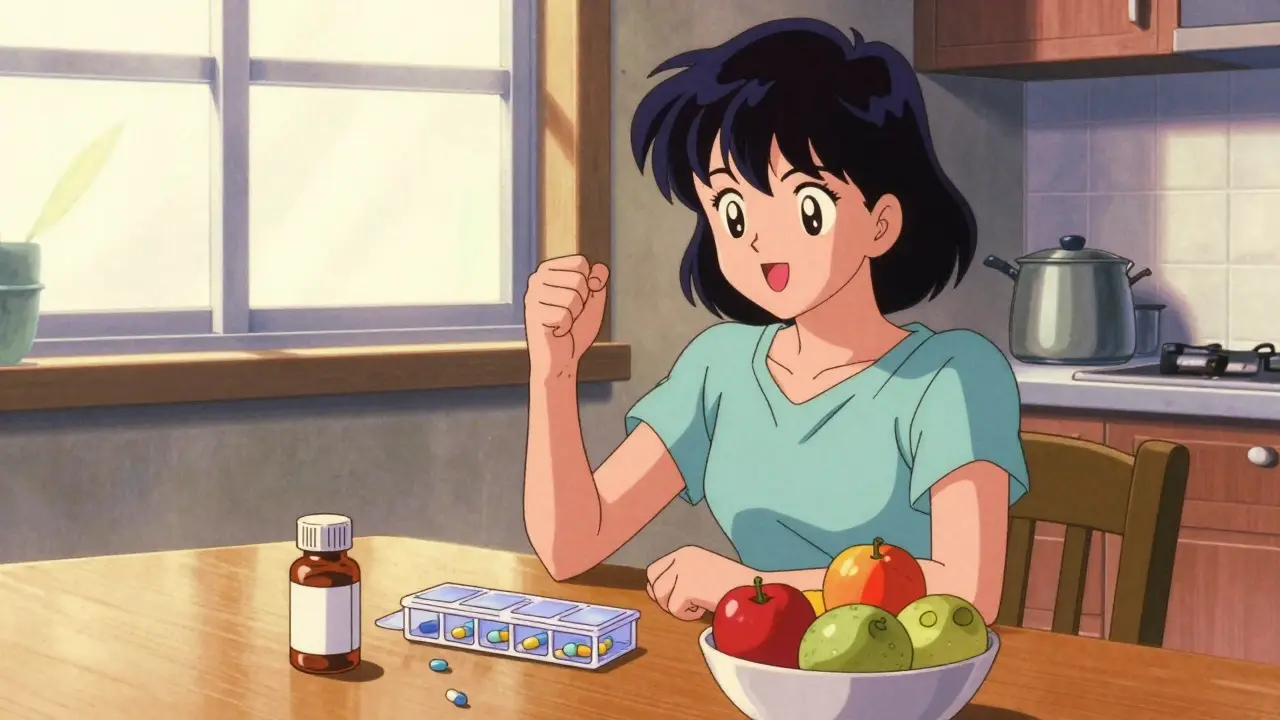
Discover practical lifestyle changes to minimise medication side effects safely. Learn how diet, exercise, and sleep optimisation can improve drug tolerance and overall health outcomes.
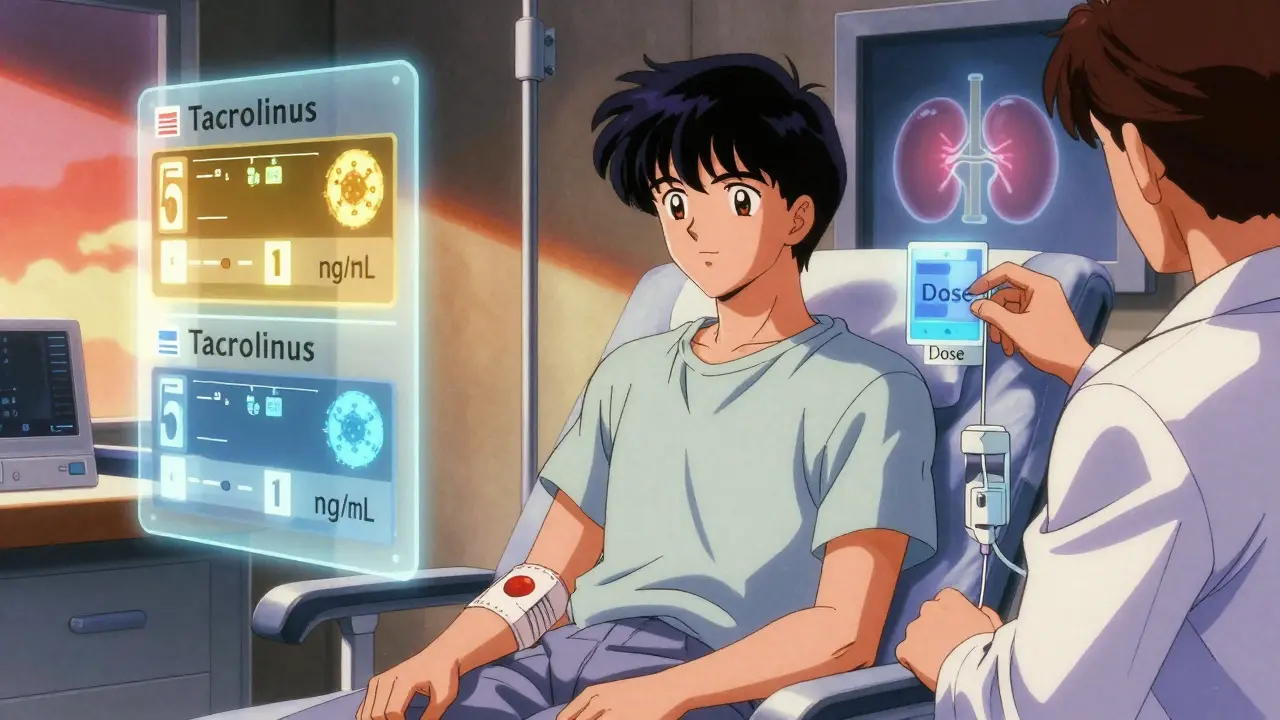
Monitoring during immunosuppressive therapy uses lab tests and imaging to balance rejection risk and drug toxicity. Learn how tacrolimus levels, TTV biomarkers, and routine blood work help transplant and autoimmune patients stay healthy.

Recognizing the signs of a medication overdose can save a life. Learn the key symptoms of opioid, stimulant, and depressant overdoses-and what to do in an emergency. Quick action with naloxone and calling 911 makes all the difference.

Statins help prevent heart disease, but muscle pain can make exercise feel risky. Learn how to stay active safely with proven tips on intensity, timing, statin types, and when to seek help.
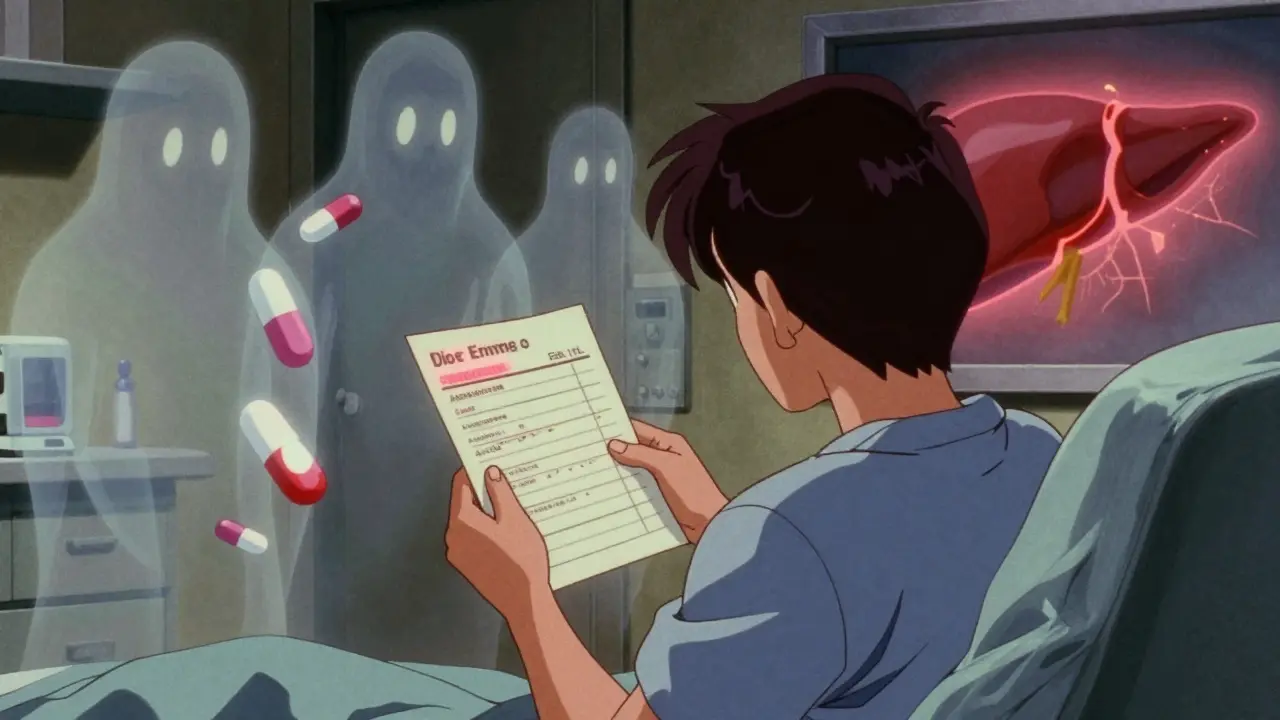
Drug-induced liver injury can be silent but deadly. Learn which medications carry the highest risk - from acetaminophen to herbal supplements - and how to monitor your liver health before damage occurs.

Drug shortages are disrupting care for millions, delaying life-saving treatments and forcing dangerous substitutions. Here’s how supply chain failures and profit-driven manufacturing are putting patients at risk-and what’s being done to fix it.