
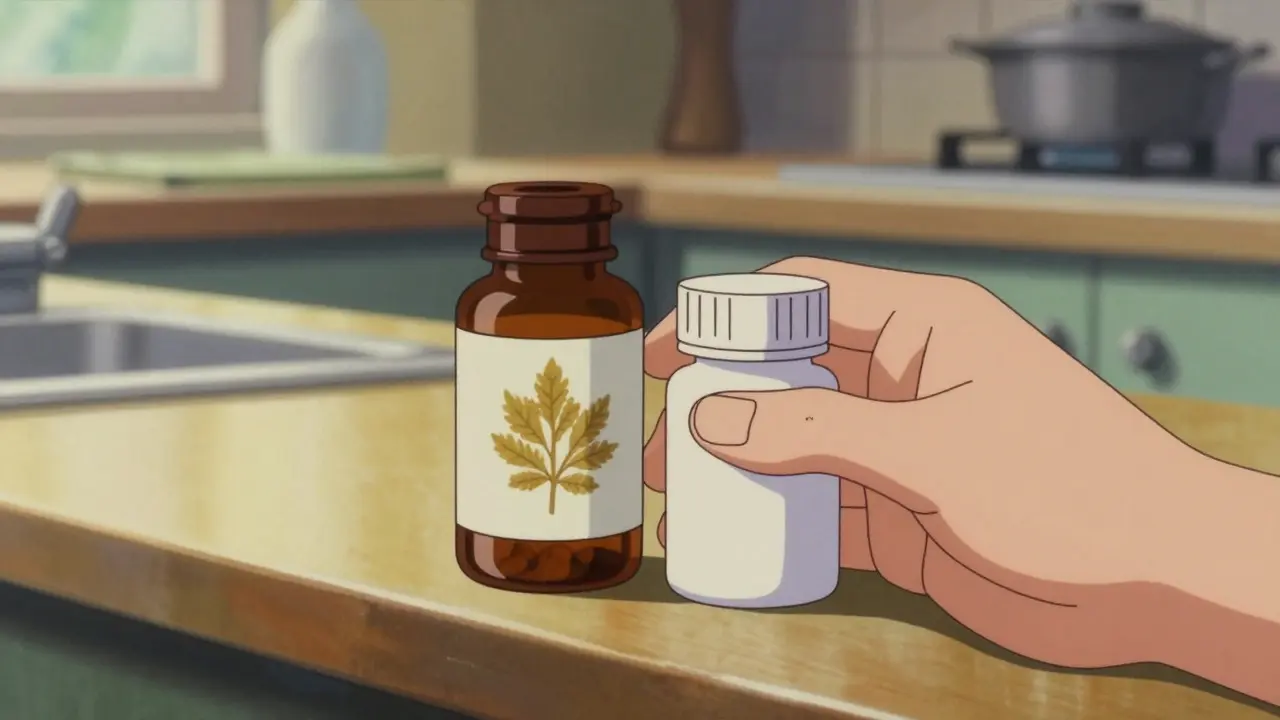
Imagine taking your daily medication to keep your blood sugar in check, only to find it’s not working as well as it should. You haven’t changed your diet or exercise routine. The culprit might be hiding in your supplement cabinet. If you are taking metformin for type 2 diabetes and also using goldenseal supplements, you could be facing a complex interaction that affects how your body processes both substances.
This isn’t just theoretical speculation. Recent clinical studies have shed light on exactly how these two popular remedies interact. For millions of people managing diabetes, understanding this relationship is crucial for maintaining stable glucose levels and avoiding unexpected health complications.
The Core Conflict: How Goldenseal Affects Metformin Absorption
To understand the risk, we first need to look at what happens inside your body when you take these substances together. Metformin is the most widely prescribed first-line medication for type 2 diabetes, helping to lower blood sugar by reducing glucose production in the liver and improving insulin sensitivity. It works best when it is fully absorbed into your bloodstream through your intestines.
Goldenseal, known scientifically as Hydrastis canadensis, is an herbal supplement historically used for digestive issues and infections, containing berberine as its primary active compound. While many people turn to goldenseal for its natural immune-boosting properties, research has revealed a significant pharmacokinetic interaction between it and metformin.
A pivotal study published in Clinical Pharmacology & Therapeutics in February 2021, led by Dr. Mary Paine from Washington State University, documented this interaction systematically. The researchers found that goldenseal interferes with the intestinal absorption of metformin. This means less of the drug enters your system than intended, potentially compromising your blood glucose control.
The mechanism behind this interference is fascinating. Earlier assumptions suggested goldenseal worked by inhibiting cytochrome P450 enzymes (specifically CYP3A), similar to how grapefruit juice interacts with certain drugs. However, the 2021 study, along with follow-up research in Clinical and Translational Science (February 2025), showed that renal clearance and elimination half-life remained unchanged. Instead, the interaction occurs during intestinal absorption, likely involving competitive inhibition of organic cation transporter 1 (OCT1).
Dose-Dependent Effects: Why Your Medication Strength Matters
Not all interactions are created equal. The impact of goldenseal on metformin depends heavily on the dose of metformin you are taking. This nuance is critical for patients and healthcare providers alike.
| Metformin Dose Range | Decrease in Area Under Curve (AUC) | Decrease in Maximum Concentration (Cmax) | Clinical Significance |
|---|---|---|---|
| Low (500-750 mg daily) | ~20% | ~25% | High risk of reduced efficacy |
| Moderate (1000-1500 mg) | ~14% | ~14% | Moderate risk; monitor closely |
| High (2000-2550 mg) | 0% (No significant change) | 0% (No significant change) | Minimal interaction observed |
As shown in the data from the ClinicalTrials.gov study (NCT05081583), if you are on a low dose of metformin, adding goldenseal can significantly reduce the amount of drug in your body. At higher doses, the interaction effectively nullifies itself. This suggests that both the interaction and metformin's absorption are governed by saturable intestinal transport mechanisms. When the transporters are already overwhelmed by high doses of metformin, goldenseal has less room to interfere.

The Berberine Paradox: Conflicting Effects on Blood Sugar
Here is where things get tricky. Goldenseal contains Berberine, which is a bioactive compound found in several plants, known for its potential to lower blood glucose levels independently. While goldenseal reduces metformin absorption, berberine itself has antihyperglycemic effects.
This creates a dual-risk scenario. On one hand, you have less metformin working in your system. On the other hand, you have berberine trying to lower your blood sugar. In the 2025 study, participants’ HbA1c levels actually decreased from an average of 6.8% to 6.5% during the trial period, regardless of the goldenseal’s effect on metformin pharmacokinetics.
However, relying on this balance is dangerous. The MSD Manual Professional Edition (2024 update) explicitly warns that "Goldenseal may decrease the blood levels of metformin, potentially hindering glucose control." Simultaneously, it notes that "the berberine in goldenseal may also increase the hypoglycemic effects of antihyperglycemic drugs." This combination can lead to unpredictable swings in blood sugar-either dangerously high due to reduced metformin or unexpectedly low due to additive effects.
A meta-analysis of 27 clinical trials published in Frontiers in Endocrinology (January 2023) highlighted that while berberine significantly reduces fasting glucose and HbA1c, these effects tend to attenuate after 90 days and are less pronounced in patients over 60. This variability makes it hard to predict how your body will respond day-to-day.
Practical Steps for Managing the Interaction
If you are currently taking metformin and considering goldenseal, or vice versa, you need a clear plan. Do not make changes without consulting your healthcare provider. Here is how to approach this situation safely:
- Disclose All Supplements: Many patients forget to mention herbal supplements during doctor visits. Be explicit about your use of goldenseal, including dosage and frequency.
- Monitor Blood Glucose Closely: If you start or stop goldenseal while on metformin, check your blood sugar more frequently. Look for trends rather than single readings.
- Consider Timing: While specific safe intervals are still under research, separating the administration of goldenseal and metformin by several hours may help minimize direct competition for intestinal transporters, though this is not yet a proven solution.
- Evaluate Alternatives: If you seek the benefits of berberine, ask your doctor about standardized berberine supplements instead of whole goldenseal. This might provide more predictable effects without the additional compounds in goldenseal that complicate absorption.
The American Diabetes Association’s 2024 Standards of Medical Care recommend "routine assessment of all medications and supplements" as part of comprehensive diabetes care. Use this guideline to advocate for yourself. If your glycemic control deteriorates despite therapeutic dosing, ask your clinician to consider supplement interactions as a potential cause.

Conservation Concerns and Safer Alternatives
Beyond health risks, there is an environmental consideration. Goldenseal (Hydrastis canadensis) is endangered in the wild due to overharvesting. Its slow growth rate and specific habitat requirements make conservation difficult. With approximately 23% of US adults using herbal supplements, the demand for goldenseal remains high, placing further strain on wild populations.
This ecological issue adds another layer to the decision-making process. Is the potential benefit of goldenseal worth the environmental cost and the medical uncertainty? For many, switching to sustainable alternatives like standardized berberine extracts offers a middle ground. These extracts avoid the conservation issues associated with wild-harvested goldenseal while providing the active compound responsible for many of its metabolic effects.
The European Medicines Agency’s 2023 assessment acknowledged berberine’s legitimate glucose-lowering properties but cautioned about potential interactions with metformin. This regulatory stance reinforces the need for individualized patient management rather than blanket recommendations.
When to Seek Immediate Medical Advice
You should contact your healthcare provider immediately if you experience any of the following symptoms after starting goldenseal while on metformin:
- Persistent high blood sugar readings despite adherence to your medication regimen
- Symptoms of hypoglycemia, such as shakiness, sweating, confusion, or rapid heartbeat
- Gastrointestinal distress, as both metformin and goldenseal can affect the digestive system
- Unexplained fatigue or changes in energy levels
Remember, the goal of diabetes management is stability. Introducing variables that disrupt this stability requires careful monitoring and professional guidance.
Can I take goldenseal and metformin together?
It is generally advised to exercise caution. Research shows goldenseal can reduce the absorption of metformin, particularly at lower doses (500-750 mg). While some studies show no significant interaction at high doses, the presence of berberine in goldenseal can also lower blood sugar, creating unpredictable results. Always consult your doctor before combining them.
Does goldenseal lower blood sugar?
Yes, goldenseal contains berberine, which has been shown in clinical trials to lower fasting glucose and HbA1c levels. However, these effects may diminish over time (after 90 days) and vary by age and individual metabolism.
Why does goldenseal interact with metformin?
The interaction occurs primarily in the intestines. Goldenseal appears to compete with metformin for absorption via organic cation transporter 1 (OCT1). This competition reduces the amount of metformin entering your bloodstream, especially at lower medication doses.
Is goldenseal safe for everyone with diabetes?
Not necessarily. Due to its interaction with common diabetes medications like metformin and its variable effects on blood sugar, it is not universally safe. Individuals with kidney issues, liver conditions, or those on multiple medications should be particularly cautious and seek medical advice.
Are there safer alternatives to goldenseal for blood sugar support?
Standardized berberine supplements are often considered a safer alternative. They provide the active compound responsible for glucose-lowering effects without the additional components in goldenseal that interfere with drug absorption. Additionally, they avoid the conservation issues associated with wild-harvested goldenseal.
How long does it take for goldenseal to affect metformin levels?
Studies indicate that the interaction becomes statistically significant after about 6 days of consistent goldenseal administration. This suggests that short-term, occasional use might have less impact, but regular use poses a greater risk of altered metformin exposure.
What should I do if my blood sugar spikes while taking both?
If you experience unexplained high blood sugar while taking goldenseal and metformin, contact your healthcare provider. They may adjust your metformin dosage or advise you to discontinue the supplement. Do not adjust your medication doses on your own.
Is goldenseal endangered?
Yes, Hydrastis canadensis (goldenseal) is considered endangered in the wild due to overharvesting and habitat loss. Choosing cultivated sources or alternatives like berberine extracts can help mitigate environmental impact.