
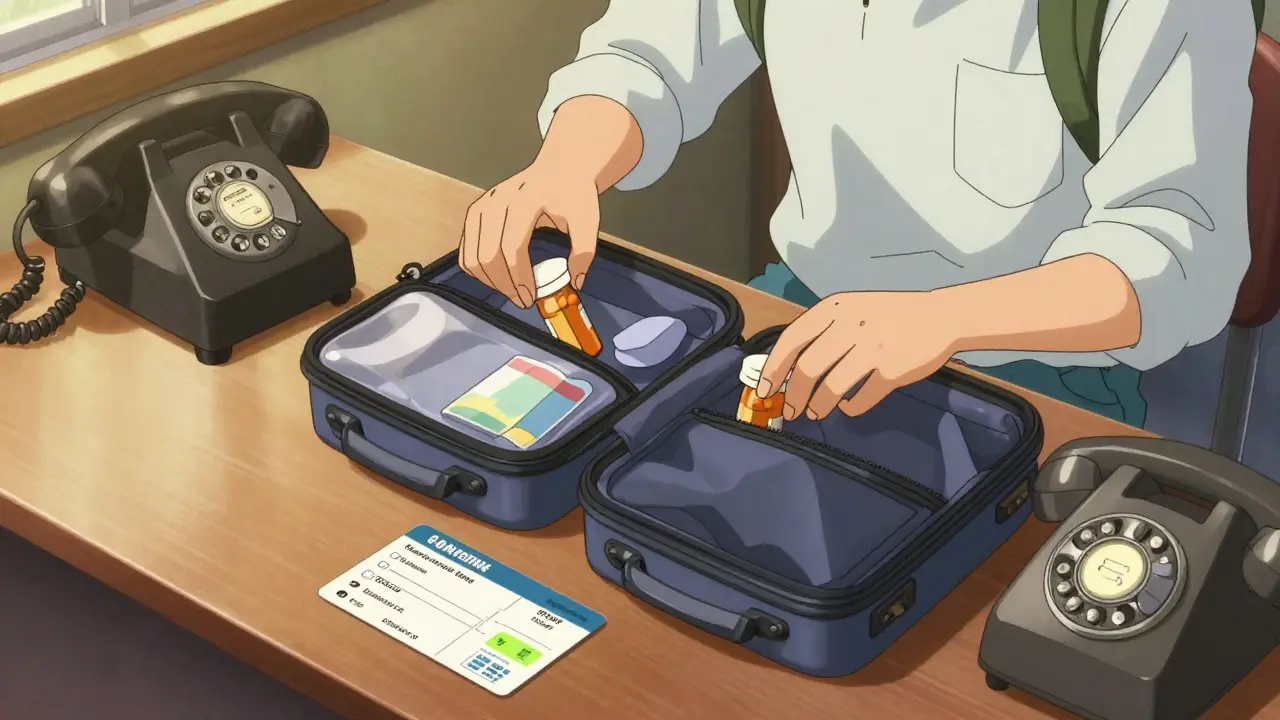
Running out of essential medication while thousands of miles from home is a traveler’s worst nightmare. It happens more often than you might think. In fact, studies show that treatment interruptions account for nearly a quarter of all travel-related hospitalizations. Whether you are managing a chronic condition or just need daily supplements, keeping your supply stocked requires more than just throwing pills in your bag. You need a strategy.
Managing medication refills during extended trips involves navigating insurance rules, understanding pharmacy laws, and preparing for the unexpected. This guide breaks down exactly how to keep your health on track, whether you are driving across state lines or flying to the other side of the world.
Understanding Insurance Vacation Overrides
The first step in any long trip is talking to your insurance provider. Most people don’t realize that their plan likely has a "vacation override" policy. This feature allows you to refill your prescription early without penalty when you have proof of travel.
Here is what the data tells us about these policies:
- UnitedHealthcare, Aetna, and Cigna typically allow 30-day prescriptions to be refilled 5 to 7 days before the next scheduled date.
- For 90-day supplies, the window usually opens 10 to 14 days early.
- About 92% of major U.S. insurance providers now offer standardized vacation overrides.
To use this benefit, you generally need to provide documentation. This could be a boarding pass, a hotel reservation, or a simple letter from your doctor stating your travel dates. Call your insurer at least two weeks before you leave. Ask specifically: "What is my vacation override window, and what proof do you need?" Getting this confirmed in writing saves headaches later.
Packing Smart: The Dual-Container Strategy
Never pack all your medication in one place. If your suitcase gets lost, stolen, or delayed, you are left with nothing. Experts recommend a dual-container strategy.
Split your supply into two bags. Keep one container in your carry-on luggage and the other in your checked bag or separate personal item. As Dr. Jennifer Schaefer from the American Pharmacists Association advises, if you lose one, you still have a backup. This simple habit protects you against airport chaos and theft.
When packing, follow these TSA guidelines:
- Medically necessary liquids (like insulin or liquid antibiotics) can exceed the standard 3.4-ounce limit.
- You must declare these items at security checkpoints.
- Keep medications in their original labeled bottles to avoid questions from agents.
Also, consider temperature sensitivity. Some medications degrade in heat or cold. Use insulated pouches for items like biologics or certain hormones. Check the drug insert or ask your pharmacist if your meds require specific storage conditions.
Navigating International Regulations
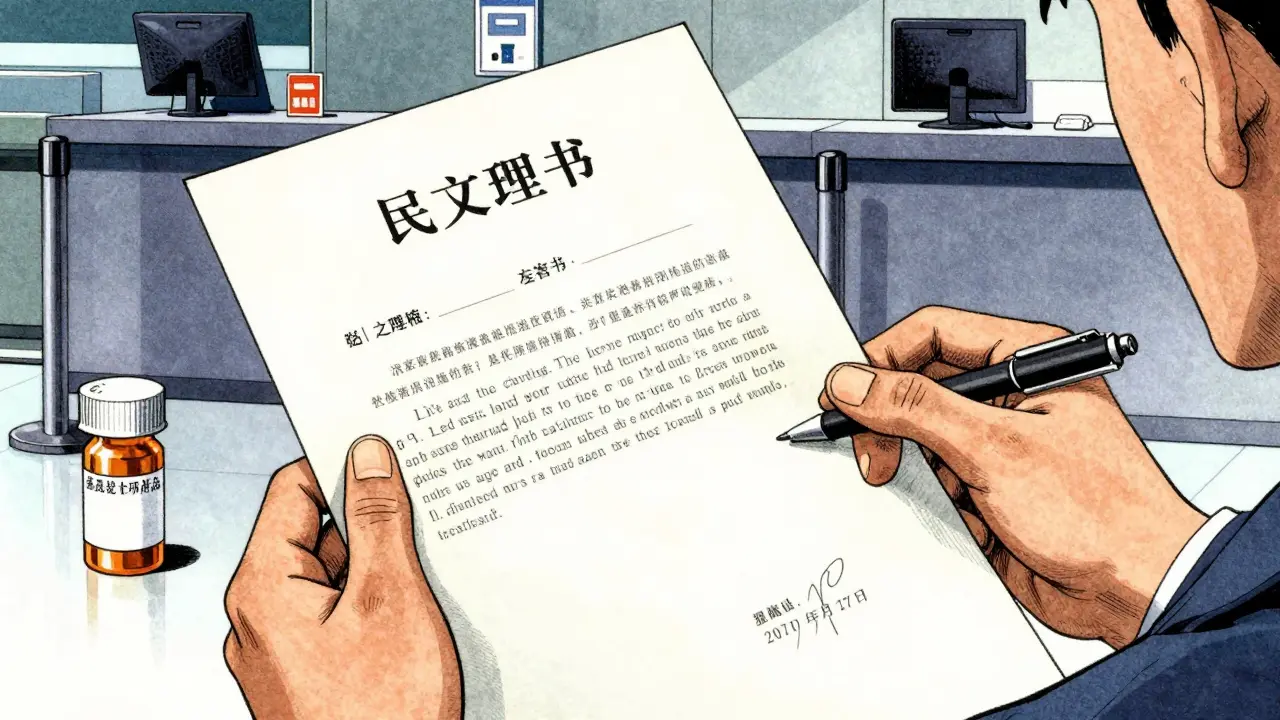
Traveling abroad adds a layer of complexity. Your U.S. prescription may not be recognized overseas, and some countries have strict limits on what you can bring in.
Before you book your flight, check the embassy website of every country you will visit, including layover destinations. Here are critical points to remember:
- Thailand and several other nations enforce strict quantity limits, such as a 30-day maximum for opioids.
- 78 countries require formal prescription documentation for entry.
- Controlled substances (like ADHD medications or strong painkillers) face the highest scrutiny.
Always carry a physician’s letter on official letterhead. This letter should list your diagnosis, the medication name, dosage, and the reason you need it. Have it notarized if possible. Carry copies of your actual prescriptions as well. Do not rely solely on digital copies; internet access isn’t guaranteed everywhere, and customs officers prefer physical paper.
| Feature | Domestic (U.S.) Travel | International Travel |
|---|---|---|
| Prescription Validity | Valid nationwide with ID | Often invalid; requires local doctor |
| Emergency Refills | Available via Kevin's Law (72-hour supply) | Rare; depends on local laws |
| Documentation Needed | Insurance card, ID | Physician letter, notarized copies, import permits |
| Controlled Substances | Strict but manageable | High risk of seizure/denial |
Handling Time Zone Changes
Crossing time zones can mess up your dosing schedule. Taking a pill too close together or waiting too long can cause side effects or reduce effectiveness. The American Medical Association suggests a simple rule: stick to your home time zone for the first 24 to 48 hours after arrival.
If you cross more than three time zones, calculate the shift carefully. For example, if you take medication every 8 hours, adjust gradually. Don’t try to switch instantly to the new local time unless your doctor approves. For once-daily medications, simply delay or advance the dose by an hour each day until you reach the new schedule. This minimizes jet lag impacts on your body chemistry.

Emergency Protocols and Backup Plans
Even with perfect planning, things go wrong. Pills get spilled, pharmacies are closed, or you forget a bottle. Knowing your emergency options is crucial.
In the United States, "Kevin's Law" (the Patient Right to Emergency Refill Act of 2019) helps in a pinch. If you have used 75% of your previous refill, pharmacists in many states can dispense a 72-hour emergency supply of chronic medications. This doesn’t apply to controlled substances, but it covers most heart, blood pressure, and thyroid drugs.
For international emergencies, telehealth is your best friend. Services like Teladoc or local clinic apps can connect you with a doctor who may issue a local prescription. However, success rates vary. Only 29% of travelers successfully obtain emergency refills internationally compared to 78% domestically. Always identify the nearest hospital or clinic upon arrival. Save their address and phone number in your phone.
If you are traveling within the U.S., national chains like CVS, Walgreens, and Rite Aid often have transfer services. If you run low, call a nearby branch. They can sometimes pull your record from another location and fill it immediately, especially if you explain the travel situation.
Pre-Travel Checklist
Start your medication planning 30 days before departure. Here is a quick checklist to ensure you are covered:
- Contact your insurance to confirm vacation override details.
- Request a 90-day supply if eligible (reduces refill frequency by 67%).
- Obtain a physician’s letter and notarize it for international trips.
- Check destination-specific medication bans (e.g., pseudoephedrine restrictions in Japan).
- Split medications between carry-on and checked bags.
- Download digital copies of prescriptions to your cloud storage.
- Identify pharmacies near your accommodation.
By taking these steps, you turn potential health crises into minor inconveniences. Preparation is the key to enjoying your trip without worrying about your health.
Can I get an early refill for my prescription while traveling?
Yes, most U.S. insurance plans offer a "vacation override" that allows early refills. Typically, you can refill a 30-day prescription 5-7 days early and a 90-day supply 10-14 days early. You usually need to provide proof of travel, such as a boarding pass or itinerary, to your pharmacy or insurer.
What documents do I need to carry medication internationally?
You should carry a physician’s letter on official letterhead detailing your diagnosis, medication names, dosages, and necessity. Additionally, keep medications in their original labeled containers. For controlled substances, check if the destination country requires an import permit or notarized copies of prescriptions.
How do I handle medication schedules when crossing time zones?
The American Medical Association recommends maintaining your home time zone schedule for the first 24-48 hours after arrival. If you cross more than three time zones, adjust your dosage times gradually by an hour each day until you align with the local time. Avoid doubling up doses unless directed by a doctor.
What is Kevin's Law and how does it help travelers?
Kevin's Law, or the Patient Right to Emergency Refill Act, allows pharmacists in many U.S. states to dispense a 72-hour emergency supply of chronic maintenance medications if you have consumed 75% of your previous refill. This applies to non-controlled substances and provides a safety net if you run out unexpectedly.
Can I bring liquid medications through airport security?
Yes, medically necessary liquids are exempt from the standard 3.4-ounce limit. You must declare them at the security checkpoint. TSA agents may inspect them separately, so keep them easily accessible in your carry-on bag. Ensure they are clearly labeled to speed up the process.