
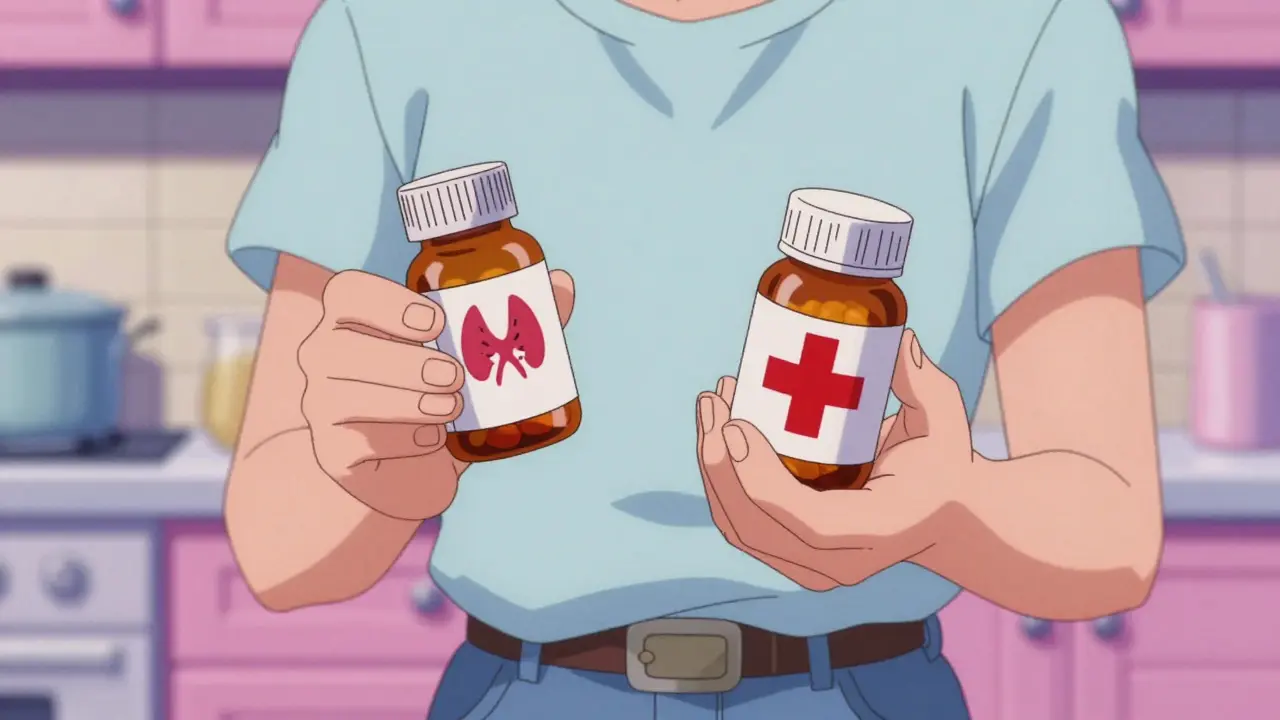
Levothyroxine & Iron Timing Planner
Calculate Your Schedule
Enter your preferred time for one medication to find the earliest safe time for the other.
Minimum 4 Hours Separation
--:--
AM*Ideally wait longer if possible to ensure complete gastric emptying.
Proven Scheduling Strategies
The Morning Split
- Levo: Upon Waking (e.g., 7 AM)
- Wait: 30-60 mins before breakfast
- Iron: Lunchtime (e.g., 12 PM)
Bedtime Switch
- Iron: Morning with Breakfast
- Levo: Bedtime (e.g., 10 PM)
- Ensure 3-4 hours after last meal
⚡ Quick Interaction Checker
Take your thyroid pill. Take your iron pill. Feel great? Think again. For millions of people managing hypothyroidism, this simple morning routine is a recipe for failure. The problem isn't the medicine itself; it's what happens when two essential treatments meet in your stomach. Iron and levothyroxinea synthetic form of thyroxine (T4) used to treat hypothyroidism are like oil and water that refuse to mix-but worse. They bind together into an insoluble complex that your body simply cannot absorb.
If you take them too close together, you might as well be flushing your thyroid medication down the toilet. Studies show that concurrent use can reduce levothyroxine bioavailability by up to 39%. That means nearly 40% of your dose never reaches your bloodstream. Your TSH levels creep up, fatigue returns, and you wonder why your dosage isn't working. The solution isn't more medication; it's better timing.
Why Iron Blocks Thyroid Medication Absorption
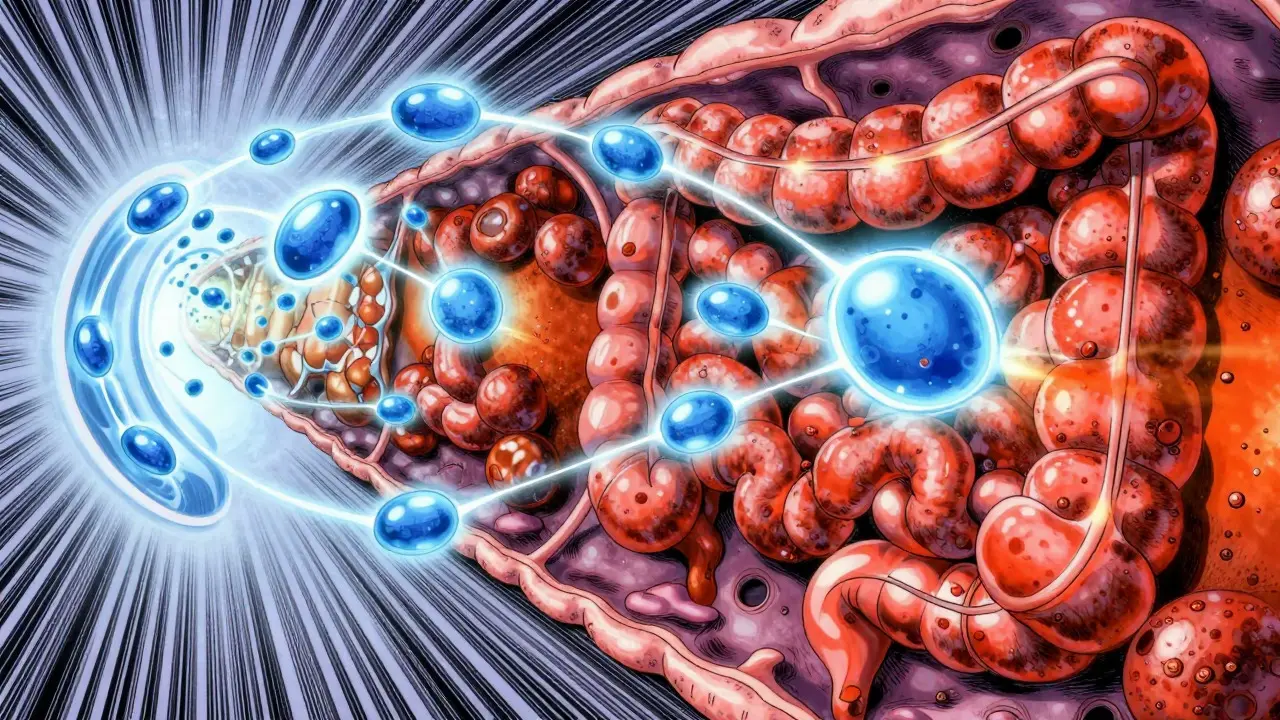
To understand the fix, you need to understand the mechanism. It’s not just a vague "interaction." It’s chemistry. Levothyroxine requires a specific environment to be absorbed: an empty stomach with low gastric pH (below 3.0). Iron supplements, particularly ferrous sulfate, contain di- and trivalent cations (Fe2+ and Fe3+). When these ions meet levothyroxine in the proximal small intestine, they undergo unspecific adsorption.
Think of it like a magnet grabbing metal shavings. The iron binds to the thyroid hormone, forming a large, heavy molecule that your intestinal walls can't process. This binding was first documented in medical literature in 1976, but we still see widespread non-adherence today. A 2025 clinical audit at North Cumbria Integrated Care NHS Trust found that 84% of patients were prescribed both medications simultaneously with no time interval. That is a staggering number of people fighting a losing battle against basic pharmacokinetics.
The irony? Both drugs need acid to work best. But when they share the same space, they sabotage each other. This creates a pharmacological paradox where taking both correctly-meaning separated in time-is the only way to ensure either works at all.
The Golden Rule: The 4-Hour Separation Window
So, how long do you wait? The answer from every major health authority is consistent: at least four hours.
- British National Formulary (BNF) 2024: Explicitly states separation by 'at least four hours.'
- NICE Guidelines (NG145): Specifies maintaining 'at least four hours between levothyroxine and ferrous sulfate tablets.'
- Synthroid Prescribing Information (AbbVie): Recommends 'at least 4 hours' before or after iron administration.
Some patient groups, like Thyroid UK, suggest a shorter 2-hour interval might suffice for some. However, the 4-hour standard exists for a reason. Gastrointestinal transit times vary wildly between individuals. What takes 2 hours for one person might take 6 for another. By sticking to the 4-hour rule, you create a safety margin that accounts for individual variability.
Data backs this up hard. A 2022 retrospective cohort study published in the Journal of General Internal Medicine compared patients who followed the 4-hour separation versus those who took meds concurrently. The result? Patients who separated their doses maintained TSH levels within the target range 89% of the time. Those who didn't? Only 62% stayed in range. That 27-point gap is the difference between feeling normal and feeling exhausted.
Practical Scheduling Strategies That Actually Work
Knowing the rule is easy. Living it is hard. Iron causes nausea in about 65-76% of users, which means you often have to take it with food. Levothyroxine must be taken on an empty stomach. This conflict is where most routines break down.
Here are three proven schedules based on expert recommendations and patient success stories:
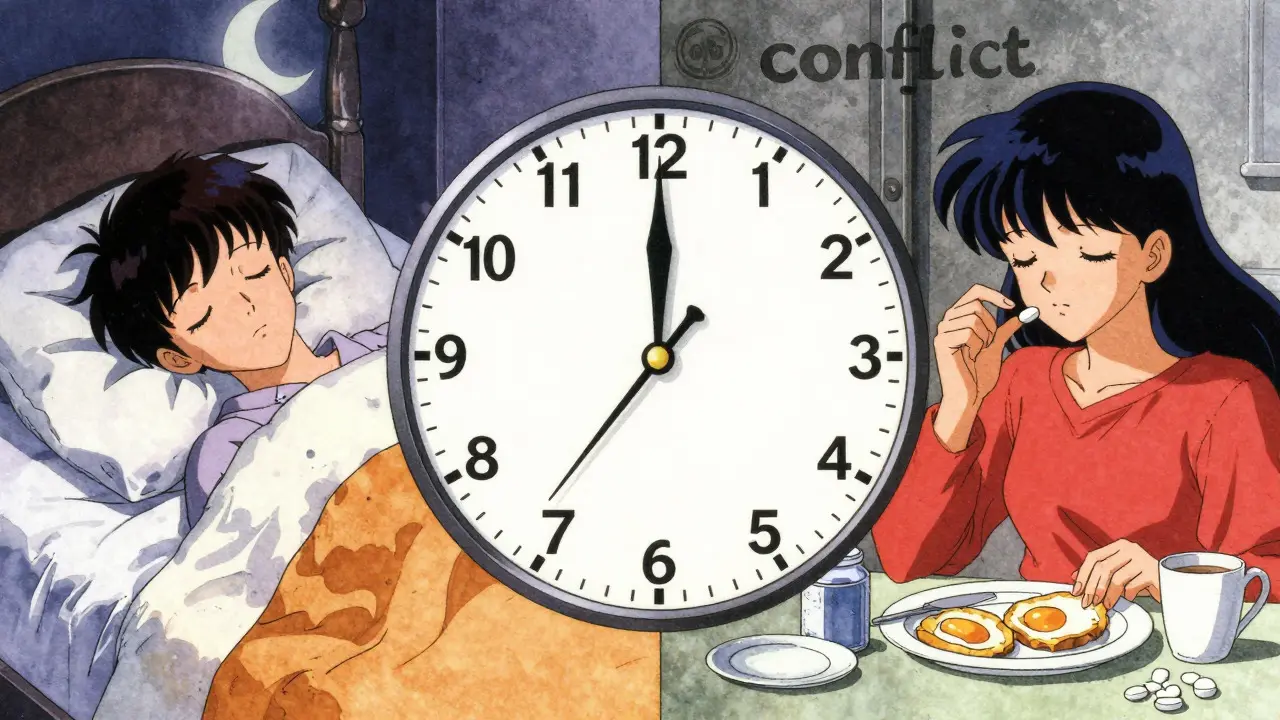
- The Morning Split: Take levothyroxine immediately upon waking with water. Wait at least 30-60 minutes before eating breakfast. Take your iron supplement at lunchtime (around 12:00 PM - 1:00 PM). This gives you a comfortable 5-6 hour window.
- The Bedtime Switch: If mornings are chaotic, flip the script. Take levothyroxine at bedtime, ensuring it has been at least 3-4 hours since your last meal. Take your iron in the morning with breakfast. Many users report this is easier because sleep acts as a natural buffer.
- The Vitamin C Boost: Pair your iron with vitamin C (like orange juice or a supplement). Vitamin C enhances iron absorption, potentially allowing you to tolerate lower doses or take it with less food, reducing the nausea that forces you to rush your timing.
A user on Reddit’s r/Thyroid community shared a winning strategy: "I set phone alarms for 7 AM (levothyroxine) and 11:30 AM (iron with vitamin C), and my TSH has been perfect for 2 years." Consistency beats perfection here. Pick a schedule and stick to it.
| Strategy | Levothyroxine Time | Iron Time | Pros | Cons |
|---|---|---|---|---|
| Morning Split | Upon Waking (e.g., 7 AM) | Lunch (e.g., 12 PM) | Aligns with natural fasting state; high adherence potential | Requires waiting before breakfast; may disrupt morning routine |
| Bedtime Levo | Bedtime (e.g., 10 PM) | Morning (e.g., 8 AM) | No morning rush; leverages sleep as buffer | Must ensure 3-4 hours post-dinner; risk of forgetting at night |
| Extended Interval | Any Time | +6 Hours Later | Best for sensitive GI systems (celiac/IBD) | Difficult to fit into daily schedule; high inconvenience |
Special Considerations: Gut Health and Dosage Adjustments
Not all digestive systems are created equal. If you have conditions like celiac disease, inflammatory bowel disease (IBD), or have had gastric bypass surgery, your gut transit time is altered. In these cases, the standard 4-hour window might not be enough. The American Association of Clinical Endocrinologists suggests extending the interval to 6 hours or more for patients with significant gastrointestinal disorders.
Also, don't forget the monitoring step. Even with perfect timing, starting iron therapy can sometimes necessitate a levothyroxine dose adjustment. Dr. Kenneth Burman, Chief of Endocrinology at MedStar Washington Hospital Center, notes that patients should have their TSH monitored 6-8 weeks after starting iron supplementation. Why? Because if you've been under-absorbing your thyroid med for months due to poor timing, suddenly fixing the timing might spike your hormone levels. Your doctor needs to catch that shift.
Future Solutions and Current Limitations
We are seeing innovation in this space. Companies like PharmacoLever are testing chelated iron formulations (such as 'ThyroSafe Iron') that show significantly reduced binding potential in early trials. Digital health tools are also stepping in; Epic Systems implemented alerts in 2024 to flag concurrent prescribing, forcing doctors to justify simultaneous prescriptions.
However, until these new formulations become widely available, the burden remains on the patient. The technology hasn't replaced the clock yet. You still need to manage the timeline manually.
Can I take levothyroxine and iron at the same time if I eat food?
No. Food does not prevent the chemical binding between iron and levothyroxine in the gut. While food slows gastric emptying, it does not stop the formation of the insoluble complex. In fact, food can further reduce levothyroxine absorption independently. You must separate the doses by at least 4 hours regardless of food intake.
Does this interaction apply to all types of iron supplements?
Yes, but the severity varies. Ferrous sulfate causes the strongest interaction. Ferrous gluconate demonstrates slightly less interference, but still requires separation. Chelated iron forms (like bisglycinate) may have different absorption profiles, but current guidelines recommend treating all oral iron supplements as interacting agents unless specified otherwise by your endocrinologist.
How long does it take for TSH levels to stabilize after changing timing?
It typically takes 6-8 weeks for TSH levels to fully reflect changes in medication absorption. Levothyroxine has a half-life of about 7 days, so it takes roughly 5-6 half-lives to reach a new steady state. Do not adjust your dose yourself during this period; wait for your blood test results.
What if I accidentally take them together?
Don't panic. One missed or poorly absorbed dose won't cause immediate harm. Just resume your correct schedule the next day. If this happens frequently, consider switching to the bedtime levothyroxine strategy or using alarm apps to reinforce the 4-hour gap. Monitor for symptoms of hypothyroidism like fatigue or cold intolerance.
Are there other supplements that interact with levothyroxine?
Yes. Calcium carbonate, magnesium, aluminum-containing antacids, and even high-fiber supplements can bind to levothyroxine. Coffee and soy products can also reduce absorption. All of these should generally be separated from levothyroxine by at least 4 hours, following the same principle as iron.