

You feel that familiar scratch in your throat and the pressure building behind your eyes. It’s time for the pharmacy run. You grab a box of DayQuil, a popular daytime cold relief product from Procter & Gamble because you need energy, but you also have a pounding headache, so you pop two regular Tylenol tablets containing acetaminophen just before bed. By morning, you might not just be hungover from the flu-you could be facing serious liver damage. This isn’t a hypothetical nightmare; it is a common reality for thousands of people every winter.
The convenience of multi-symptom cold remedies comes with a hidden trap. These combination products are designed to treat fever, congestion, cough, and pain all at once. But when you layer them on top of other medications or even different brands of the same type, you risk unintentionally overdosing on specific ingredients. The most dangerous culprit? Acetaminophen. According to the American Association of Poison Control Centers’ 2022 annual report, there were 14,237 documented cases of acetaminophen overdose linked specifically to cold and flu medication misuse. That represents 12% of all medication-related poison control calls involving over-the-counter (OTC) products. The good news is that this danger is entirely preventable if you know what to look for.
Understanding the Hidden Ingredients in Combination Medications
To stay safe, you first need to understand what is actually inside those colorful boxes. OTC cold and flu combination medications typically contain standardized dosages of active ingredients targeting particular symptoms. For example, a typical daytime formulation like Theraflu ExpressMax includes phenylephrine (10mg), a nasal decongestant, without significant sedatives so you can keep working. Nighttime products like NyQuil contain doxylamine succinate (12.5mg), an antihistamine that causes drowsiness to help you sleep.
Here is where things get tricky. Many of these products share the same core ingredients. Both DayQuil and NyQuil contain acetaminophen as a pain reliever and fever reducer. Advil Multi-Symptom Cold & Flu contains ibuprofen instead, along with phenylephrine and chlorpheniramine maleate. If you take Advil for your body aches and then switch to Tylenol Cold & Flu later in the day because the first one didn't work, you aren't necessarily doubling up on painkillers-but if you take Tylenol Cold & Flu alongside regular Tylenol, you are. The FDA requires all OTC products to list active ingredients in milligrams under the 'Drug Facts' label, mandated by regulations established in 2009. However, the sheer volume of information on these labels often leads to consumers missing critical details.
| Ingredient | Primary Function | Common Brand Examples | Risk of Overdose |
|---|---|---|---|
| Acetaminophen | Pain reliever / Fever reducer | Tylenol, DayQuil, Theraflu | High (Liver damage) |
| Ibuprofen | Pain reliever / Anti-inflammatory | Advil, Motrin | Moderate (Stomach bleeding) |
| Phenylephrine | Nasal decongestant | Sudafed PE, DayQuil | Moderate (High blood pressure) |
| Dextromethorphan | Cough suppressant | Delsym, Robitussin DM | Low to Moderate (Dizziness) |
| Doxylamine Succinate | Sedating antihistamine | NyQuil, Unisom | Moderate (Next-day drowsiness) |
The Convenience Trap: Why We Choose Combination Products
Why do we keep buying these multi-ingredient bottles if they carry such risks? The answer lies in human behavior and marketing. Combination products dominate retail sales, with Vicks DayQuil/NyQuil capturing 28.7% of the $3.2 billion OTC cold and flu market according to Nicholas Hall's 2022 CHC sales database. They promise an "all-in-one" solution. Who wants to sort through three different pill bottles when you’re feeling miserable?
This convenience factor is powerful. A 2023 Consumer Reports survey indicated that 68% of adults aged 18-34 prefer combination products over single-ingredient options. One Amazon reviewer of Theraflu noted, "It's great that I don't need to take 3 different medicines when I'm sick." But this convenience comes at a cost. When you only have a cough and a runny nose, taking a product that also treats fever and sinus pain exposes you to unnecessary side effects. Phenylephrine, for instance, may cause hypertension in susceptible individuals, while antihistamines can lead to grogginess the next day.
Medical experts are increasingly pushing back against this trend. A 2022 Pharmacy Times survey of 1,200 pharmacists found that 68% recommended single-ingredient products over combination medications for patients with specific symptoms. Dr. Sarah Ketchen, a board-certified family physician, stated in a 2023 WebMD interview that "approximately 65% of patients don't realize acetaminophen is in multiple cold medications, putting them at risk for liver damage when they take more than one product." The shift toward single-ingredient solutions is already happening, with sales of standalone acetaminophen increasing 12.7% year-over-year while combination cold medicine sales grew only 2.3%, according to IQVIA's January 2024 OTC Market Report.
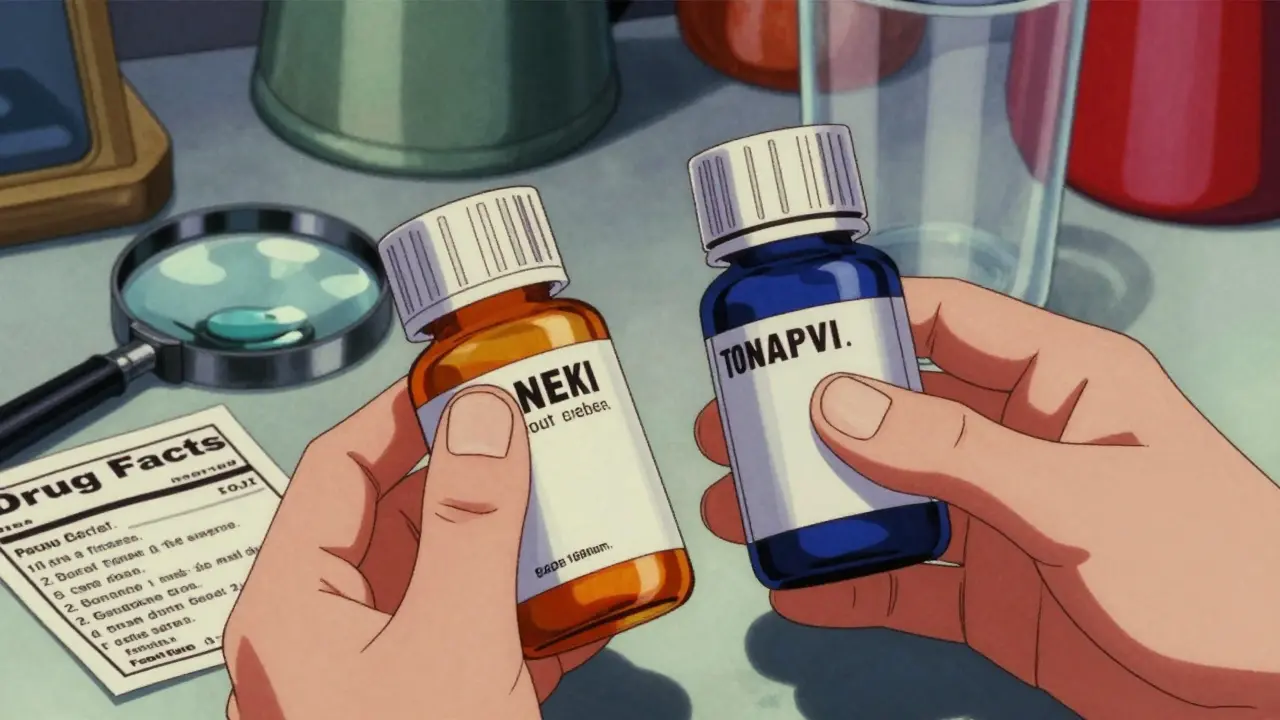
How to Read the Drug Facts Label Correctly
Avoiding double dosing starts with spending just 2-3 minutes reading the 'Drug Facts' label on each OTC product before use. Pharmacists at major chains like CVS and Walgreens report that proper medication review takes 5-7 minutes during peak cold season consultations. Here is how to do it effectively:
- Look for the 'Active Ingredients' section: This is the most important part of the label. Ignore the marketing claims on the front of the box. Look for the list of chemicals.
- Identify Acetaminophen: It might be listed as "acetaminophen," "APAP," or sometimes "paracetamol" on imported products. If you see any of these, note the milligram amount.
- Check for Decongestants: Look for "phenylephrine" or "pseudoephedrine." Do not take two products containing these simultaneously unless directed by a doctor, as it can spike your blood pressure.
- Note the Dosage Frequency: Pay attention to how often you can take the dose. DayQuil recommends doses every 4 hours (maximum 6 doses/24 hours), while NyQuil suggests every 6 hours (maximum 4 doses/24 hours). Mixing these schedules can lead to accidental accumulation of ingredients.
A common challenge is confusion between similar-sounding ingredients. For example, diphenhydramine (found in Benadryl) and doxylamine (found in NyQuil) both cause sedation but have different durations and potencies. Taking both can result in severe next-day impairment. The FDA’s Center for Drug Evaluation and Research has issued multiple consumer updates since 2011 warning that exceeding 4,000mg of acetaminophen in 24 hours can cause acute liver failure-a threshold easily exceeded when combining products.
Real-Life Scenarios: When Things Go Wrong
Let’s look at real user experiences to understand how easy it is to slip up. On the r/Pharmacy subreddit, multiple pharmacists reported patients presenting with elevated liver enzymes after combining Tylenol Cold & Flu (containing 325mg acetaminophen per caplet) with regular Tylenol for headache relief. In another case, a Drugs.com reviewer of NyQuil Severe reported "severe drowsiness the next day because I didn't realize doxylamine would last so long."
These aren't isolated incidents. Statistics from Consumer Reports' 2023 OTC medication survey indicate that 41% of adults have accidentally double-dosed on cold medication ingredients, with acetaminophen being the most common cause (68% of double-dosing cases). The Institute for Safe Medication Practices estimates that 15,000-20,000 acetaminophen-related liver injuries occur annually from OTC cold medicine misuse alone.
The problem is often compounded by a lack of awareness about ingredient names. Many consumers don't realize that "DM" stands for dextromethorphan, a cough suppressant. If you take a standalone dextromethorphan syrup and then drink a cup of DayQuil, you've doubled your dose of that ingredient. While dextromethorphan overdose is less immediately life-threatening than acetaminophen toxicity, it can still cause significant dizziness, nausea, and confusion.

Practical Steps to Stay Safe This Season
You don't need to become a pharmacist to stay safe, but you do need to adopt a few simple habits. First, consider switching to single-ingredient medications whenever possible. If you only have a fever, take plain acetaminophen or ibuprofen. If you only have a cough, take a standalone cough suppressant. This approach eliminates the risk of ingesting unnecessary ingredients.
If you must use combination products, create a "medication log." Write down exactly what you took and when. Use tools available to you. The American Pharmacists Association provides a free 'Medication Checkup' tool that identifies 92% of potential double-dosing scenarios according to their 2023 validation study. It takes about 8-10 minutes to complete but can save you a trip to the emergency room.
Keep your poison control number handy. The national hotline is 1-800-222-1222. They handled 14,237 acetaminophen-related calls in 2022. If you suspect you’ve taken too much, call them immediately. Don't wait for symptoms to appear. Liver damage from acetaminophen can be silent in its early stages.
Finally, talk to your pharmacist. Community pharmacists are highly trained resources. An American Pharmacists Association survey found that 87% of community pharmacists counsel patients on avoiding double dosing during cold and flu season. Ask them to check your current medications against any new OTC products you plan to buy. It’s a quick conversation that could prevent a serious health crisis.
The Future of Cold Medicine Safety
The regulatory landscape is shifting. The FDA’s November 8, 2024 proposed order aims to remove oral phenylephrine from the OTC monograph due to decades of research questioning its efficacy at standard 10mg doses. This follows a 2022 FDA advisory committee vote where 17 of 18 members concluded it was ineffective. Major manufacturers are already preparing alternatives, with Johnson & Johnson testing formulations containing guaifenesin as a primary substitute.
Industry analysts predict that combination cold medicines will remain on the market but with reduced ingredient counts. Cowen & Company's healthcare analysts report that 78% of surveyed industry experts expect products to contain no more than three active ingredients within five years, down from the current average of 4.2. This simplification should make labeling easier to read and reduce the complexity of potential interactions.
In the meantime, the responsibility remains largely on the consumer. Google Trends data shows a 47% year-over-year increase in searches for 'cold medicine ingredients' from January 2023 to January 2024, suggesting growing public awareness. By taking a few extra minutes to read labels and choosing single-ingredient treatments when appropriate, you can safely manage your cold symptoms without risking your long-term health.
Can I take Tylenol and DayQuil together?
No, you should not take Tylenol and DayQuil together unless explicitly directed by a healthcare provider. Both medications contain acetaminophen. Combining them can easily exceed the safe daily limit of 4,000mg of acetaminophen, leading to severe liver damage. Always check the 'Active Ingredients' list on both bottles.
What is the safest way to treat multiple cold symptoms?
The safest approach is to use single-ingredient medications for each specific symptom. For example, use plain acetaminophen for fever, pseudoephedrine for congestion, and dextromethorphan for cough. This allows you to target your symptoms precisely without ingesting unnecessary ingredients that could interact with other medications.
How do I know if I have double-dosed on acetaminophen?
Early signs of acetaminophen overdose may include nausea, vomiting, loss of appetite, and sweating. However, these symptoms can be mild or absent initially. The most reliable way to know is to track your total intake. If you have taken more than 4,000mg in 24 hours, contact poison control (1-800-222-1222) or seek medical attention immediately, even if you feel fine.
Is phenylephrine effective for congestion?
Recent studies and FDA advisory committees have questioned the effectiveness of oral phenylephrine at standard OTC doses (10mg). Many experts now believe it is ineffective compared to placebo. Pseudoephedrine, which is kept behind the pharmacy counter due to methamphetamine production concerns, is generally considered more effective for nasal congestion.
Why do combination cold medicines exist if they are risky?
Combination medicines were developed for convenience, allowing consumers to treat multiple symptoms with one product. They remain popular due to marketing and consumer preference for simplicity. However, medical professionals increasingly recommend single-ingredient options to minimize the risk of side effects and accidental overdose.