

Side Effect Reporting Impact Calculator
This tool demonstrates how many side effects might go unreported and why your report matters. Based on the article's statistics, only 1-10% of serious adverse reactions are reported. Enter your own numbers to see the impact.
Results
Enter values to see how many side effects might be unreported.
Why This Matters
Only 1-10% of serious side effects get reported. This calculator shows how many cases might go undetected. If you see something unusual after starting a new medication, report it! Your report could help identify risks that would otherwise go unnoticed. In the U.S., the FDA receives over 2 million reports annually, but this is still only a small fraction of actual adverse events.
Every year, millions of people take new prescription drugs. They work. They help. But sometimes, something unexpected happens - a rash, a dizzy spell, a heart rhythm that shouldn’t be there. These aren’t random accidents. They’re signals. And behind every one of them is a quiet, massive system working to catch what clinical trials missed: post-marketing pharmacovigilance.
Why Clinical Trials Aren’t Enough
Before a drug hits the market, it goes through clinical trials. These are tightly controlled. Participants are carefully selected. Most are healthy adults, with few other illnesses. They’re monitored closely. Doses are fixed. Side effects are recorded - but only the ones that show up in a few thousand people over months, not years. That’s not real life. In the real world, someone might be taking five other medications. They might have kidney disease, diabetes, or be over 70. They might skip doses. They might drink alcohol. They might be genetically predisposed to react badly. These factors don’t show up in trials. And that’s where the real danger hides. Take Vioxx. Approved in 1999 after testing on about 5,000 people. It was a popular painkiller. But when it was used by over 80 million people, the data showed something terrifying: a nearly two-fold increase in heart attacks. It was pulled from the market in 2004. That’s post-marketing pharmacovigilance at work - finding the needle in a haystack only after the haystack became a mountain.How the System Actually Works
There’s no single magic tool. It’s a network of systems, all feeding into a global safety net. First, there’s spontaneous reporting. Doctors, pharmacists, nurses, and even patients can report side effects. In the U.S., the FDA runs MedWatch. In the UK, it’s the Yellow Card Scheme. In Europe, it’s EudraVigilance. These systems collect hundreds of thousands of reports every year. In 2023, the FDA received over 2 million reports. The EU system handled nearly 30 million since 2005. But here’s the catch: most side effects go unreported. Studies estimate only 1% to 10% of serious reactions make it into these systems. Why? Time. Confusion. Fear of blame. A 2022 survey found physicians spent an average of 22 minutes filling out one report. Many just don’t have the bandwidth. That’s where active surveillance comes in. Instead of waiting for reports, systems like the FDA’s Sentinel Initiative actively dig through electronic health records. Sentinel pulls data from over 300 million patient records across hospitals, clinics, and insurers. It looks for patterns: Did more people on Drug X get liver failure in the past three months? Did a spike in dizziness show up after a new batch of pills was distributed? Then there’s record linkage. In countries like the UK and Sweden, health databases are connected. A patient’s prescription history, hospital visits, lab results, and death records are matched anonymously. If someone gets a new drug and then ends up in the ER with a rare reaction, the system can spot the link - even if no one filed a report. And now, AI is stepping in. The FDA’s Sentinel 3.0, launched in 2023, uses natural language processing to scan doctor’s notes, discharge summaries, and even patient portals. It finds phrases like “patient developed severe rash after starting drug” and flags them automatically. It’s 73% faster than older methods.Who’s Responsible? And Who’s Missing?
The law says drug companies must monitor their own products. Every company with a marketed drug has a pharmacovigilance department. They’re required to submit quarterly safety reports for the first two years after launch, then annually. They must investigate every report. If something looks dangerous, they have to notify regulators - and sometimes change the drug’s label or even pull it. But not all companies have the same resources. Big pharma might have 60 staff working on safety. A small biotech? Maybe three. That’s a problem. In 2023, Deloitte found only 43% of small biotech firms had fully functional systems. Regulators aren’t just waiting for reports. They demand Risk Management Plans - RMPs. These are legally binding documents. For high-risk drugs like thalidomide (yes, that thalidomide), they require special patient education, mandatory pregnancy tests, and restricted distribution. Over 90% of new drugs approved between 2015 and 2020 had at least one such requirement. But here’s the gap: patients don’t know they can report. A 2021 FDA survey found only 12% of patients had ever heard of MedWatch. And when they do try to report, many get lost in bureaucracy. One Reddit user wrote: “I tried to report my daughter’s reaction to her new epilepsy drug. Took three calls, two forms, and a week. Felt like I was doing something wrong.”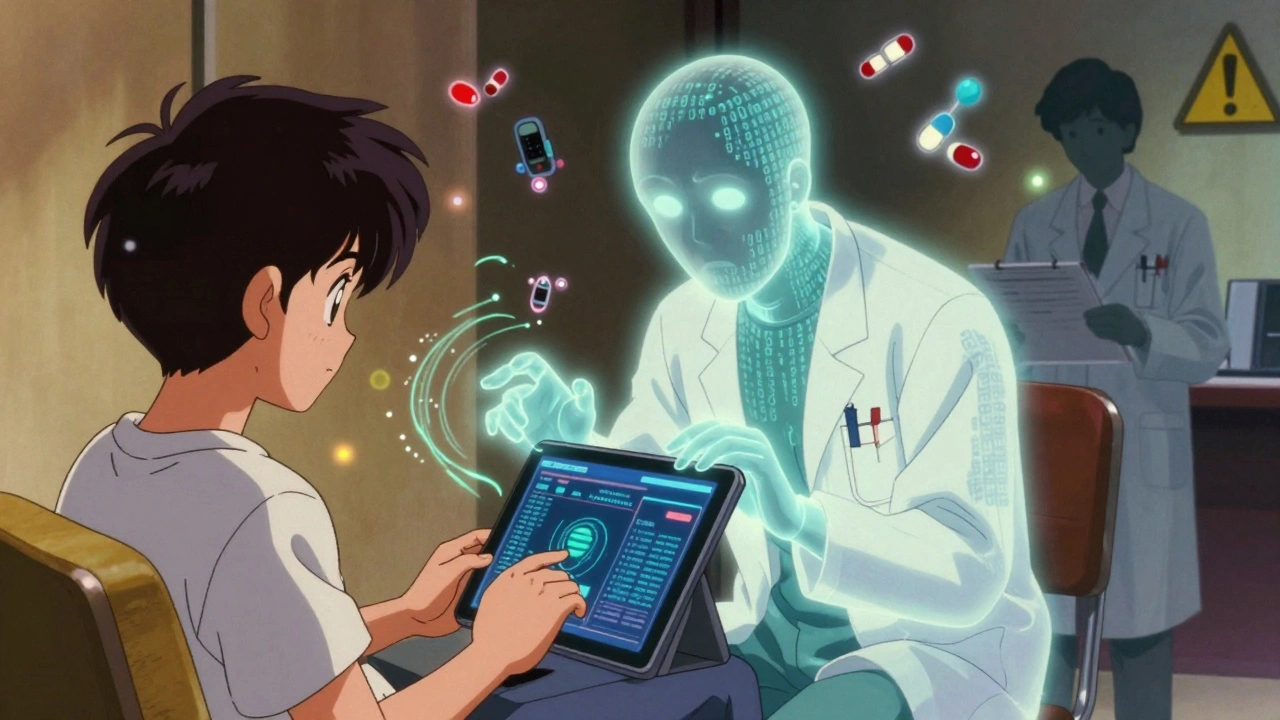
Global Differences - Who Does It Best?
Not all countries do this the same way. The U.S. leans on passive reporting (MedWatch) but has the most powerful active system (Sentinel). The EU has a unified database (EudraVigilance) and strict rules called GVP - but implementation varies wildly between Germany and Greece. Japan requires mandatory 4- to 10-year reexamination periods for all new drugs. The UK’s Yellow Card Scheme, started in 1964, is the oldest in the world - and still going strong, with 87,000 reports in 2022. The real winner? Integration. When data flows between systems - when a pharmacist’s report links to a hospital’s EHR, which links to a national death registry - that’s when you catch the rare, delayed, or genetic reactions. Take carbamazepine, a seizure drug. In Southeast Asia, some people carry a gene variant called HLA-B*15:02. If they take carbamazepine, they’re at risk of a deadly skin reaction called Stevens-Johnson syndrome. In 2007, Thailand started screening for the gene before prescribing. Result? A 95% drop in cases. That’s not luck. That’s pharmacovigilance meeting genetics.What’s Next? The Future of Drug Safety
The system is evolving - fast. Wearables are now part of the equation. Apple partnered with Pfizer in 2023 to monitor atrial fibrillation in people taking new heart drugs. If a smartwatch detects irregular rhythms, the data flows into safety databases. No doctor visit needed. Blockchain is being tested to secure data sharing. Novartis and Roche are piloting a system called MedLedger that ensures reports can’t be altered or lost. Early results show 99.8% data integrity. AI is getting smarter. IBM Watson Health’s 2023 model analyzed social media posts about side effects and predicted adverse reactions with 87.4% accuracy. It found reports of suicidal thoughts linked to a new antidepressant - months before the FDA got a single formal report. By 2030, real-world data from these systems could influence 65% of regulatory decisions - up from just 28% in 2022. That means fewer drugs get pulled after years of harm. More drugs get safer labels. More people live longer, healthier lives.
What You Can Do
You don’t need to be a doctor to help. If you notice something unusual after starting a new medication - a strange fatigue, a rash, trouble breathing - don’t ignore it. Talk to your pharmacist or doctor. Ask: “Could this be related?” And if you’re comfortable, report it. In the U.S., go to fda.gov/medwatch. In the UK, use the Yellow Card app. It takes five minutes. You’re not blaming anyone. You’re helping. Because the truth is, the system only works if people speak up. No algorithm can replace a patient who says, “This didn’t happen to me before I took this pill.”What Happens After a Signal Is Found?
Finding a signal is just the start. The real work begins after. Once a potential safety issue is flagged - say, a cluster of liver injuries in people taking Drug Y - regulators run a deep analysis. Is it random? Or is there a pattern? They look at age, gender, dosage, other drugs taken, genetics, even time of year. If the signal holds, they issue a warning. That might mean updating the drug label to say “May cause severe liver damage.” Or requiring a black box warning - the strongest type. Sometimes, they add a requirement: “Test liver function before starting.” In extreme cases - like Vioxx, or the diabetes drug Avandia - the drug is pulled entirely. That’s rare. But it happens. The process is slow. It’s messy. But it’s designed to be cautious. One false alarm can scare people away from life-saving drugs. One missed signal can kill.Why This Matters to You
You might think: “I’m not a doctor. I don’t work in pharma. This doesn’t affect me.” It does. Every drug you take - whether it’s a new antidepressant, a cholesterol pill, or a generic antibiotic - went through this system. The side effects you see on the label? They weren’t guessed. They were found. By someone reporting a rash. By a computer spotting a trend in 300 million records. By a pharmacist noticing three patients with the same problem in one week. And next year? The next drug you’re prescribed? It’ll go through the same process. The more we all pay attention, the safer those drugs become. This isn’t about fear. It’s about trust. Trust that someone is watching. Trust that your voice matters. Trust that the system, flawed as it is, is trying to keep you alive.What is post-marketing pharmacovigilance?
Post-marketing pharmacovigilance is the ongoing monitoring of drug safety after a medication has been approved and is being used by the general public. It’s designed to find rare or long-term side effects that didn’t show up in clinical trials, which typically involve only a few thousand people over a short period.
How are side effects reported after a drug is on the market?
Side effects are reported through spontaneous reporting systems like the FDA’s MedWatch or the UK’s Yellow Card Scheme. Healthcare professionals and patients can submit reports. In addition, active surveillance systems like the FDA’s Sentinel Initiative analyze electronic health records from millions of patients to detect patterns automatically.
Why do some side effects take years to be discovered?
Clinical trials are too small and too short to catch rare reactions or those that only appear after long-term use. For example, a side effect might affect only 1 in 10,000 people - impossible to spot in a trial of 5,000 patients. Also, interactions with other medications or underlying health conditions only become visible when the drug is used by diverse populations over time.
Can patients report side effects themselves?
Yes. Patients can and should report side effects. In the U.S., reports can be filed at fda.gov/medwatch. In the UK, the Yellow Card app makes it easy. Even if you’re unsure whether the reaction is related, it’s better to report it. Regulators analyze all reports to spot trends.
What happens when a dangerous side effect is confirmed?
Regulators can update the drug’s label to include new warnings, require doctors to perform specific tests before prescribing, restrict who can receive the drug, or, in rare cases, remove it from the market entirely. The decision is based on how common the risk is, how severe the outcome, and whether the benefits still outweigh the risks.
Kyle Flores
December 7, 2025 AT 21:25Just had to report a weird rash after starting that new blood pressure med. Took me 10 minutes on MedWatch. Felt like I was doing the right thing. Hope it helps someone down the line.
Ryan Sullivan
December 8, 2025 AT 13:54The entire pharmacovigilance infrastructure is a glorified band-aid on a hemorrhaging system. Regulatory agencies are reactive, not proactive. The FDA’s Sentinel Initiative is a $500M PR stunt masking the fact that we’re still relying on voluntary, error-prone, under-resourced reporting. If you think this is ‘safety,’ you’re delusional.
Jennifer Anderson
December 10, 2025 AT 03:05i’ve been a nurse for 18 years and i’ve seen so many side effects get ignored because ‘it’s probably just anxiety’ or ‘not in the trials.’ patients need to know: if something feels off, it probably is. don’t second-guess yourself. report it. even if it’s ‘just’ fatigue or brain fog. it matters.
Oliver Damon
December 11, 2025 AT 22:08The fundamental paradox of pharmacovigilance is that the system designed to protect us is structurally incentivized to be slow, fragmented, and underfunded. We prioritize speed of approval over depth of surveillance. AI can scan millions of records, but it can’t replace the human intuition of a pharmacist who notices three patients with the same rare symptom in a week. The real innovation isn’t in the tech-it’s in cultural normalization of reporting. We need to treat adverse event reporting like voting: not optional, not heroic, just civic duty.
Louis Llaine
December 13, 2025 AT 10:53So we spend billions tracking rashes but can’t fix the fact that 40% of prescriptions are never filled? Cool. Real progress.
Jane Quitain
December 14, 2025 AT 08:35you guys are amazing. seriously. just reporting something could save a life. i know it feels small, but it’s not. you’re part of the safety net. thank you for speaking up. 💪❤️
Sam Mathew Cheriyan
December 16, 2025 AT 02:24lol you really think the FDA gives a crap? Big Pharma owns them. They let Vioxx kill people on purpose so they could make more money. The ‘system’ is a lie. They only pull drugs when the lawsuits get too loud. I’ve seen it. They’re not protecting you. They’re protecting profits.
Ernie Blevins
December 16, 2025 AT 19:42So what? People die. It’s capitalism. You want safe drugs? Don’t take them.
Ted Rosenwasser
December 17, 2025 AT 04:15AI-driven NLP in pharmacovigilance? Groundbreaking. But let’s be real-this is still 2024, and we’re using 1960s-era Yellow Card systems as our primary data source. The irony is palatable. I mean, really? We have blockchain pilots and wearable integrations, yet the average clinician still prints out a PDF form to fax in a report? The system is a museum exhibit masquerading as a modern infrastructure. Someone needs to burn it down and start over.