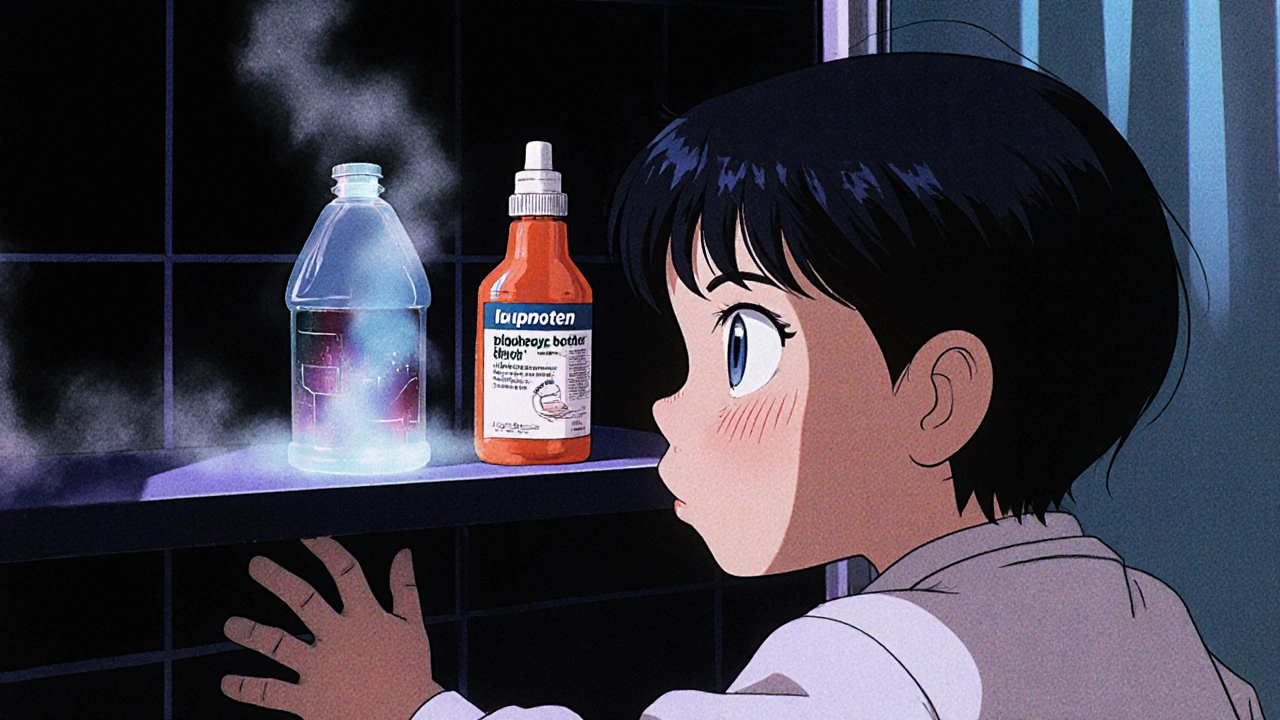
Poison Prevention: How to Keep Your Home Safe from Toxic Substances
When we think of poison prevention, the actions taken to avoid accidental exposure to harmful substances in homes, workplaces, or public spaces. Also known as toxic exposure control, it's not just about keeping chemicals out of reach—it's about understanding how everyday items like medications, cleaners, and even supplements can turn dangerous without proper handling. Every year, hundreds of thousands of poisonings happen in U.S. homes, and most are avoidable. It’s not always the obvious stuff—like antifreeze or rat poison—that causes trouble. Often, it’s a forgotten bottle of pills, a mislabeled cleaner, or a child grabbing something that looks like candy.
medication storage, the practice of keeping drugs in secure, labeled, and child-resistant containers away from heat and moisture. Also known as pharmaceutical safety, it’s one of the most overlooked parts of poison prevention. Think about it: your painkiller, your blood pressure pill, your child’s ADHD med—these aren’t just medicine. They’re potential toxins if left on a counter, in a purse, or in an unlocked cabinet. The FDA and CDC both warn that accidental ingestion is the top cause of poisoning in kids under six. But adults aren’t safe either. Mixing alcohol with opioids, as highlighted in our posts, can be deadly even in small doses. And don’t forget drug interactions—like azole antifungals boosting statin levels and causing muscle damage. These aren’t rare cases. They’re preventable. Then there’s household toxins, common cleaning agents, pesticides, and personal care products that become hazardous when misused or stored improperly. Also known as domestic chemical risks, these include things like bleach mixed with ammonia, button batteries swallowed by toddlers, or lead in old paint. Many people don’t realize that even some "natural" cleaners or essential oils can be toxic if ingested.
childproofing, the process of modifying your home environment to reduce risks to young children from poisoning, falls, and other accidents. Also known as home safety modifications, it’s not just about locks and latches. It’s about changing habits. Store all meds in one locked place, not scattered in bathrooms and nightstands. Keep cleaners under the sink with a child lock, not just behind a flimsy door. Use original containers—never transfer pills to snack jars or drink bottles. These aren’t suggestions. They’re lifesaving steps backed by data from poison control centers nationwide. And don’t forget about older adults. Confusion, multiple prescriptions, and poor lighting can turn a simple pill mix-up into a medical emergency. That’s why drug safety, the responsible use, storage, and disposal of medications to prevent harm. Also known as pharmaceutical risk management, matters just as much for seniors as it does for kids.
You’ll find real-world advice in the posts below—how to avoid rebound congestion from nasal sprays, why certain antibiotics can cause hearing damage, how to store HIV meds safely, and what happens when you mix alcohol with painkillers. These aren’t abstract warnings. They’re stories of people who didn’t realize the danger until it was too late. The good news? Almost all of it can be stopped with simple, smart choices. You don’t need to be a doctor to keep your family safe. You just need to know where the risks hide—and how to lock them away.