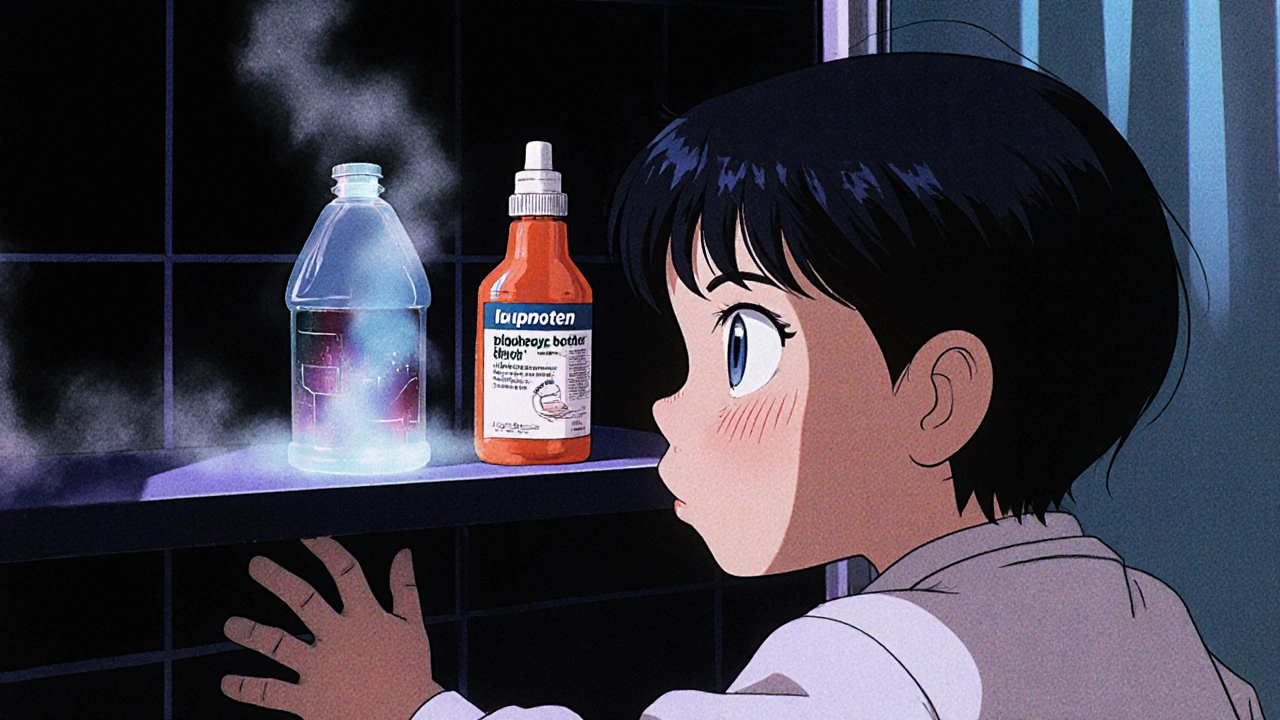
Safe Storage: How to Keep Your Medications Secure and Effective
When it comes to your meds, safe storage, the practice of keeping medications in conditions that preserve their strength and prevent accidental access. Also known as drug storage safety, it’s not just about keeping pills out of reach—it’s about making sure they still work when you need them. A pill left in a hot bathroom or a child’s drawer isn’t just risky—it could be useless. The FDA and drug manufacturers test how heat, moisture, and light affect medications, and the results aren’t always obvious. Take atazanavir, an HIV medication that loses effectiveness if stored above 77°F. Or hydrochlorothiazide, a blood pressure pill that can break down faster in humid air. Storing these wrong doesn’t just waste money—it puts your health at risk.
Safe storage isn’t one-size-fits-all. Some drugs need cool, dry places—like a bedroom drawer. Others, like insulin or certain injectables, require refrigeration. But even in the fridge, they shouldn’t sit near the freezer or in the door where temperature swings happen. And don’t store pills in your car, even in winter. Cold can be just as damaging as heat. If you travel, keep meds in your carry-on, not checked luggage. Airplane cargo holds can drop below freezing or spike over 120°F. OTC nasal sprays, like Afrin, can clog or leak if exposed to extreme temps. Same goes for betamethasone, a steroid cream that separates if frozen. You wouldn’t trust expired food—why trust expired meds?
Then there’s the safety side. Over 60,000 emergency room visits each year happen because kids got into pills. That’s not just about childproof caps—it’s about where you keep them. A purse left on a coffee table? A nightstand next to your phone? Those aren’t safe spots. Lock boxes, high shelves, or even locked cabinets make a difference. And if you have older adults in the house, cluttered medicine cabinets can lead to double-dosing or mixing wrong pills. safe storage also means separating drugs you don’t take anymore. Don’t just toss them in the trash—many pharmacies take back unused pills. Flushing them harms the environment and can still be dangerous if someone finds them.
What you’ll find below are real, practical guides on how to handle specific medications the right way—from HIV drugs that need strict temperature control to painkillers that can kill if misused. You’ll learn how to protect your health, your wallet, and your family with simple, no-fluff steps. No theory. No guesswork. Just what works.