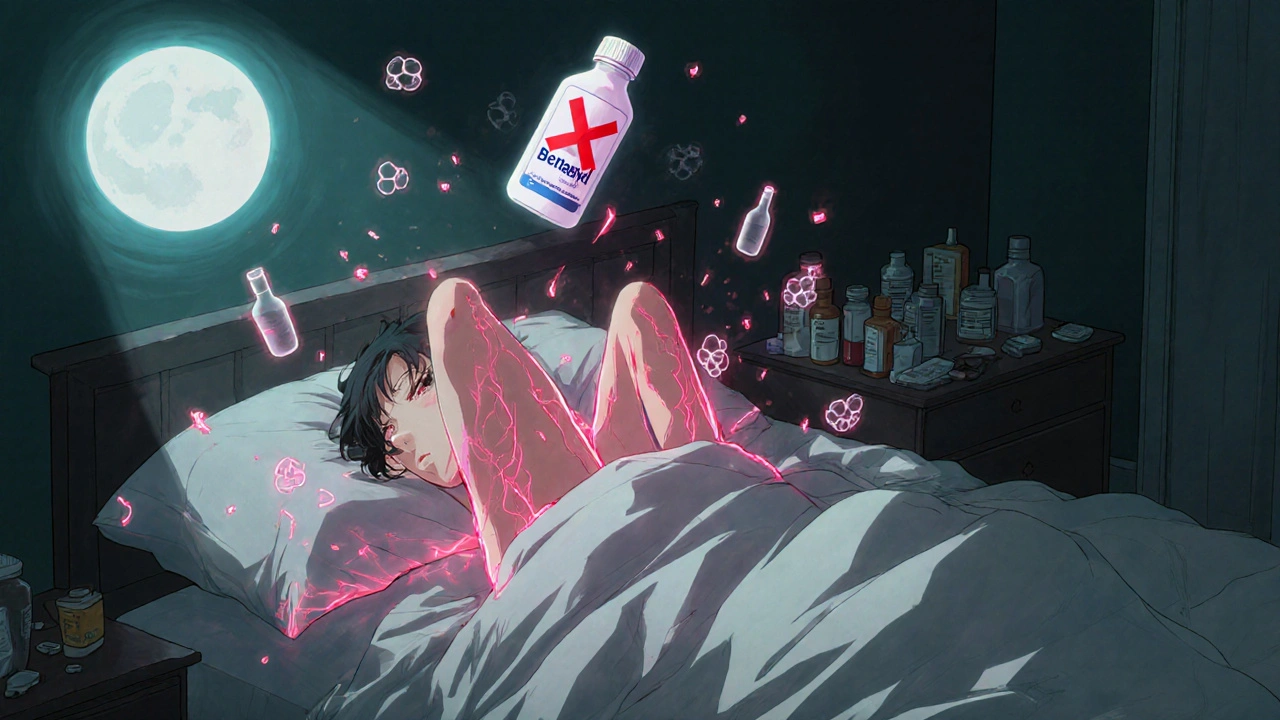
Sleep Disturbances: Causes, Medications, and What You Can Do
When you can't fall asleep or stay asleep, it's not just stress or too much coffee—sleep disturbances, a broad term covering insomnia, fragmented sleep, and poor sleep quality that disrupt daily life. Also known as insomnia, it's often tied to something deeper, like a medication you're taking or an underlying health issue. Many people assume poor sleep is normal with age or busy schedules, but the truth is, it's frequently a signal. One study tracked over 1,200 adults on long-term meds and found nearly 40% had sleep issues directly linked to their prescriptions—not just anxiety or lifestyle.
medication side effects, unintended changes in how your body functions after taking a drug are a major but overlooked cause. Drugs for depression, high blood pressure, thyroid problems, even some generics can mess with your sleep cycle. For example, sleep quality, how deeply and continuously you rest through the night can drop sharply with certain antidepressants like Venlafaxine or stimulants used for ADHD. On the flip side, heart failure patients on Sacubitril often report better sleep because the drug reduces nighttime breathing problems and frequent urination. It’s not just about counting hours—it’s about how restful those hours are.
And it’s not always the drug itself—it’s how your body reacts over time. Some people develop rebound insomnia after stopping OTC sleep aids. Others notice their sleep worsens after switching from brand to generic thyroid meds, where tiny formulation differences matter more than most realize. Even something as simple as storing your pills near household chemicals can change how they work, leading to unexpected side effects like restlessness or vivid dreams.
If you’re struggling to sleep, ask yourself: When did this start? Did it begin after a new prescription? Are you taking more than one med that affects your nervous system? Are you using nasal sprays, alcohol, or painkillers that seem harmless but quietly wreck your sleep? The answers aren’t always obvious, but they’re there.
Below, you’ll find real stories and data-backed insights from people who’ve been there—how a COPD drug changed their nights, why a blood pressure pill made them wake up every two hours, and how switching generics led to better rest. You’ll also learn how to spot when your sleep issues are a red flag, not just bad luck. This isn’t about quick fixes. It’s about understanding what’s really going on so you can talk to your doctor with clear, specific questions—and finally get the rest you need.