
When a patient needs a life-saving drug and it’s simply not there, the consequences aren’t theoretical-they’re immediate. A cancer patient waits two weeks for asparaginase. A child with leukemia misses a critical treatment cycle. A heart surgery patient gets a less reliable anticoagulant because heparin is out of stock. These aren’t rare exceptions. They’re happening every day across U.S. hospitals. As of June 2025, there were still 253 active drug shortages, down from a peak of 323 earlier in 2024 but far above the 187 recorded just three years ago. This isn’t a glitch in the system. It’s a breakdown.
What’s Really Behind the Shortages?
It’s easy to blame manufacturers, but the problem runs deeper. About 47% of shortages come from fractured global supply chains. A single active ingredient made in India or China can delay an entire batch of medicine if there’s a factory inspection, power outage, or shipping delay. Then there’s manufacturing quality. Nearly one-third of shortages happen because a plant fails an FDA inspection-often due to contamination or poor documentation. And 21% of cases are caused by raw material shortages, like the chemical precursors for antibiotics or chemotherapy drugs. The real kicker? Most of these drugs are generics. They’re cheap. And when profit margins are razor-thin, companies stop making them. In 2023, generic drugs made up 83% of all shortages. Why spend millions upgrading a production line for a $0.10 pill when you can make more money on a brand-name drug with a patent? The market doesn’t reward reliability-it rewards cost-cutting.How Hospitals Are Scrambling to Cope
Hospitals aren’t sitting idle. They’ve formed shortage response teams, bought extra stockpile inventory, and switched to alternative drugs. But it’s not simple. Replacing one drug with another sounds easy until you realize the alternatives might be less effective, more toxic, or require different dosing. One study found that switching to substitute medications led to an 18.3% spike in medication errors. Nurses and pharmacists spend 15 to 20 hours a week per shortage just tracking down supplies, training staff, and rewriting protocols. Pediatric hospitals? They spend 25% more time because kids need special formulations-liquid versions, lower doses, flavoring-that aren’t always available. In 2023, the average hospital tracked 43 active shortages at once. Some tracked over 70. That’s not just paperwork-it’s constant crisis mode. Pharmacists are forced to call multiple distributors, negotiate with other hospitals, and sometimes beg manufacturers for a few vials. One oncology nurse in Chicago told a reporter she once spent three days trying to get a single dose of nelarabine for a 9-year-old. She got it on the fourth day. The child’s treatment was delayed by two weeks.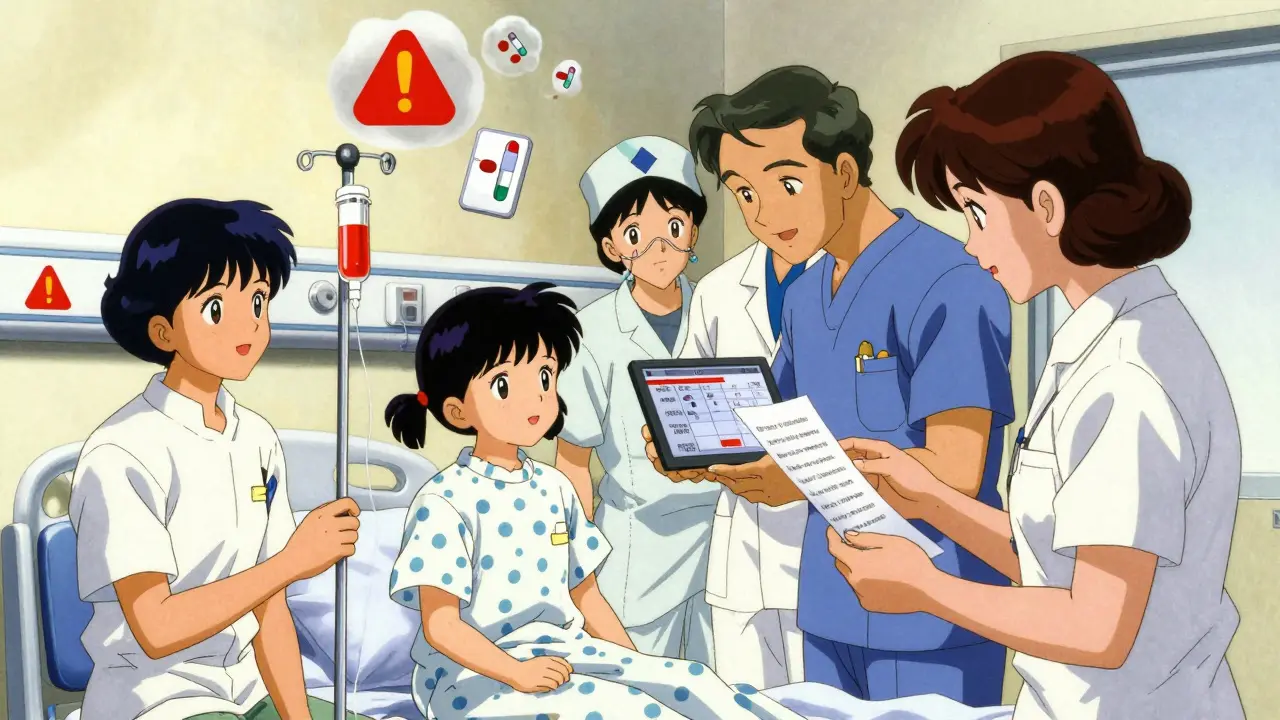
Patients Pay the Price-Literally and Physically
When drugs vanish, patients don’t just wait. They suffer. A 2024 NIH analysis showed that during shortages, patients are 43% more likely to make a medication error-taking too much, too little, or the wrong drug. Out-of-pocket costs jump by an average of 18.7% as patients pay for alternatives or pay for faster shipping. Some skip doses. Others stop taking their meds entirely. One in three Americans say they’ve skipped a prescription because they couldn’t afford it, and that number is climbing. The worst cases are in oncology and critical care. Asparaginase shortages have delayed leukemia treatments by 7 to 14 days. That’s not just inconvenient-it can mean the difference between remission and relapse. Heparin shortages forced cardiac surgery centers to use different anticoagulants, increasing procedure times by 22%. Longer surgeries mean more risk of infection, bleeding, and complications. In one hospital, a patient died after a substitute anticoagulant caused an unexpected blood clot. The family sued. The hospital settled.What’s Being Done-and Why It’s Not Enough
The FDA started requiring manufacturers to report potential shortages six months in advance in 2023. That’s a step forward. But many companies still wait until the last minute. Others report “potential” shortages that never materialize, flooding the system with noise. The government has held hearings. Congress has debated bills. But no law forces companies to produce low-margin drugs. No policy guarantees supply chain transparency. And no system prevents a single foreign factory from holding millions of American patients hostage. Some hospitals are turning to group purchasing organizations like Vizient, which helped members avoid $300 million in inventory costs since 2023. Others are investing in real-time monitoring software. But these are band-aids. The real fix? Financial incentives for manufacturers to keep making essential generics. Better oversight of overseas production. Stockpiling critical drugs at the national level. And transparency so hospitals know exactly where a drug is coming from-and when it might disappear.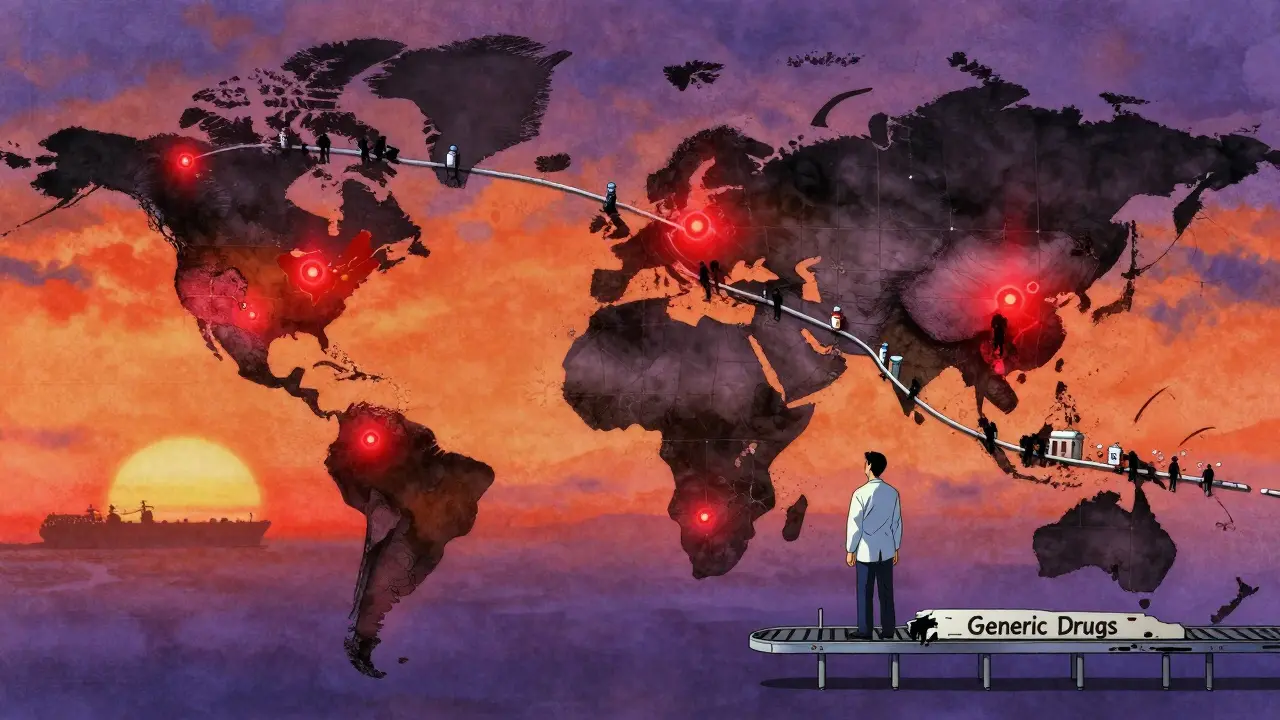
The Human Cost You Don’t See
Behind every shortage number is a person. A mother who can’t get her child’s ADHD medication. A diabetic who can’t fill his insulin prescription because the batch was recalled. A cancer survivor whose maintenance drug vanished for eight months. One pharmacist in Texas said she cried when a mother asked if her daughter could get her chemo drug “before the next month.” The answer was no. The mother left the hospital without saying another word. We talk about drug prices. We talk about insurance. But we rarely talk about what happens when the medicine simply isn’t there. No matter how advanced our technology, no matter how many specialists we have, healthcare can’t function without the basic building blocks: pills, injections, IV fluids. When those vanish, the system doesn’t adapt-it fractures.What Comes Next?
The decline in shortages from 323 to 253 might look like progress. But it’s still far above where we were in 2021. And the root causes haven’t changed. Until manufacturers are financially rewarded for reliability-not just low cost-until supply chains are diversified and monitored, and until patients are protected from the fallout, these shortages will keep coming. And every time they do, someone’s treatment gets delayed. Someone’s health gets worse. Someone might not make it. The question isn’t whether we can fix this. It’s whether we’re willing to.Why are generic drugs most often in shortage?
Generic drugs make up 83% of shortages because they’re low-margin products. Manufacturers don’t make much profit on them, so when production costs rise or demand drops slightly, they stop making them. There’s little financial incentive to invest in quality control, backup suppliers, or extra inventory for these drugs-even when they’re essential.
Can hospitals just order more of a drug before it runs out?
Sometimes, but it’s not that simple. Many hospitals don’t have the storage space or budget to stockpile large amounts of drugs, especially ones with short shelf lives. Plus, manufacturers often can’t supply more than what’s already allocated. Even if a hospital orders extra, the drug might still be unavailable because the entire supply chain is backed up.
Are drug shortages getting better or worse?
There’s been a slight drop since early 2024-from 323 active shortages to 253 as of June 2025-but that’s still much higher than in 2021 (187). The number of new shortages has actually increased since 2022, meaning the problem is still growing. The FDA’s new reporting rules help, but they don’t fix the underlying economic and supply chain issues.
How do drug shortages affect children differently?
Children need special formulations-lower doses, liquid forms, flavored versions-that aren’t always made by manufacturers. When a drug like an antibiotic or chemotherapy agent is in short supply, pediatric versions are often the first to disappear. Pediatric hospitals report needing 25% more staff time just to manage shortages because alternatives are harder to find and safer dosing is more complex.
What can patients do if their medication is unavailable?
Talk to your doctor or pharmacist immediately. Don’t skip doses or substitute with over-the-counter options. Pharmacists can sometimes source the drug from another supplier or suggest a clinically appropriate alternative. For critical drugs like insulin or chemotherapy, hospitals and specialty pharmacies may have emergency stock or access to patient assistance programs. Always document the shortage and ask for a written plan.
Bob Hynes
February 2, 2026 AT 23:17man i just saw a post about some kid in texas waiting 3 weeks for chemo because the damn vial was stuck in a port in mumbai. we talk about healthcare like its a spreadsheet but its people. its moms crying in hospital hallways. its nurses begging for 2 more vials. this isnt a supply chain issue its a soul issue.
Akhona Myeki
February 4, 2026 AT 02:48Let me be perfectly clear: this is a direct consequence of Western nations outsourcing pharmaceutical production to countries with lax regulatory oversight. India and China do not prioritize patient safety-they prioritize profit margins and political stability. Until the United States re-shores its generic drug manufacturing and enforces sovereign supply chain integrity, these tragedies will continue. This is not a market failure-it is a national security failure.
Chinmoy Kumar
February 5, 2026 AT 16:46im not sayin its easy but i think we can fix this if we just stop treatin meds like a commodity and start treatin em like air. like, imagine if we had a national stockpile of like 6 months supply of every essential generic? like, why dont we? its not that expensive compared to all the ER visits and deaths from delays. also maybe pay manufacturers a tiny bit more to keep lines open? even if its 5 cents more per pill? people dont realize how much work nurses do just to find one vial. they deserve better.
Brett MacDonald
February 5, 2026 AT 20:40the real tragedy is that we’ve turned healthcare into a market of invisible hand magic. but the hand is broken. it’s not greedy, it’s just… indifferent. capitalism rewards efficiency, not humanity. and when you optimize for cost, you optimize out the people who need the drug the most. we’re not failing because we’re evil. we’re failing because we’re logical.
Sandeep Kumar
February 7, 2026 AT 09:43why are americans so weak? you outsource everything then act shocked when it breaks. india makes 40% of the world's generics. if they have a power cut you cry? fix your own damn factories. stop whining. if you want medicine then pay for it. no one owes you a $0.10 pill. the system works. you just don't like the price
Gary Mitts
February 8, 2026 AT 07:36so we pay more for brand names and less for generics… and then wonder why the generics vanish?
huh.
who saw that coming?
not me.
lol
Anthony Massirman
February 9, 2026 AT 23:13my cousin’s a nurse in ohio. she told me last week she spent 14 hours tracking down a single dose of vincristine. for a 5 year old. she got it. the kid’s okay. but she cried on her way home. we don’t talk about that part. we talk about stock prices. we need to stop doing that.
phara don
February 10, 2026 AT 01:59so… if we made manufacturers pay a fee every time they report a potential shortage… and that fee went to a fund that paid them to keep inventory… would that help?
just a thought 😅
Hannah Gliane
February 11, 2026 AT 04:49and yet… you all still buy your $10 insulin from Canada while ignoring the fact that your tax dollars fund the very system that lets this happen. 🤦♀️
you want change? stop being hypocrites.
vote for someone who won’t take pharma money.
or shut up.