

Watching a senior loved one sleep peacefully after a procedure is comforting. But what if that deep sleep turns into something dangerous? Over-sedation in older adults isn't just about being groggy; it can quickly escalate into respiratory failure or even death. The risk is real. Seniors are 3.5 times more likely to experience adverse sedation events compared to younger adults. This isn't because they are weak; it’s because their bodies process drugs differently as they age. Their liver works slower, their kidneys clear toxins less efficiently, and their brains react more strongly to sedatives. If you are caring for an elderly parent, managing a patient at home, or simply want to understand the safety protocols used in hospitals, knowing the signs of trouble early is the difference between a minor scare and a medical emergency.
Why Seniors Are at Higher Risk
To monitor effectively, you first need to understand why the standard "one-size-fits-all" approach fails with older adults. As we age, our physiology changes in ways that make us vulnerable to medication buildup. Between the ages of 20 and 80, hepatic metabolism-the liver's ability to break down drugs-decreases by 30% to 50%. Renal clearance, how well the kidneys filter waste, drops by nearly 1 milliliter per minute every year after age 40. This means a dose that makes a 40-year-old drowsy might cause an 80-year-old to stop breathing properly.
Furthermore, the blood-brain barrier becomes more permeable with age. Sedatives cross into the brain more easily and stay there longer. According to the 2023 National Commission for Quality Assurance Sedation Safety Report, seniors account for 65% of respiratory arrest cases during procedural sedation. This statistic highlights a critical gap: many facilities still use standard adult dosing for 42% of their senior patients, despite guidelines recommending 30-50% lower doses. Understanding this biological reality helps you recognize that subtle changes in behavior or breathing are not normal-they are warning signs.
The Golden Standard: Multimodal Monitoring
In clinical settings, the gold standard for preventing overdose is continuous multimodal monitoring. This doesn't mean relying on a single device. It means watching multiple vital signs simultaneously to catch problems before they become crises. The American Society of Anesthesiologists (ASA) mandates specific thresholds that you should be aware of, whether you are in a hospital room or checking on someone at home.
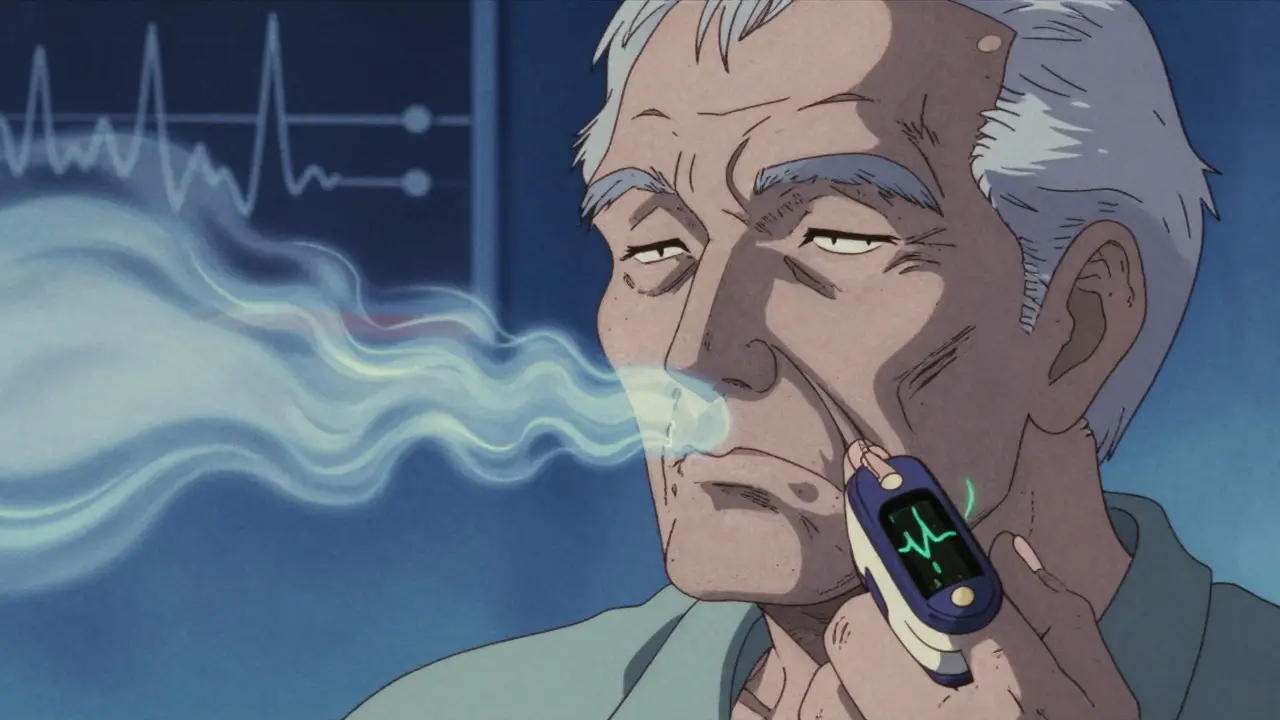
- Pulse Oximetry (SpO2) measures oxygen levels in the blood. For seniors, readings must stay above 92%, with alarms set at 90%. However, pulse oximetry has a blind spot: it only detects low oxygen, not the lack of breathing that causes it.
- Capnography monitors carbon dioxide (CO2) levels in exhaled breath. End-tidal CO2 (EtCO2) values should remain between 35-45 mmHg. If respiratory rates drop below 8 breaths per minute, immediate intervention is needed. Capnography is superior because it detects hypoventilation (shallow breathing) up to 14 minutes before oxygen levels drop.
- Blood Pressure should be checked at least every 5 minutes. Systolic pressure must stay above 90 mmHg. Drops in blood pressure often accompany deep sedation.
- Heart Rate monitored via ECG should stay between 50-100 beats per minute. Bradycardia (slow heart rate) is a common side effect of opioid overdose.
While home care rarely involves capnography machines, understanding these metrics helps you appreciate why professionals rely on them. In a home setting, your eyes and ears become the primary tools, but knowing these benchmarks gives you a reference point for what "normal" looks like.
Recognizing Early Warning Signs
You don't need expensive equipment to spot trouble. You need observation skills. Over-sedation progresses through stages, and catching it early is key. The most reliable tool for assessing consciousness is the Richmond Agitation-Sedation Scale (RASS). While this is a clinical scale, its principles apply anywhere. A score below -2 indicates moderate sedation requiring attention. Here is how to translate that into plain English:
- Responsiveness: Can you get their attention? Shake their shoulder gently or call their name loudly. If they do not open their eyes or respond within a few seconds, this is a red flag. An unarousable state (RASS -5) is a medical emergency.
- Breathing Patterns: Watch their chest rise and fall. Count the breaths for one full minute. Fewer than 8 breaths per minute is dangerously low. Look for "snoring" or gurgling sounds, which indicate the airway is partially blocked. Normal breathing should be quiet and regular.
- Skin Color: Check their lips, fingertips, and nail beds. Pale, blue, or grayish tones suggest hypoxia (low oxygen). Note that if the person is on supplemental oxygen, their skin color may look normal even while they are struggling to breathe-a phenomenon known as "silent hypoxia."
- Muscle Tone: Lift their eyelid slightly. If it stays open without support, they are awake. If it falls shut immediately and they cannot hold it open, they are heavily sedated. Also, check if their jaw is slack; a dropped jaw can obstruct the airway.
These signs often appear together. A slow breathing rate combined with difficulty waking the person is a classic presentation of opioid-induced ventilatory impairment (OIVI). Do not wait for all signs to appear. One major warning sign warrants immediate action.
Home Monitoring Strategies
If you are caring for a senior at home who is taking opioids or sedatives, you are the primary monitor. Hospital-grade technology isn't available, but simple strategies can save lives. First, establish a routine. Check on the person every 15 to 30 minutes when they are sleeping after taking medication. Set alarms on your phone if necessary. Consistency prevents the "I'll just check later" mistake that leads to tragedies.
Second, optimize the environment. Ensure good lighting so you can see their chest movement and skin color clearly. Keep a flashlight nearby for nighttime checks. Remove any pillows or bedding that could cover their face, reducing the risk of suffocation if they become too sedated to move. Position them on their side rather than their back; this helps keep the airway open and allows secretions to drain out of the mouth instead of being swallowed.
Third, consider affordable tech aids. While not a replacement for human observation, smartwatches or fitness trackers that monitor heart rate and sleep patterns can provide data trends. A sudden drop in heart rate or unusual sleep immobility can trigger an alert. Some devices also detect falls, which might occur if a senior tries to walk while overly sedated. However, remember that technology can fail. Always pair device alerts with physical checks.
What to Do in an Emergency
If you suspect over-sedation or overdose, act fast. Time is critical. Brain damage from lack of oxygen can begin within minutes. Follow these steps:
- Call Emergency Services Immediately: Dial your local emergency number (e.g., 000 in Australia, 911 in the US). Tell them you suspect an opioid or sedative overdose in an elderly person. Stay on the line and follow their instructions.
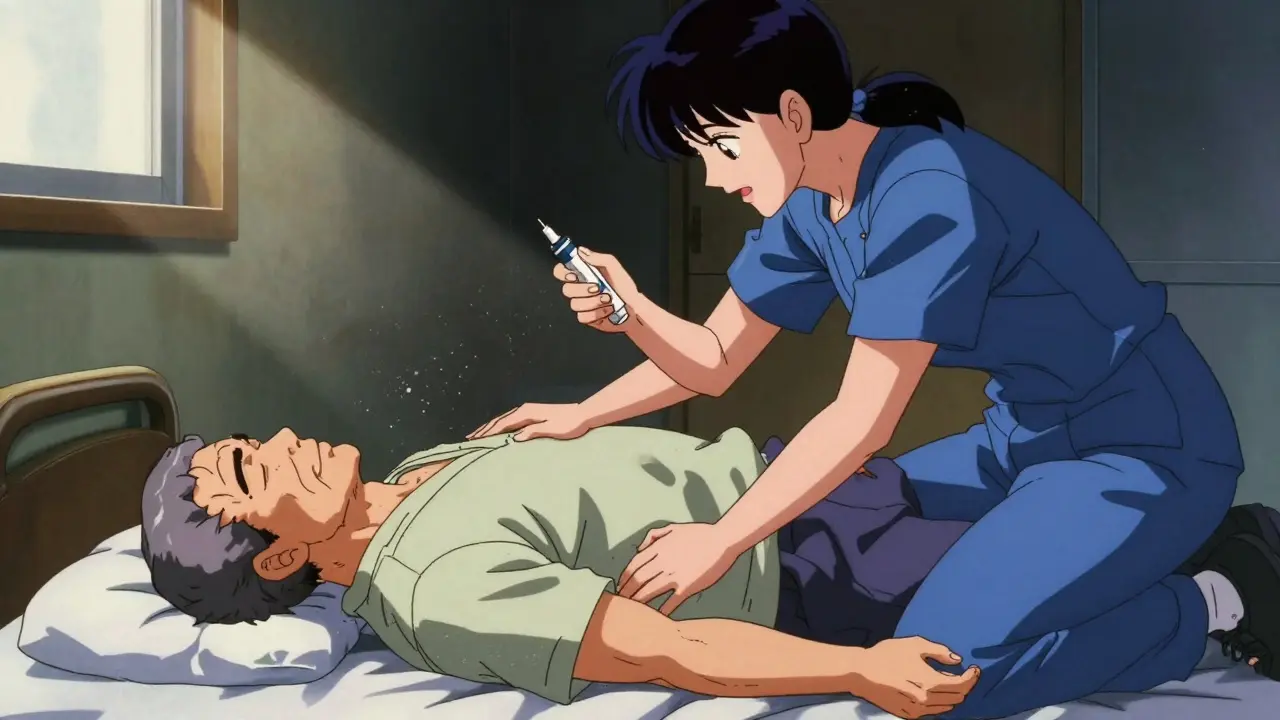
- Stimulate the Person: Try to wake them up. Rub the sternum (breastbone) firmly, shout their name, or pinch the trapezius muscle (shoulder). Avoid shaking them violently, as this could cause injury if they have osteoporosis.
- Check Breathing: If they are not breathing or breathing very slowly (<8 breaths/min), begin rescue breathing if you are trained. Place them in the recovery position (on their side) to keep the airway clear.
- Administer Naloxone if Available: If the overdose is caused by opioids (like morphine, oxycodone, or fentanyl), and you have naloxone (Narcan), administer it according to the package instructions. Naloxone reverses opioid effects rapidly. Be prepared to give a second dose if there is no response after 2-3 minutes, as seniors may require higher doses due to body mass and drug accumulation.
- Monitor Until Help Arrives: Continue to check breathing and responsiveness. If they stop breathing again, restart rescue breathing. Do not leave them alone.
Remember, it is better to err on the side of caution. Calling emergency services for a false alarm is far safer than waiting too long for a real one.
Prevention and Communication
The best way to handle over-sedation is to prevent it. Start with open communication with healthcare providers. Ask specifically about age-adjusted dosing. Use the formula mentioned by experts: dose = standard dose × (1 - 0.005 × (age - 20)). For an 80-year-old, this suggests a significant reduction from the standard adult dose. Challenge any prescription that seems high for a senior. Doctors sometimes overlook cumulative effects when multiple medications interact.
Create a medication log. Write down every pill taken, including time, dose, and any observed effects. Share this log with all caregivers and doctors. Many overdoses happen because family members and nurses give medications independently, unaware that the other party already administered a dose. Centralize control of medications under one responsible person if possible.
Educate all household members. Not everyone knows what over-sedation looks like. Show them the signs: slow breathing, inability to wake up, blue lips. Make sure they know where the emergency numbers are and where naloxone is stored if prescribed. Prevention is a team effort, and awareness spreads safety.
How long does it take for over-sedation to become fatal?
Respiratory depression can lead to cardiac arrest within minutes if untreated. Brain damage from hypoxia can start occurring after 4-6 minutes without oxygen. Immediate intervention is crucial to prevent permanent damage or death.
Can pulse oximeters detect over-sedation accurately?
Pulse oximeters measure oxygen saturation but do not directly measure breathing rate or depth. They can miss "silent hypoxia" where a patient on supplemental oxygen maintains normal SpO2 levels despite dangerous hypoventilation. Capnography is a more accurate tool for detecting early respiratory issues.
What is the safest position for a sedated senior?
The recovery position (lying on the side) is safest. It keeps the airway open and allows saliva or vomit to drain out of the mouth, preventing aspiration. Lying flat on the back increases the risk of tongue obstruction and choking.
How much should I reduce the dose for an 80-year-old?
Experts recommend reducing sedative doses by 30-50% for seniors. Using the age-adjustment formula, an 80-year-old might require only 70-75% of the standard adult dose. Always consult with a healthcare provider before adjusting medications.
Is naloxone safe for seniors?
Yes, naloxone is generally safe for seniors. It reverses opioid effects without causing harm. However, because seniors metabolize drugs slower, they may require higher or repeated doses of naloxone to fully reverse the overdose. Monitor closely after administration.
Prudence Wesson
May 4, 2026 AT 05:11Oh, please. Do you really think the average person can just "monitor" a senior with the precision of a hospital-grade capnograph? It is absolutely absurd to suggest that laypeople should be responsible for detecting hypoventilation based on "eyeballing" chest rise and fall. The article is dangerously naive in its assumptions about home care capabilities. One does not simply "watch" for respiratory failure without proper training and equipment. It is negligent to spread this kind of misinformation under the guise of a "practical guide."
Divya Patel
May 5, 2026 AT 06:31The essence of caregiving lies not merely in the clinical observation of vital signs, but in the profound, silent dialogue between the caregiver and the cared-for. In my culture, we believe that the body speaks before the mind does; thus, the intuition of the family member is often more acute than any machine. We must honor the elder's dignity by being present, truly present, rather than reducing their existence to a series of pulse oximetry readings. It is a spiritual act as much as a medical one.
SWATI NAWANGE
May 5, 2026 AT 09:30I find it utterly preposterous that this article suggests smartwatches are a viable substitute for professional monitoring. How quaint. The notion that a consumer-grade fitness tracker can detect opioid-induced ventilatory impairment is laughable at best and dangerous at worst. One must possess a certain level of intellectual rigor to understand that technology cannot replace the nuanced judgment of a trained clinician. This is why we have specialists, not because they enjoy wearing white coats, but because competence matters. Do not confuse convenience with safety.
nikki paurillo
May 7, 2026 AT 09:20There is a quiet poetry in the vigilance required here, a sort of shadow-dancing where one learns to read the subtle shifts in breath like changes in the wind before a storm. I’ve found that keeping a soft light on and listening for the rhythm of sleep-whether it’s smooth as silk or jagged like broken glass-can tell you more than any chart. It’s about feeling the energy in the room, the heaviness that settles when things go wrong. Trust your gut, folks, it’s wired deeper than any sensor.
Tallulah Sandison
May 9, 2026 AT 07:11u guys r overcomplicating this!! just check if they r breathing!! simple as that!! dont need fancy tech!! just look at chest!! if it moves ur good!! stay positive!! u got this!! 💪✨
Ken Baldridge
May 10, 2026 AT 05:21Let’s unpack the physiological mechanics here, team. When we talk about hepatic metabolism slowing down, we’re essentially discussing the pharmacokinetic half-life extension of sedatives in geriatric populations. It’s crucial to understand that the blood-brain barrier permeability isn’t just a 'thing'; it’s a critical variable in drug distribution volume. So, while the advice to position them laterally is sound for airway patency, we also need to consider the hemodynamic implications of sudden positional changes in hypotensive patients. Let’s keep the conversation grounded in evidence-based practice, yeah?
Bradley Gusick
May 11, 2026 AT 21:43This is exactly what happens when you outsource healthcare to untrained civilians. The government wants you dependent on these cheap gadgets so they can track your biometrics. Who controls the data from those smartwatches? Big Pharma? The deep state? They want seniors sedated into submission so no one asks questions. Wake up! Real medicine is natural, not these synthetic opioids that kill the elderly. Don't let them gaslight you with 'clinical guidelines.'
Leah Sentz
May 12, 2026 AT 10:16I am literally shaking reading this 😭😭 My grandma almost died last year because the nurse was too busy texting!! They don't care about us!! 🙄💔 You have to fight for your loved ones!! Call 911 immediately!! Don't trust anyone else!! Only YOU can save them!! 👊👊👊 #HealthcareFail #SaveOurSeniors
Robert Cowley
May 13, 2026 AT 09:15Actually, the premise that seniors are 'more vulnerable' is a bit of a straw man argument. If you adjust for comorbidities and baseline functional status, the risk profile normalizes significantly. The issue isn't age per se; it's poor medication management by incompetent providers. Blaming 'physiology' is an excuse for lazy prescribing practices. Also, capnography is overrated in non-intubated patients. Stop panicking people for clicks. :/
Sarah Mifsud
May 13, 2026 AT 17:11Hey everyone! I totally get the worry here. I used to work in hospice so i can help out. The key is really consistency. Set alarms on yr phone every 15 mins. And yes, the side sleeping thing is super important because gravity helps keep the airway open. Dont forget to check lips for color too. Hope this helps! Let me know if u have more qstns!