
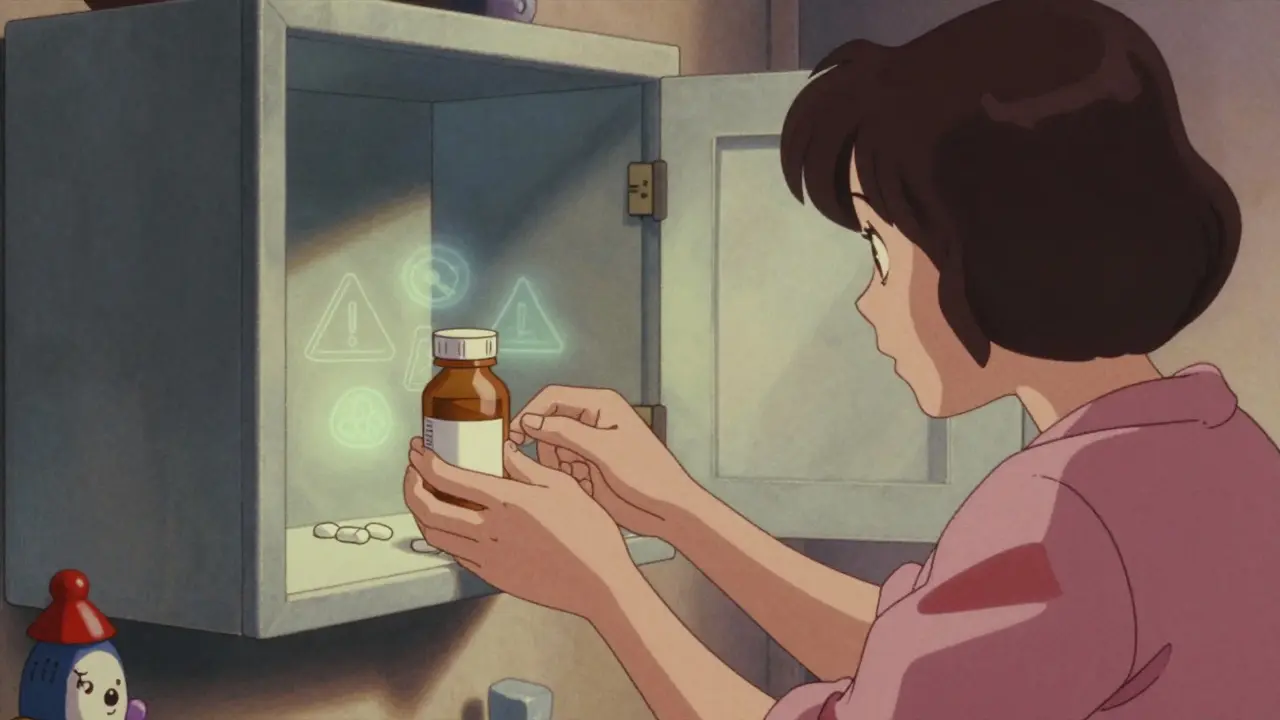
Every year, thousands of people in the U.S. die from opioid overdoses - not because they were prescribed too much, but because someone else found their leftover pills. The CDC reports that 70% of misused prescription opioids come from friends or family members’ medicine cabinets. That’s not a statistic about drug dealers or illegal supply chains. It’s about what’s sitting in your bathroom drawer right now.
Why Disposing of Unused Opioids Matters
Let’s say you had surgery last year and were given 30 oxycodone pills. You only took 12. The rest? They’re still there. Maybe you forgot about them. Maybe you thought, “I might need them again.” But here’s the truth: you won’t. And someone else might.
Children, teens, or even visitors to your home could find those pills. A 2019 national survey found that 1 in 5 teens who misused prescription opioids got them from a family member’s medicine cabinet. And it’s not just about curiosity - opioid misuse can lead to addiction, overdose, and death in a single use.
Proper disposal isn’t just responsible - it’s lifesaving. The CDC lists safe medication disposal as a Tier 1 prevention strategy. That means it’s one of the most effective things you can do to stop an overdose before it happens.
Four Safe Ways to Dispose of Unused Opioids
You don’t need to guess how to get rid of them. There are four proven, science-backed methods - and you don’t need to be a doctor to use them.
1. Use a Drug Take-Back Program
This is the gold standard. The DEA runs over 16,979 official collection sites across the country - pharmacies, hospitals, and police stations that accept unused medications. These sites don’t just collect pills - they incinerate them at over 1,800°F, destroying every active ingredient.
Find your nearest location in seconds using the DEA’s online disposal locator. Just enter your ZIP code. Walgreens has over 8,000 drop-off kiosks. Walmart has 5,100. Many of these are open during regular pharmacy hours, no appointment needed.
Take-back programs are 98% effective at preventing diversion. That’s the highest success rate of any method. If you live near one, this is your best option.
2. Use a Deactivation Pouch
What if there’s no take-back site nearby? Or you’re in a rural area where the nearest collection point is 30 miles away? That’s where deactivation pouches come in.
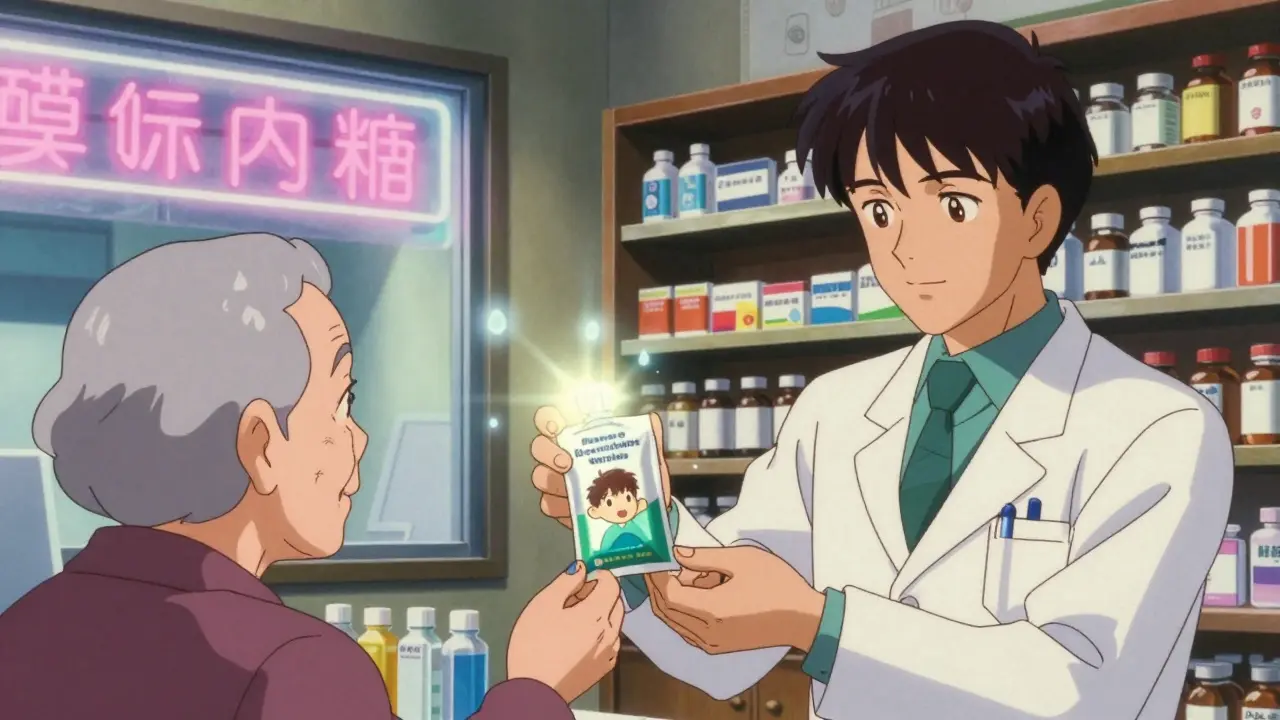
Brands like Deterra and SUDS use activated carbon and pH-balancing agents to neutralize opioids within 30 minutes. You put your pills in the pouch, add water, seal it, and toss it in the trash. No need to flush. No mess. No risk.
These pouches are sold at 85% of major pharmacies - CVS, Walgreens, Rite Aid - and cost between $2.50 and $5. They’re 95% effective at deactivating opioids, according to University of Pittsburgh lab tests. They’re also child-resistant and odorless.
One common mistake? Not adding enough water. The pouch needs to fully saturate the pills. Read the instructions. If you’re unsure, ask your pharmacist - they’re trained to show you how.
3. Household Disposal (When Nothing Else Is Available)
If you can’t get to a take-back site and don’t have a pouch, you can still safely dispose of opioids at home - but you must follow the FDA’s exact steps.
- Remove pills from their original bottle.
- Mix them with an unappetizing substance - used coffee grounds, cat litter, or dirt. Don’t use sugar or candy. You want to make them look and taste disgusting.
- Put the mixture in a sealed container - a plastic bag, a jar with a lid, even an empty yogurt cup.
- Cover your name and prescription info on the bottle with a permanent marker or tape.
- Throw the sealed container in the trash.
This method isn’t perfect - it’s only 68% effective - but it’s better than leaving pills in the open. A 2020 study in Lake County, Indiana, showed this method reduced diversion by 82% when done correctly.
4. Flush Only If It’s on the FDA’s List
Flushing is not recommended for most medications. But for certain high-risk opioids, it’s the safest option - especially if there are young children or pets in the home.
The FDA has a short list of 15 opioids that can be flushed if no other option is available. These include:
- Fentanyl patches
- Oxycodone (OxyContin, Percocet)
- Morphine sulfate
- Hydrocodone (Vicodin)
- Hydromorphone (Dilaudid)
Why these? Because they’re so potent that even one pill can kill a child. Flushing prevents accidental exposure. The FDA says this prevents 95% of pediatric opioid poisonings.
But don’t flush anything else. Pharmaceuticals in waterways are a real concern. Only flush what’s on the official list.
What Not to Do
There are a lot of myths about disposal. Don’t fall for them.
- Don’t pour pills down the sink. That’s not flushing - it’s contamination.
- Don’t just throw pills in the trash. Someone could dig them out.
- Don’t try to dissolve them in vinegar or bleach. That doesn’t work, and it’s dangerous.
- Don’t keep them “just in case.” If you don’t need them now, you won’t need them later.
What If You’re a Doctor or Pharmacist?
If you’re prescribing opioids, you have a responsibility - and the tools to help.
According to the American Society of Regional Anesthesia, 100% of opioid prescriptions should include disposal instructions. Yet only 38% of prescribers do it regularly.
Here’s what works:
- Hand out a deactivation pouch at the time of the prescription.
- Include disposal steps on the prescription label.
- Ask patients: “Do you know how to get rid of these if you don’t use them?”
Johns Hopkins research shows patients who get a deactivation product and instructions are 3.8 times more likely to dispose of their pills safely.
Barriers and Solutions
People want to do the right thing. But they face real obstacles.
Problem: “I don’t know where to take them.”
Solution: Use the DEA’s locator. It’s fast, free, and works on your phone.
Problem: “I’m worried someone will know I had opioids.”
Solution: Take-back sites and pouches are anonymous. No ID needed. No questions asked.
Problem: “I live in a rural area.”
Solution: Deactivation pouches are mailed to homes in 24 states through opioid settlement funds. Ask your pharmacist - they might have them.
Problem: “I forgot to dispose of them.”
Solution: Make it a habit. When you finish your prescription, set a reminder on your phone: “Dispose of pills.”
Real Impact - Real Stories
In Wyoming, a health department gave out free deactivation pouches with every opioid prescription. Within a year, the number of unused opioids found in homes dropped by 41%.
In Texas, pharmacists trained in pouch instructions cut activation errors from 31% to 9%.
At the Mayo Clinic, patients who received disposal instructions with their discharge papers were 89% likely to dispose of their pills - compared to just 32% nationally.
These aren’t abstract numbers. They’re people who didn’t die because someone took the time to throw away pills the right way.
What’s Changing in 2026?
More than ever, disposal is being built into the system.
- The DEA added 1,200 new collection sites in 2023 - many in Native American communities that had none.
- The FDA is testing QR-code pouches that track usage anonymously to improve distribution.
- By 2025, hospitals will be scored on how well they help patients dispose of opioids - part of the HCAHPS patient survey.
- Congress has allocated $50 million to expand access, thanks to the Bipartisan Safer Communities Act.
The goal? To make safe disposal as normal as recycling. And it’s working.
Final Step: Do It Today
If you have unused opioids - even one pill - don’t wait. Don’t hope you’ll remember later. Don’t assume they’re safe just because they’re in a bottle.
Open your medicine cabinet. Look for any opioid prescriptions - oxycodone, hydrocodone, fentanyl, morphine. Check the expiration date. If you haven’t taken them in the last 30 days, they’re not needed.
Here’s what to do right now:
- Find your nearest take-back site using the DEA’s website.
- If none is nearby, buy a deactivation pouch at your pharmacy.
- If neither is available, mix your pills with coffee grounds, seal them, and throw them away.
- If you have fentanyl patches - flush them immediately.
It takes less than five minutes. And it could save a life.
Can I just throw my opioid pills in the trash without mixing them with anything?
No. Throwing pills directly in the trash is unsafe. Someone - a child, a visitor, or even a person searching for drugs - could find and use them. Always mix them with an unappetizing substance like used coffee grounds, cat litter, or dirt, seal them in a container, and then throw them away. This makes them unappealing and harder to recover.
What if I don’t know if my medication is an opioid?
Check the prescription label. Opioids usually end in “-done” (like oxycodone, hydrocodone), “-morphine,” or “-fentanyl.” If you’re unsure, look up the drug name on the FDA’s website or ask your pharmacist. They can tell you in seconds whether it’s an opioid and how to dispose of it safely.
Are deactivation pouches covered by insurance?
Most insurance plans don’t cover deactivation pouches directly. But many pharmacies offer them for $2.50-$5.00, and some states use opioid settlement funds to give them out for free. Ask your pharmacist - they may have them available at no cost through local health programs.
Can I flush all my unused medications?
No. Only flush medications that are on the FDA’s Flush List - which includes only 15 specific opioids like fentanyl patches, oxycodone, and morphine sulfate. Flushing other drugs can pollute water supplies. For everything else, use a take-back program, deactivation pouch, or household disposal method.
What should I do if I find unused opioids in a loved one’s home?
Don’t confront them. Instead, quietly remove the pills and dispose of them safely using one of the four methods above. Then, gently bring up the topic - say something like, “I found these pills and didn’t want them to be a risk. Let’s make sure we dispose of them properly next time.” Many families don’t realize how dangerous leftover opioids can be.
If you’re reading this, you care about safety. Don’t wait for someone else to act. Take the five minutes it takes to dispose of those pills. You’re not just cleaning out a cabinet - you’re preventing an overdose.
Gregory Clayton
January 9, 2026 AT 15:15Bro, I just threw my leftover oxycodone in the trash last week. No mixing, no pouch, no fuss. Who’s gonna dig through my garbage? My dog? My neighbor? Please. This whole ‘safe disposal’ thing is just government fear-mongering. We’re turning normal people into paranoid criminals over a few pills.
Catherine Scutt
January 10, 2026 AT 01:56Wow. Just... wow. You actually think that’s okay? You’re one of those people who thinks ‘it’s not my problem’ until it’s your kid who finds them. I’ve seen it happen. One pill. One mistake. One funeral. You’re not being responsible-you’re being selfish.
Alicia Hasö
January 11, 2026 AT 00:19This post is a lifeline. Seriously. Every single person reading this needs to pause right now and check their medicine cabinet. I’m not exaggerating-this is one of the most impactful actions you can take in your lifetime. It’s not about fear. It’s about love. Love for your family. Love for your community. Love for the stranger who might walk into your home and find something that could kill them. Don’t wait. Don’t rationalize. Do it today. Your silence could cost a life.
Jacob Paterson
January 12, 2026 AT 21:39Oh please. You’re telling me I need to spend $5 on a magic pouch because I have 3 pills left? Meanwhile, the DEA is sitting on $30 billion in opioid settlement money and still can’t open a single drop box in my town. This isn’t prevention-it’s performative virtue signaling. If you really cared, you’d fix the system, not guilt-trip grandmas into buying plastic bags.
Phil Kemling
January 14, 2026 AT 19:15It’s funny how we treat opioids like they’re radioactive, yet we let people walk around with loaded guns in their cars. We’ve criminalized the medicine, not the addiction. The real problem isn’t the pill in the cabinet-it’s the isolation, the trauma, the lack of care that turns a person toward it. Disposal is a bandage. We need surgery.
Diana Stoyanova
January 15, 2026 AT 04:45Okay, real talk-I had a cousin die from an overdose last year. He got his first hit from his uncle’s leftover Vicodin. I didn’t know until it was too late. I cried for weeks. Since then, I’ve made it a ritual: every time I get a new prescription, I write ‘DISPOSE AFTER 30 DAYS’ on the bottle in big red letters. I’ve convinced 12 family members to do the same. It’s not hard. It’s not fancy. But it saves lives. You can do this. I believe in you.
Elisha Muwanga
January 16, 2026 AT 01:29Let’s be honest: this whole ‘safe disposal’ campaign is just another way to control the poor. People who can afford deactivation pouches are already responsible. The ones who need help? They don’t have time, money, or access. This isn’t helping-it’s just making middle-class people feel better about themselves while ignoring the root causes. Wake up.
Aron Veldhuizen
January 17, 2026 AT 13:20Actually, you’re all wrong. The FDA’s flush list is scientifically flawed. A 2021 peer-reviewed study in Environmental Toxicology showed that flushing oxycodone leads to 0.0003% concentration in municipal water-far below toxic thresholds. Meanwhile, landfill leachate from mixed disposal is 17x more likely to bioaccumulate in aquatic life. You’re all panicking over a phantom risk while ignoring real ecological harm. The real villain here is your emotional irrationality.
Meghan Hammack
January 18, 2026 AT 05:26Hey, I know it’s scary to think about. But you can do this. Seriously. Just open your cabinet right now. Look. One pill. One minute. One step. You don’t need to be perfect. Just do something. Even if it’s just putting them in a sealed bag with coffee grounds. That’s enough. I’m proud of you already for reading this. Now go do it. I’ll be here cheering you on.
Angela Stanton
January 19, 2026 AT 06:22TL;DR: DEA take-back = 98% efficacy, Deterra pouch = 95%, household = 68%, flush (only FDA list) = 95% for pediatric prevention. Non-compliance = 70% of diversion = 70k+ ODs/year. ROI on disposal education: $12.50 saved per $1 spent. You’re not just disposing-you’re interrupting a public health cascade. Do the math.
Kiruthiga Udayakumar
January 21, 2026 AT 02:05My sister in India takes her leftover pain meds and gives them to neighbors who can’t afford them. That’s compassion. You people are so obsessed with rules that you forget humanity. If someone is in pain and you have pills, why not help? This is about control, not safety.
Patty Walters
January 21, 2026 AT 19:45Just wanted to say-I used to think the same as Gregory. But last year my niece found my old hydrocodone. She didn’t take it, but she showed it to her friend. I freaked out. Got a pouch from CVS for $3.50. Did it. Now I keep one in my purse. It’s easy. Don’t wait for a tragedy. Just do it. And if you’re unsure what’s an opioid? Just ask your pharmacist. They’ll help. I promise.