
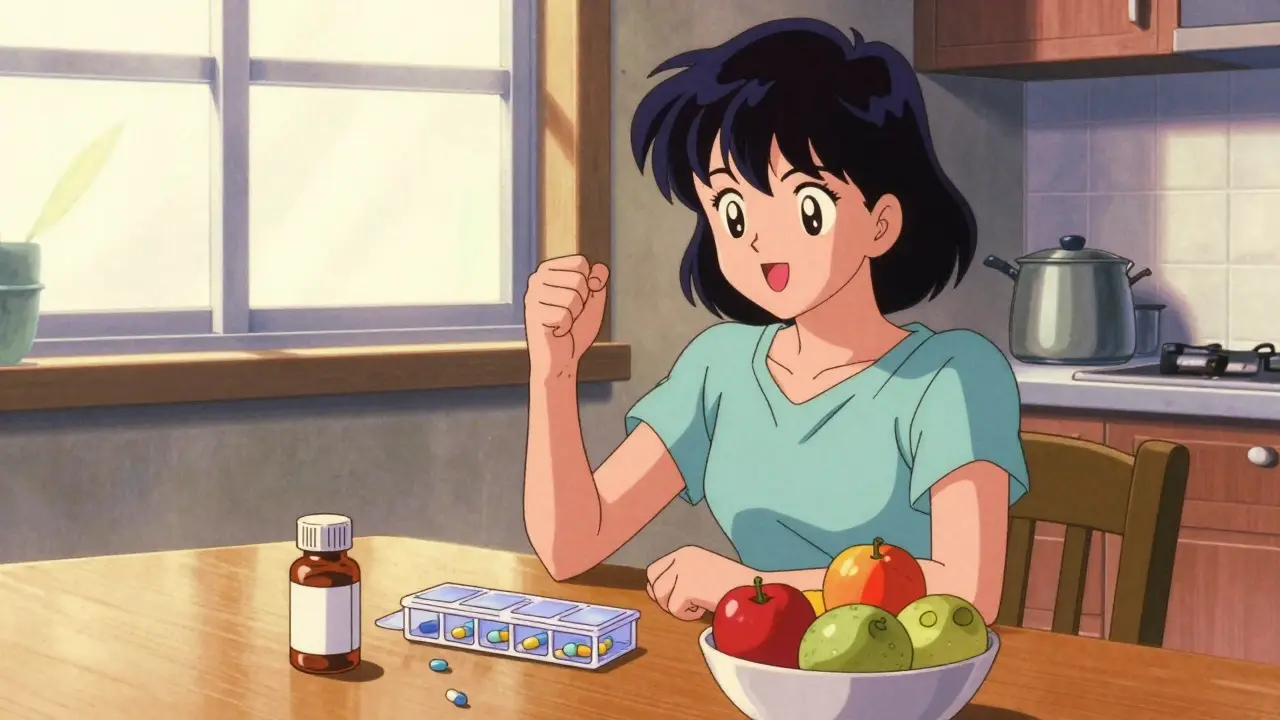
Millions of people stop taking their prescribed medicines simply because the side effects make daily life miserable. That frustration often comes from feeling powerless against chemical reactions in your body. But recent medical breakthroughs suggest that how you live-what you eat, move, and sleep-can fundamentally change how your body processes these drugs. You have more control over your prescription tolerance than most doctors discuss. By adjusting your routine, you can sometimes lower the dosage needed or eliminate the unwanted symptoms altogether, turning a toxic burden into a manageable part of your care plan.
Key Takeaways
- Dietary choices directly influence drug absorption and severity of reactions.
- Regular exercise can mitigate metabolic side effects like weight gain.
- Sleep quality impacts liver enzymes responsible for metabolising medications.
- Timing your doses around meals can prevent gastrointestinal distress.
- Consulting a healthcare professional before changing routines ensures safety.
Understanding the Connection Between Habits and Drugs
To manage side effects, we first need to understand why they happen. Your body treats medication as a foreign substance that needs breaking down. Medication Side Effects are often the result of how this process interacts with your biology. While pharmaceutical companies test extensively, they cannot account for every individual's lifestyle. For instance, the National Sleep Foundation indicates that poor sleep impairs hepatic enzyme function by up to 22%. If your liver isn't resting properly, it struggles to clear drugs efficiently, leading to higher concentrations in your bloodstream and stronger side effects. This is why someone might tolerate a dose perfectly one week and feel terrible the next-their stress or sleep pattern shifted.
Nutrition Strategies for Managing Reactions
Food and medicine share a complex relationship. Some nutrients block enzymes, while others act as buffers against irritation. One critical area is managing sugar and fibre intake for those on diabetes medication. A 2022 meta-analysis in Diabetes Care showed that structuring carbohydrate intake to roughly 30g per meal reduces Metformin stomach upset by 37%.
Another crucial factor is sodium. For patients on blood pressure medication, the American Heart Association notes that lowering sodium to 1,500mg daily can reduce systolic blood pressure by 8-14 mmHg. This physiological drop may allow doctors to reduce the dosage, directly lessening side effects related to excess diuretic use. Furthermore, specific food-drug interactions require caution. For example, consuming large amounts of vitamin K-rich vegetables like kale can interfere with blood thinners such as warfarin, reducing efficacy by 30-50%. Consistency is safer than total avoidance in many cases.
| Food Type | Affects Which Medication? | Recommended Action |
|---|---|---|
| Grapefruit Juice | Statins, Beta Blockers | Avoid completely; increases drug concentration |
| Leafy Greens (Kale, Spinach) | Warfarin | Eat consistent amounts daily |
| Alcohol | Painkillers, Blood Thinners | Limits depend on drug; generally restrict intake |
| High Sodium Foods | Blood Pressure Meds | Reduce intake to boost drug effectiveness |

Movement as Medicine
You might not associate walking or strength training with fixing nausea, but physical activity plays a massive role in drug tolerance. Many antipsychotic and antidepressant medications cause significant weight gain-averaging 7.3 pounds in the first year according to WebMD research. However, Dr. Michael Smith suggests that structured activity can counteract this. Exercising for 150 minutes weekly of moderate intensity helps maintain energy levels even when you start on beta-blockers, which are notorious for causing fatigue.
The mechanism here is twofold: muscle tissue acts as a secondary site for glucose disposal, relieving strain on your pancreas and insulin sensitivity, and improved cardiovascular efficiency means your heart doesn't have to work as hard, compensating for the sedative effects of some cardiac medications. Resistance training also specifically helps with statin-induced muscle pain. Research published in the Journal of the American College of Cardiology (2021) found that adding resistance training and coenzyme Q10 reduced muscle pain incidence from 29% to 11% in patients.
Sleep Hygiene and Stress Reduction
Sleep is often the missing variable in difficult medication management. If you are taking drugs metabolised by the CYP3A4 enzyme system-like certain statins and calcium channel blockers-your sleep depth matters. The National Sleep Foundation reports that 7-9 hours of quality sleep optimises these liver enzymes. Similarly, cortisol levels affect how your body responds to antidepressants. A study in JAMA Psychiatry demonstrated that 30 minutes of daily mindfulness lowers cortisol by 27%, improving overall antidepressant efficacy and reducing side effects like insomnia.
This isn't just about counting sheep. "Sleep hygiene" involves environmental controls: keeping the bedroom dark and cool, and avoiding screens for an hour before bed. Reducing external stress through meditation complements pharmacological interventions rather than replacing them. This dual approach creates a buffer against anxiety, making the side effect profile less noticeable.

Tailoring Tactics to Specific Drug Classes
Different prescriptions demand different behavioural adjustments. General advice rarely works as well as targeted strategies. Here is how to handle some common scenarios:
- GLP-1 Agonists (e.g., Semaglutide): Nausea is the most reported issue. Eating slowly (20-30 minutes per meal) and stopping three hours before bedtime has been shown to drop nausea rates from 73% to 29% during dose escalation.
- Beta Blockers: Fatigue and cold hands are common. Gradual warm-ups before exercise and layering clothing can help. Don't start heavy lifting immediately; build up slowly to let your body adjust to the heart rate control.
- Statin Therapy: Muscle aches often worry patients. Adding 200mg of CoQ10 daily alongside resistance exercises can significantly reduce these complaints without stopping the necessary heart protection.
Implementing Changes Safely
While these strategies are powerful, self-diagnosis is dangerous. The FDA’s 2023 guidance explicitly states that lifestyle changes must occur under physician supervision. Why? Because reducing your salt intake too aggressively could spike your heart issues if your kidney function isn't monitored, or altering alcohol consumption while on sedatives could trigger withdrawal or toxicity.
The American College of Physicians recommends that physicians screen for lifestyle factors before adjusting dosages. This highlights the importance of a partnership approach. Prepare for your next appointment by tracking your diet, sleep, and specific symptoms. Use a journal to note what time you take pills versus meals. Patterns often emerge-perhaps nausea always happens when you take the pill with coffee. Bring this log to your GP or specialist. This evidence empowers them to tailor the timing or formulation of your regimen effectively.
Future Trends in Personalised Management
We are entering a new era of precision medicine. Initiatives like the NIH's "All of Us" research program, which launched clinical applications in late 2025, are using gut microbiome analysis to predict who will tolerate which drugs best. This moves beyond generic advice to personal algorithms. For now, general principles remain vital, but expect more tailored digital tools soon. As electronic health records integrate lifestyle assessment scores, your doctor will see the full picture of how your habits interact with your prescriptions.
Can I stop taking my medication if I exercise more?
Absolutely not. Stopping medication without medical supervision can lead to rebound effects like high blood pressure spikes. Exercise can help reduce the required dose over time, but that decision belongs to your prescriber.
Is grapefruit juice really bad for everyone on meds?
It depends on the drug. Grapefruit inhibits the CYP3A4 enzyme, affecting statins and some blood pressure meds. Always ask your pharmacist about this specific interaction.
How long does it take to see improvements in side effects?
Research from the University of North Carolina suggests that meaningful impact typically takes 8 to 12 weeks of consistent lifestyle adjustments combined with counseling.
Should I track my symptoms before seeing a doctor?
Yes. Keeping a symptom diary regarding sleep, diet, and timing of medication helps doctors identify lifestyle patterns contributing to adverse reactions.
Are supplements safe for managing drug side effects?
Some are, like CoQ10 for statin muscle pain, but you must consult your doctor first. Supplements can interact with medications just as strongly as food can.
Tony Yorke
March 28, 2026 AT 06:47Changing meal times stopped the nausea completely for me personally.
Paul Vanderheiden
March 30, 2026 AT 00:01Glad to hear you managed it, sounds like a great adjustment. hope you continue feeling strong moving forward with those habits.
Monique Ball
March 31, 2026 AT 12:49I've been researching drug interactions extensively since my diagnosis three years ago. The section on grapefruit juice is absolutely critical for anyone on statins. Many people simply do not know how enzymes affect their bloodwork results. Sleep quality is often overlooked by busy patients in high stress jobs. You really cannot underestimate the power of cortisol management during treatment. I found that drinking water before meals reduced bloating significantly. Tracking your symptoms daily provides undeniable evidence for your doctor visits. Consistency is the most underrated factor when trying new dietary protocols. Exercise routines should focus on moderate intensity to maintain steady energy levels. High fiber intake helps stabilize blood sugar spikes throughout the day. Sodium reduction takes time to show real blood pressure improvements though. Listening to your body signals prevents unnecessary toxicity exposure eventually. Medical journals confirm that sleep optimizes liver enzyme function effectively. We should advocate for better education on nutrition alongside prescriptions. It is empowering to know you control part of the outcome actively! 🩺💊✨
tyler lamarre
March 31, 2026 AT 15:05Most of you will just ignore the table data and eat grapefruit anyway. Real science requires discipline that is rarely seen here.
kendra 0712
March 31, 2026 AT 22:28OMG I did the sleep hygiene thing!!! And my energy is up SO MUCH!!! It is a game changer!!!
Rachael Hammond
April 2, 2026 AT 12:13that's amazi g! im glad ur sleeping better rn. sometimes simple things work best yeah.
Devon Riley
April 2, 2026 AT 18:36It takes so much courage to change habits like this. Sending good vibes for your health journey 🌱💖 Keep going!
Tommy Nguyen
April 3, 2026 AT 05:35Small wins add up fast. Stay positive.
Kameron Hacker
April 4, 2026 AT 09:42Individual agency supersedes passive reception of chemical compounds. Patients must engage actively with their regimen parameters immediately.
Poppy Jackson
April 5, 2026 AT 01:46Blah blah agency! You sound like a cold robot sir. Some of us are hurting and want kindness not lectures!!!!
Jeannette Kwiatkowski Kwiatkowski
April 5, 2026 AT 06:08Why does everyone trust blogs more than their GP? This is basic info not magic potions.
Rohan Kumar
April 7, 2026 AT 05:06They never tell you about the big pharma agenda behind the guidelines 🧐📉 Just watch the funding sources carefully.
Austin Oguche
April 7, 2026 AT 07:50Respect for traditional medicine combined with modern insights creates harmony. We should honor our history while adapting.
Richard Kubíček
April 8, 2026 AT 11:37I understand the frustration with medical authority. Yet safety protocols exist for good reasons. We must find the middle ground here. Collaboration between patient and doctor remains essential.