
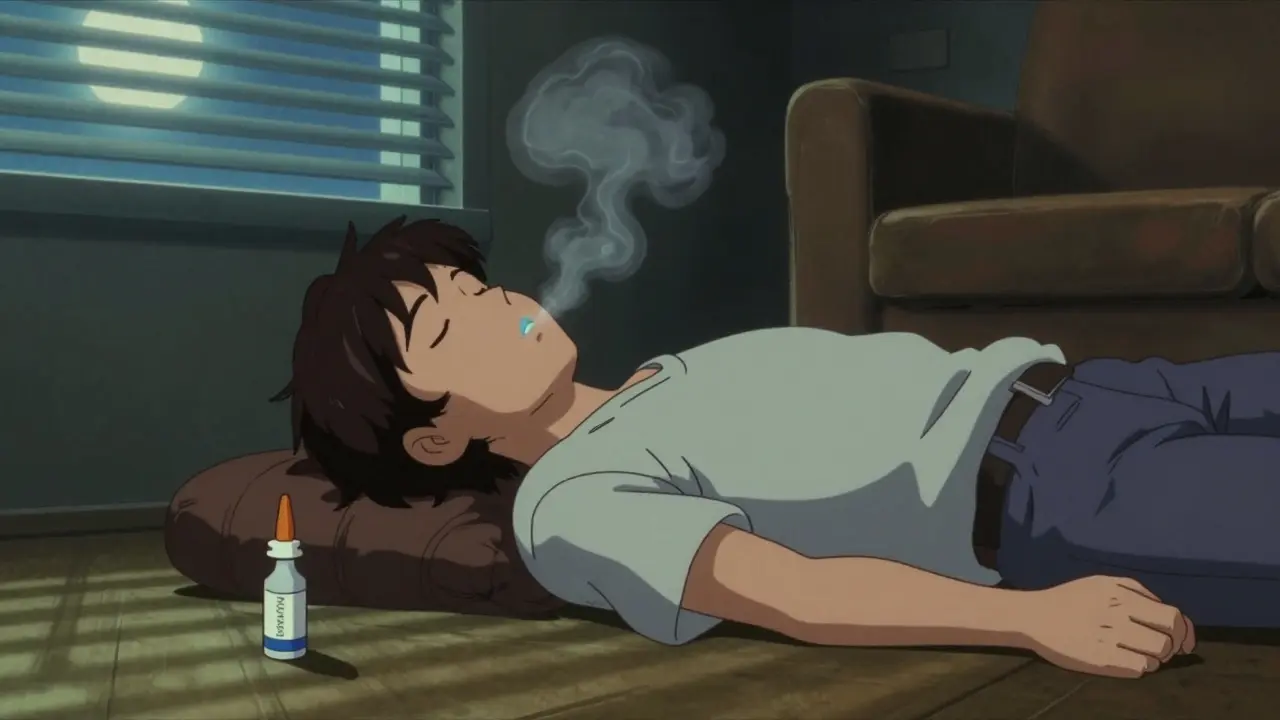
When someone takes too much of a medication-whether it’s a prescription painkiller, an over-the-counter pill, or something bought off the street-their body can’t handle it. This isn’t just a mistake. It’s a medical emergency that can kill in minutes. And the scary part? Many people don’t recognize the signs until it’s too late.
Every year in the U.S., over 100,000 people die from drug overdoses. Most of those deaths involve opioids like fentanyl, but overdoses can happen with anything: alcohol, benzodiazepines, stimulants, even common pain relievers like acetaminophen. The key isn’t knowing every drug on the market. It’s recognizing the common warning signs that scream: something is seriously wrong.
General Overdose Symptoms Everyone Should Know
No matter what substance is involved, some symptoms show up again and again. If you see even one of these, don’t wait. Call 911 immediately.
- Unresponsiveness-shaking them, shouting their name, rubbing their sternum-but they don’t wake up.
- Shallow, slow, or irregular breathing. If there’s more than 10 seconds between breaths, that’s a red flag.
- Blue or purple lips and fingernails. This means their body isn’t getting enough oxygen.
- Cold, clammy skin. Their body is shutting down.
- Gurgling or snoring sounds. This isn’t sleep-it’s air struggling to pass through a blocked airway.
- Vomiting while unconscious. This is dangerous because they can choke on it.
- Seizures or uncontrolled muscle spasms.
These aren’t vague signs. They’re life-or-death indicators. A 2022 CDC report found that in over 60% of fatal overdoses, the person was alone and no one recognized the symptoms in time.
Opioid Overdose: The Silent Killer
Opioids-including heroin, oxycodone, hydrocodone, and especially fentanyl-are the leading cause of overdose deaths. Fentanyl is so powerful that just two milligrams can kill. And it’s often hidden in pills that look like legitimate prescription meds.
The classic signs of an opioid overdose form what’s called the “opioid triad”:
- Pinpoint pupils-so small they look like pinpricks.
- Unconsciousness-no response to pain or loud noise.
- Slow or stopped breathing-fewer than 12 breaths per minute.
People often mistake this for deep sleep. They think, “They’re just passed out. Let them rest.” But opioid overdose doesn’t resolve on its own. Without oxygen, brain damage starts in under 3 minutes. Death follows quickly after.
Here’s what makes it even more dangerous: if someone hasn’t used opioids in a while-even just a week-their tolerance drops. A dose they used to handle easily can now kill them. That’s why relapse is one of the biggest risk factors.
Stimulant Overdose: When the Body Goes Into Overdrive
Not all overdoses slow you down. Stimulants like cocaine, methamphetamine, or even prescription ADHD meds can push the body into crisis mode.
Symptoms here are the opposite of opioids:
- Extreme agitation or paranoia-screaming, pacing, hallucinating.
- Very high body temperature (over 104°F/40°C). Skin may be hot and dry.
- Fast, irregular heartbeat or chest pain.
- Seizures.
- High blood pressure-systolic over 180 mmHg.
Stimulant overdoses can cause heart attacks, strokes, or organ failure. Unlike opioids, naloxone won’t help here. But time still matters. Cooling the body, calming the person, and getting them to emergency care can save their life.
Depressants and Alcohol: Slowing Down to a Stop
Depressants include alcohol, benzodiazepines (like Xanax or Valium), and barbiturates. They all work by slowing the central nervous system. Too much? It can shut down breathing.
Signs of a depressant overdose:
- Slurred speech that sounds like they’re drunk-even if they haven’t had alcohol.
- Lack of coordination-tripping, stumbling, can’t walk in a straight line.
- Confusion or extreme drowsiness.
- Vomiting while unconscious.
- Slow, shallow breathing.
Alcohol poisoning is the most common form of depressant overdose. The CDC says that in over half of fatal alcohol overdoses, the person was found vomiting while passed out. That’s because the brain stops controlling the gag reflex. They can choke to death.
Polysubstance Overdoses: The Hidden Danger
More than half of all overdose deaths in 2022 involved more than one drug. Often, it’s fentanyl mixed with cocaine or meth. People don’t know what they’re taking.
When drugs mix, symptoms get messy. Someone might have pinpoint pupils (opioid sign) but also a racing heart (stimulant sign). Or they’re unresponsive with seizures (a mix of depressant and stimulant). This makes it harder for even medics to know what to do.
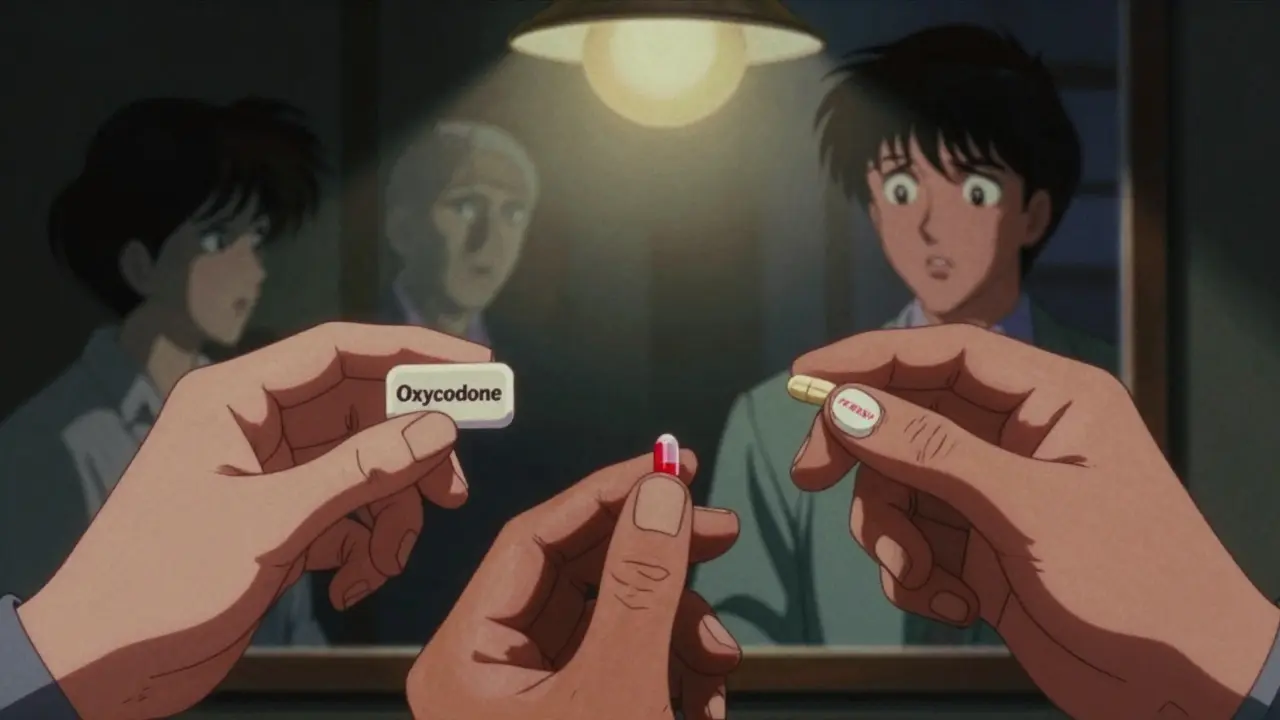
That’s why you should never assume you know what’s in a pill or powder. Fake pills with fentanyl look exactly like oxycodone or Xanax. And they’re deadly.
What to Do: Immediate Action Saves Lives
If you suspect an overdose, here’s what you do-no waiting, no second-guessing:
- Call 911. Say, “I think someone is overdosing.” Don’t hesitate. Every second counts.
- If you have naloxone, use it. Naloxone (brand name Narcan) is a nasal spray that reverses opioid overdoses. It’s safe, easy to use, and won’t hurt someone who didn’t take opioids. Give one spray into the nose. If they don’t respond in 2-3 minutes, give a second dose.
- Keep them breathing. If they’re not breathing, start rescue breathing. Tilt their head back, pinch the nose, give one breath every 5 seconds.
- Put them on their side. This stops them from choking if they vomit.
- Stay with them. Even if they wake up, they can crash again. Don’t let them “sleep it off.”
Never try to make them vomit. Never give them coffee or cold showers. Don’t leave them alone. These myths cost lives.
Prevention: Tools That Actually Work
Preventing overdose isn’t just about saying “no.” It’s about practical steps:
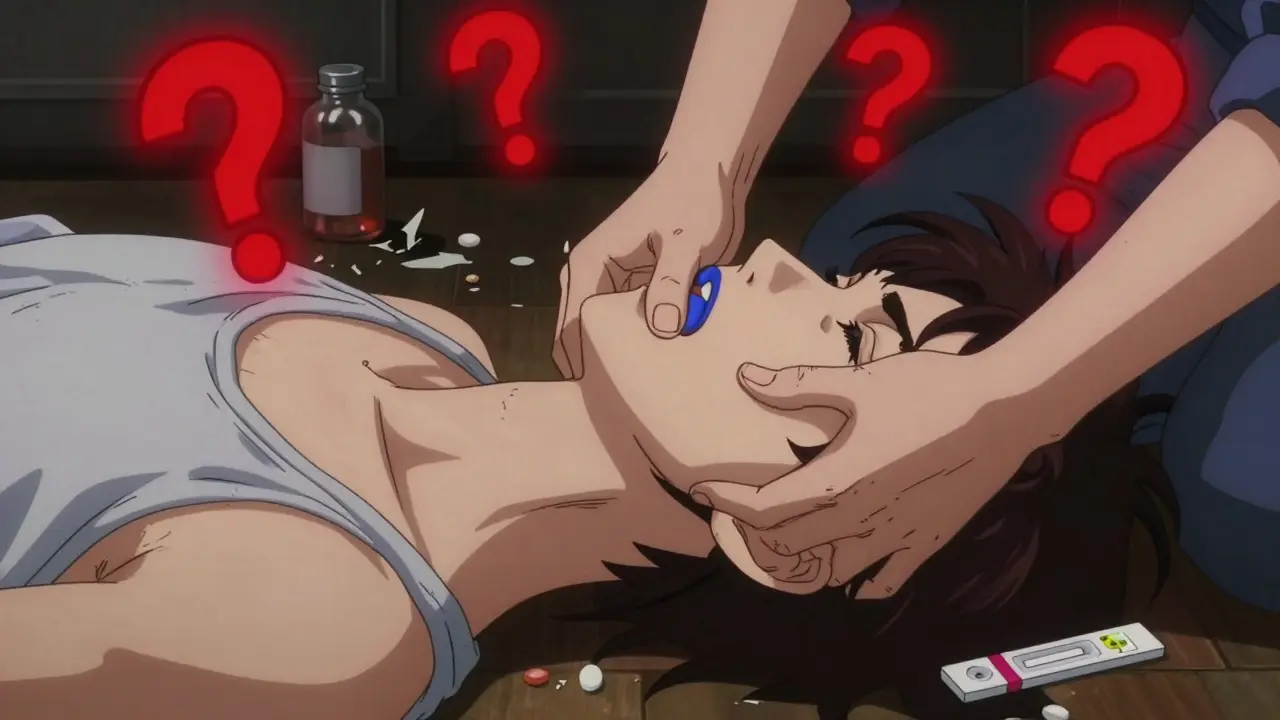
- Use fentanyl test strips. These cost a few dollars. You rub a small amount of powder on the strip. If it turns positive, don’t use it. In 2022, they found fentanyl in 67% of counterfeit pills tested.
- Get naloxone. It’s now available over the counter at pharmacies without a prescription. Keep one at home, in your car, or give one to a friend who uses drugs.
- Don’t use alone. Most overdoses happen solo. Use with someone who knows what to do.
- Know your tolerance. If you haven’t used in a week or more, start with half the dose you used to take.
Since naloxone became widely available, overdose death rates dropped by 14% in communities that distributed it. That’s not luck. That’s science.
What Not to Do
There are dangerous myths out there:
- “They’ll sleep it off.” False. Overdose doesn’t resolve on its own.
- “Put them in a cold shower.” This can cause shock or hypothermia.
- “They’re just drunk.” Alcohol and drugs mix dangerously. Don’t assume.
- “I don’t want to get in trouble.” In 47 U.S. states, including Alabama and Georgia, Good Samaritan laws protect you if you call 911 during an overdose. You won’t be arrested.
Calling 911 isn’t betrayal. It’s the most human thing you can do.
Can you overdose on over-the-counter medicine?
Yes. Acetaminophen (Tylenol) is the leading cause of accidental overdose in the U.S. Taking more than 4,000 milligrams in a day can cause liver failure. Even 2,000 mg with alcohol can be dangerous. Cold and flu pills often contain acetaminophen too-so you might accidentally double up.
Does naloxone work on all overdoses?
No. Naloxone only reverses overdoses from opioids like heroin, fentanyl, oxycodone, and morphine. It won’t help with stimulants (cocaine, meth), alcohol, or benzodiazepines. But if you’re unsure whether opioids are involved, it’s safe to give naloxone anyway-it won’t hurt someone who didn’t take them.
How long does naloxone last?
Naloxone works for 30 to 90 minutes. But many opioids, especially fentanyl, last longer. That’s why someone can relapse into overdose after naloxone wears off. Always call 911-even if they wake up. They need medical care.
Can you get naloxone without a prescription?
Yes. Since March 2023, the FDA approved Narcan nasal spray for over-the-counter sale. You can buy it at pharmacies like CVS, Walgreens, and Rite Aid without a prescription. Most cost between $40 and $50 for a two-dose kit.
What if I’m not sure it’s an overdose?
If someone is unresponsive, breathing abnormally, or showing blue lips or skin-call 911. It’s better to be wrong than to wait. Emergency responders are trained to handle this. You won’t be judged. Your call could save a life.
Final Thought: Be Ready
You don’t need to be a doctor to stop an overdose. You just need to know the signs, act fast, and not be afraid to call for help. Medication overdoses aren’t rare. They’re happening in homes, parks, and apartments across the country. And they’re preventable.
Keep naloxone in your bag. Know where to get fentanyl test strips. Talk to people you care about. This isn’t about judgment. It’s about survival.
Byron Boror
March 15, 2026 AT 10:07And don't get me started on fentanyl test strips - that's just enabling. If you're dumb enough to buy pills off the street, you deserve what you get.
Kandace Bennett
March 16, 2026 AT 12:05Thank you for laying this out so clearly - I printed it and taped it to my fridge next to my naloxone kit 🏳️🌈💖
Also!! Fentanyl test strips are a GAME CHANGER. I got mine at the corner pharmacy for $12 and now I test EVERYTHING. Even my friend’s 'Adderall' 😅
PS: You’re a hero. Send me your Venmo so I can buy you coffee ☕️❤️
Tim Schulz
March 16, 2026 AT 12:09Meanwhile, in 2024, we’ve turned overdose prevention into a TikTok trend. 'Hey girl, have you tried naloxone yet?'
Let me guess - next they’ll hand out Narcan with free kombucha at Whole Foods. 🙃
At least we’ve got Good Samaritan laws. Nothing says compassion like legal immunity for bad life choices.
Jinesh Jain
March 17, 2026 AT 00:48Also, I didn’t realize naloxone is available without a prescription in the US. That’s a big step.
douglas martinez
March 17, 2026 AT 09:04It is worth noting that while naloxone is a critical tool, it is not a substitute for comprehensive addiction treatment. The systemic underfunding of behavioral health services remains a critical gap in our public health infrastructure.
Sabrina Sanches
March 18, 2026 AT 14:02Also!! Fentanyl test strips are like magic!! I tested my friend’s 'Xanax' and it came back positive!! We threw it out!!
Don’t wait!! Just do it!!
Call 911!!
Use Narcan!!
Don’t leave them alone!!
It’s so simple!!
And you’re worth it!!
Shruti Chaturvedi
March 18, 2026 AT 15:11My sister used to take pills for anxiety
We didn’t know how dangerous it was
Now I carry naloxone
And I talk to people
Not to judge
But to help
Katherine Rodriguez
March 20, 2026 AT 11:16People die because they’re stupid. Not because we didn’t give them pamphlets.
Also I’m tired of being guilted into saving people who don’t want to be saved
My tax dollars are not for this
And why is everyone suddenly an expert after one Reddit post?
Devin Ersoy
March 22, 2026 AT 05:30Naloxone? Sure. But have you seen the merch? Narcan-branded tote bags. Fentanyl test strips with glitter accents. I’m pretty sure the CDC’s PR team got a raise after this campaign.
Meanwhile, the real problem? The pharmaceutical companies that flooded the market with opioids, then vanished when the lawsuits started. But nope - we’re gonna fix it by handing out nasal sprays like free samples at Costco.
Also - if you’re using fentanyl test strips, you’re already in the game. The real tragedy is the people who never even knew to ask.
Scott Smith
March 22, 2026 AT 06:35None of this is about blame. It’s about awareness. If you read this and remember one thing - it’s this: If someone is unresponsive and breathing weird - call 911. Don’t wait. Don’t doubt. Don’t think they’ll wake up.
You’re not making a scene. You’re saving a life.
Byron Boror
March 23, 2026 AT 19:09