
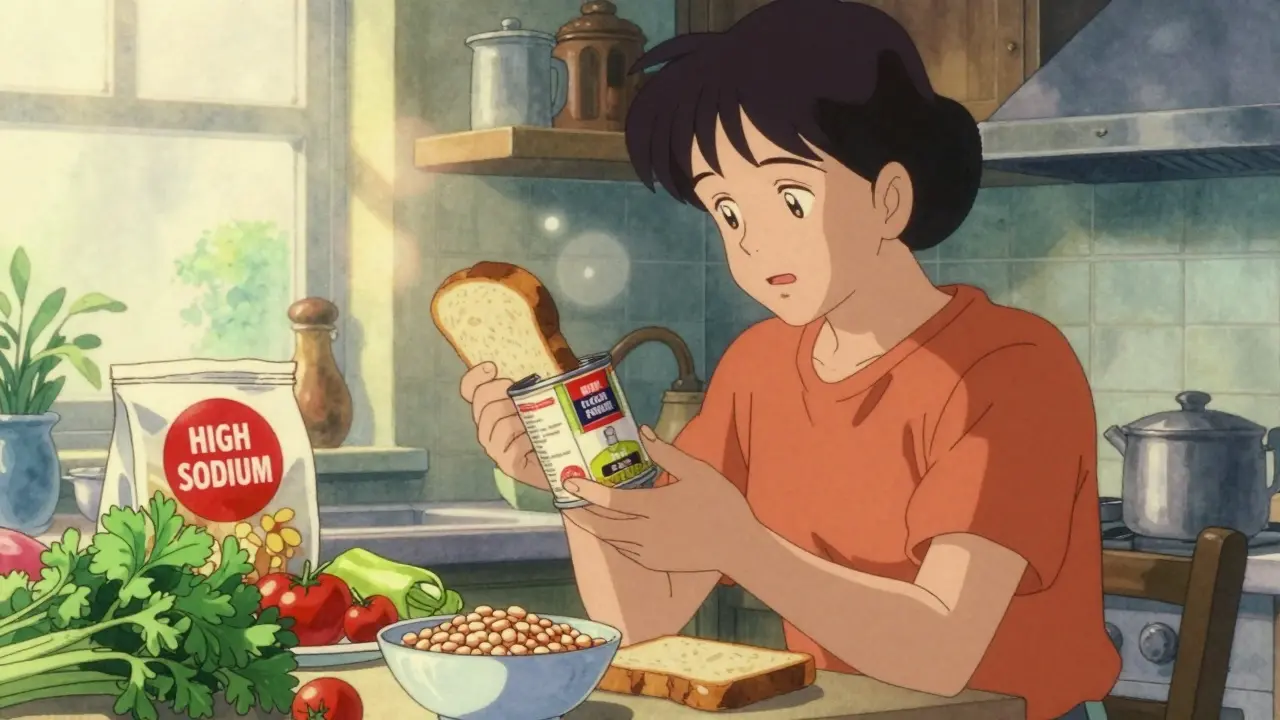
Sodium is everywhere-in bread, soup, canned beans, deli meats, and even sweet snacks like granola bars. For people with high blood pressure, cutting back isn’t just a suggestion; it’s a medical necessity. But how do you actually do it when salt is hiding in plain sight? The answer isn’t about banning salt shakers. It’s about changing what you eat, how you cook, and what you choose when you’re not cooking at all.
Why Sodium Raises Blood Pressure
Your body needs a little sodium to work properly-nerve signals, muscle contractions, fluid balance. But most people eat far more than they need. When you consume too much, your kidneys struggle to flush it out. The excess sodium pulls water into your bloodstream, increasing blood volume. That extra fluid pushes harder against your artery walls, raising your blood pressure. Over time, this extra strain damages arteries, stiffens blood vessels, and forces your heart to work harder. Research from the American Heart Association and World Health Organization confirms this link. A 2023 study in JAMA found that just one week of eating low-sodium meals dropped systolic blood pressure by an average of 8 mm Hg in middle-aged and older adults. Even more telling: 73% of participants saw a drop in mean arterial pressure, and nearly half were classified as “salt sensitive”-meaning their blood pressure reacted strongly to sodium changes. The effect is even stronger in people who already have hypertension. Reducing sodium by about 1.75 grams per day (roughly 3/4 teaspoon of salt) can lower systolic pressure by 5.4 mm Hg and diastolic by 2.8 mm Hg. That’s not a small change-it’s the kind of improvement that can reduce your risk of stroke and heart attack.Where Most Sodium Really Comes From
You might think the salt shaker is your enemy. It’s not. Around 70% of the sodium in the average Western diet comes from packaged, processed, and restaurant foods. That’s the real problem. A single fast-food burger can contain 1,500 mg of sodium. A bowl of canned soup? Often over 800 mg. Even “healthy” options like pre-packaged salads with bottled dressing and croutons can hit 1,200 mg. Meanwhile, a home-cooked meal using fresh ingredients might only have 400-600 mg. That’s why simply avoiding table salt won’t fix things. You need to change your food choices. Start reading labels. Look for “sodium” on the nutrition facts panel. The FDA now requires labels to bold the percentage of daily value based on a 2,300 mg limit. If a food has more than 20% of that per serving, it’s high. If it’s under 5%, it’s low.How to Cut Back Without Sacrificing Flavor
The biggest myth about low-sodium eating is that it tastes bland. It doesn’t have to. Start by replacing salt with other flavor boosters. Lemon juice, vinegar (balsamic, apple cider), garlic, onion, black pepper, cumin, smoked paprika, fresh herbs like basil, cilantro, and rosemary-all of these add depth without sodium. Try a sprinkle of Mrs. Dash or similar salt-free blends. They can knock 300-500 mg off a single meal. Gradual change works better than going cold turkey. If you usually add a teaspoon of salt to pasta water, cut it to three-quarters. Next week, half. In a month, you’ll barely notice it’s gone. Your taste buds adapt. One Reddit user wrote: “It took three weeks, but now my favorite takeout tastes way too salty. I don’t even want it anymore.” Batch-cooking on weekends helps too. Make a big pot of chili with no-salt-added beans, fresh tomatoes, and spices. Portion it out. You’ve got low-sodium meals ready for the week. That saves time and money-fresh food costs about $1.25 more per meal than processed, but cooking at home cuts that gap fast.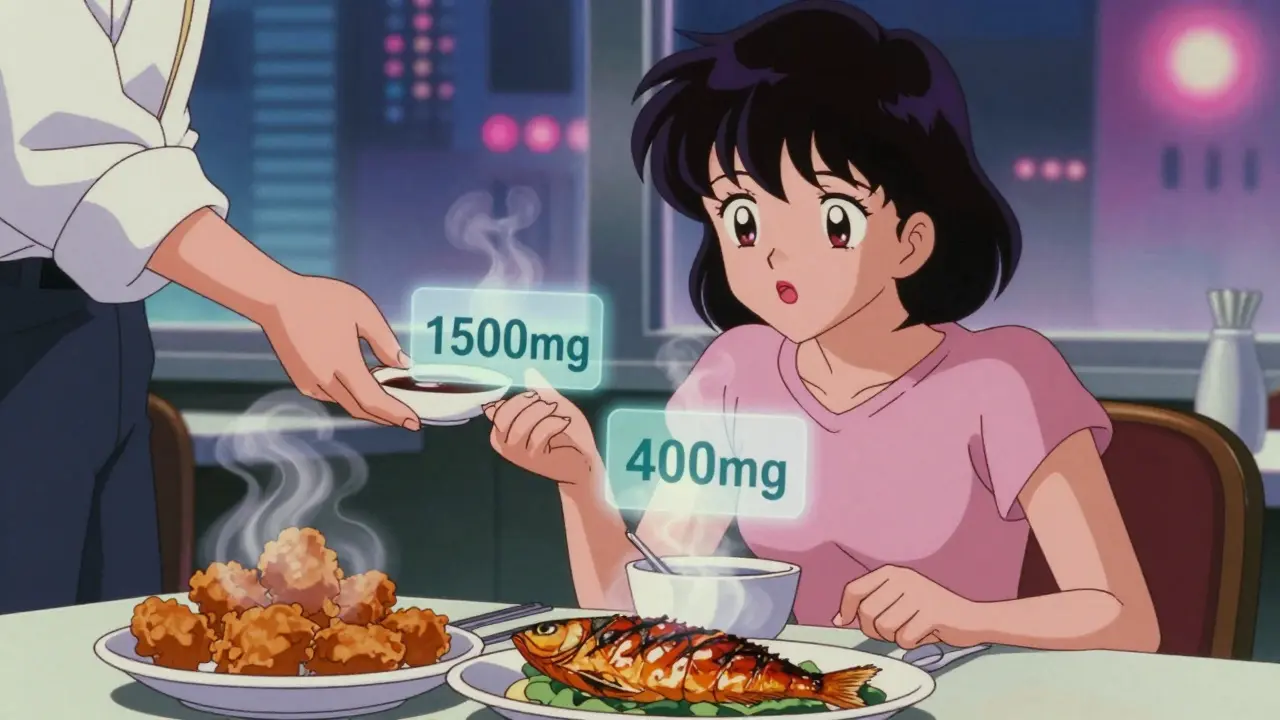
The DASH Diet: Proven, Practical, and Powerful
The Dietary Approaches to Stop Hypertension (DASH) diet isn’t a fad. It’s one of the most studied eating plans in cardiology. Developed by the National Institutes of Health, it’s rich in fruits, vegetables, whole grains, lean proteins, nuts, and low-fat dairy-all foods naturally low in sodium and high in potassium, magnesium, and fiber. Studies show the DASH diet alone can lower systolic blood pressure by 8-14 mm Hg. When combined with sodium reduction, the effect is even stronger. The 2022 OmniHeart Trial found that swapping some carbs for protein or healthy fats in a DASH-style plan boosted the benefits further. You don’t need to go full DASH overnight. Start with one change: swap white bread for whole grain. Add a serving of spinach or kale to your lunch. Choose plain yogurt instead of flavored. These small steps add up.Eating Out Without Derailling Your Goals
Restaurant food is a sodium minefield. But you can still eat out and stay on track. Ask for sauces and dressings on the side. That simple request can cut 300-500 mg per meal. Skip the fried options-grilled chicken or fish saves 200-400 mg. Avoid “healthy” traps like Caesar salads with croutons and parmesan, or wraps with processed cheese. Those can have more sodium than a cheeseburger. Look for keywords on menus: “no salt added,” “fresh,” “grilled,” “steamed.” If it says “seasoned,” “marinated,” or “crispy,” assume it’s loaded. Don’t be shy to ask the server: “Can you prepare this without added salt?” Most kitchens will accommodate.Who Needs to Be Extra Careful?
Not everyone responds to sodium the same way. About half of people with high blood pressure and a quarter of those with normal pressure are “salt sensitive.” Their blood pressure rises sharply with sodium intake and drops noticeably when they cut back. Genetics play a role. Researchers have identified over 15 genetic variants linked to salt sensitivity. If your family has a history of early hypertension or stroke, you’re more likely to be sensitive. But there’s a flip side. A small group-about 5% of people in studies-experience the opposite: their blood pressure actually rises when they cut sodium too low. This is rare, but it’s why blanket advice like “eat as little salt as possible” isn’t always right. The European Society of Cardiology calls this a J-shaped curve: too much salt is bad, too little might be risky for some. For most people, the sweet spot is 1,500-2,300 mg per day. The American Heart Association says 1,500 mg is ideal. The WHO says 2,000 mg is the max. Either way, if you’re eating mostly whole foods, you’ll naturally land in that range.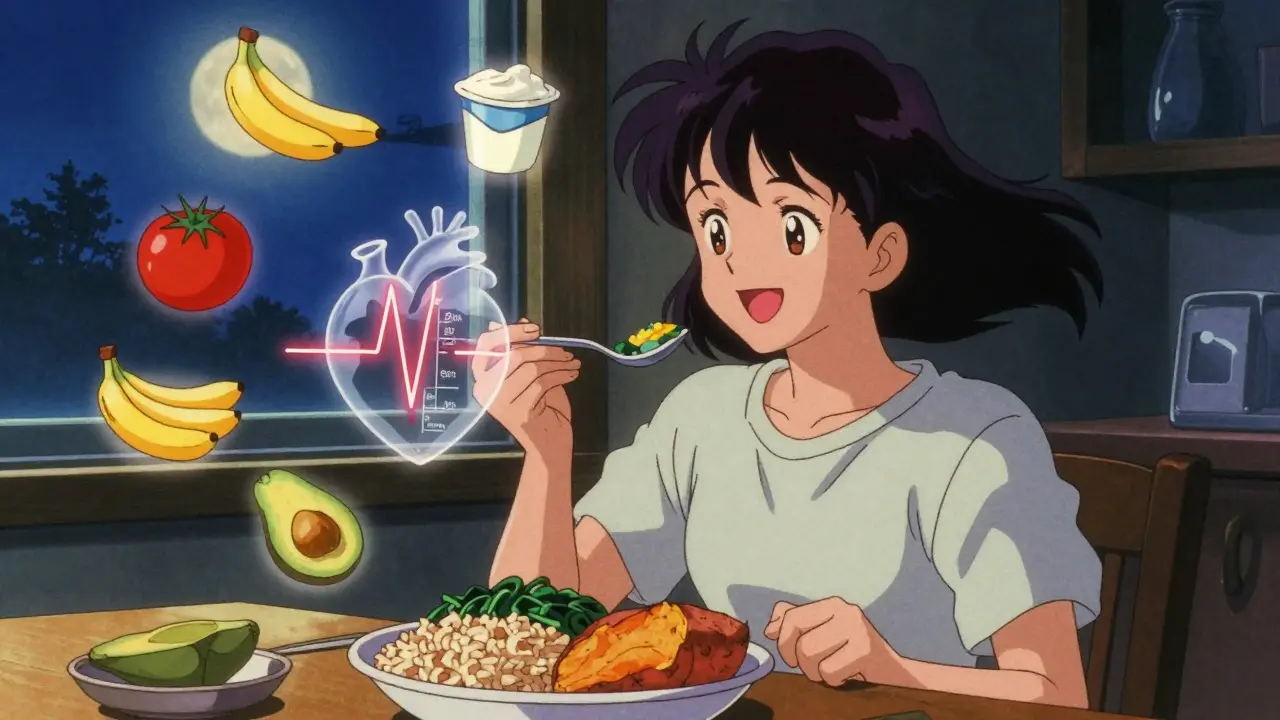
Henriette Barrows
December 31, 2025 AT 07:26Just switched to no-salt-added beans and fresh herbs last week-my chili tastes way more alive now. Who knew mushrooms could be this flavorful without a pinch of salt? My blood pressure monitor hasn’t stopped smiling since.
Alex Ronald
January 2, 2026 AT 03:53For anyone thinking DASH is too rigid-start with swapping one thing. I replaced my morning cereal with oatmeal + banana + cinnamon. No sugar, no salt, no guilt. Two weeks in, my energy’s up, my cravings are down. It’s not a diet, it’s a reset.
Lisa Dore
January 2, 2026 AT 19:00My mom’s 72 and has had hypertension since 50. She started cooking from scratch after reading this. Now she makes huge pots of lentil stew with turmeric, garlic, and lemon zest. Says it tastes like home again-not like a hospital meal. Small changes, big love.
Sharleen Luciano
January 4, 2026 AT 05:33It’s amusing how people treat sodium like it’s the devil when the real issue is their reliance on corporate food systems. If you’re eating processed stuff, you’re not ‘cutting back’-you’re just swapping one scam for another. Real food doesn’t come in a box with a nutrition label.
Russell Thomas
January 6, 2026 AT 02:27So let me get this straight-you’re telling me I can’t have my $3.99 bacon cheeseburger anymore? What’s next, they’ll make me chew my food 37 times? I’m pretty sure my heart doesn’t care if I season it with salt or existential dread.
Jasmine Yule
January 6, 2026 AT 07:54I used to think low-sodium meant bland food. Then I tried smoked paprika + lime + cilantro on grilled fish. Holy crap. I didn’t miss salt at all. Turns out my taste buds were just asleep. Thanks for the wake-up call.
Himanshu Singh
January 7, 2026 AT 01:33i just startd reeding labels and holy sh*t. i had no idea my ‘healthy’ granola had 400mg per servin. im gonna make my own next week. thx for the tips!
Jim Rice
January 8, 2026 AT 15:27You people act like sodium is the enemy. Ever heard of potassium? Or adrenal function? Or that some of you are probably fine with salt? This whole ‘salt is poison’ narrative is a corporate ploy to sell you $12 salt-free spice blends. Wake up.
Greg Quinn
January 9, 2026 AT 03:35It’s funny how we treat food like a math problem-grams of sodium, millimeters of mercury. But eating is a ritual. A connection. Maybe the real fix isn’t cutting salt, but slowing down, cooking with hands, tasting what’s real. The numbers follow the intention.
Teresa Rodriguez leon
January 10, 2026 AT 13:44I’ve been doing this for 14 months. My BP went from 158/96 to 118/74. No meds. Just whole foods, no processed crap. And yes, I cried the first time I tasted a ripe tomato without salt. It was beautiful. And painful. And worth it.
Paige Shipe
January 11, 2026 AT 04:24People who don’t track their sodium intake are just gambling with their organs. If you’re not logging every bite, you’re not serious. And if you think ‘a little salt’ doesn’t add up-you’re the reason hospitals are full.
Nicole K.
January 13, 2026 AT 04:11If you eat processed food, you’re stupid. No excuse. You’re poisoning yourself and your kids. Just stop. Buy vegetables. Cook. Done.
Manan Pandya
January 13, 2026 AT 04:17For those struggling with consistency: try meal prepping on Sundays. I cook 4 batches: quinoa, roasted veggies, black beans, grilled chicken. Mix and match all week. Takes 90 minutes. Saves $120 and 1000+ mg sodium. It’s not hard-it’s just new.
Sharleen Luciano
January 14, 2026 AT 12:33Wow. So someone actually listened to the DASH diet instead of just scrolling past it to buy another ‘low-sodium’ snack that’s just sugar and chemicals in disguise. Bravo. Maybe now you’ll stop trusting marketing departments with your health.