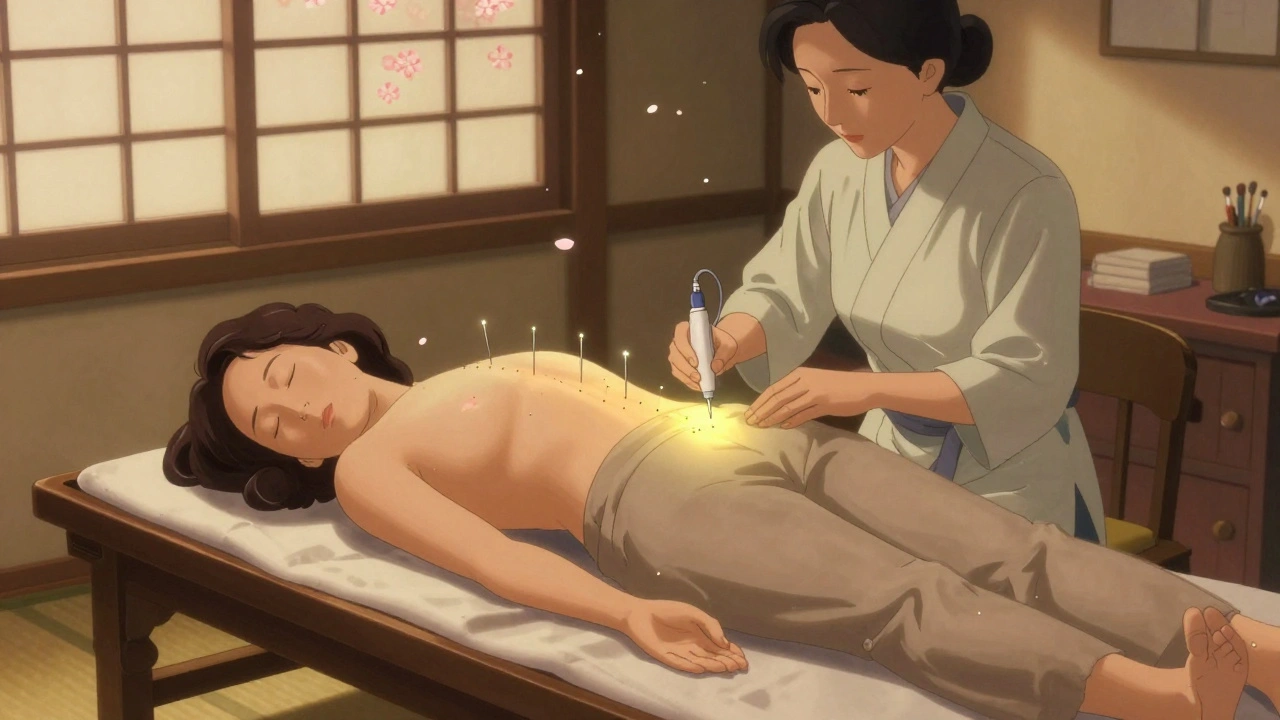
Acupuncture Clinical Evidence: What Science Says About Its Effectiveness
When you hear acupuncture clinical evidence, the body of research examining whether inserting thin needles into specific points on the body produces measurable health benefits. Also known as evidence-based acupuncture, it’s not just ancient tradition—it’s a practice tested in hospitals, clinics, and randomized trials across the globe. Millions use it for chronic pain, migraines, and even nausea from chemotherapy. But does it actually work, or is it placebo? The answer isn’t simple, and that’s exactly why the data matters.
The strongest acupuncture effectiveness, the degree to which acupuncture reduces symptoms compared to no treatment or sham procedures shows up in pain management. A 2012 analysis of nearly 18,000 patients in the Archives of Internal Medicine found acupuncture significantly outperformed both no treatment and fake needle procedures for back pain, osteoarthritis, and headaches. That’s not a small effect—it’s comparable to standard pain meds, without the side effects. For nausea, especially after surgery or during cancer treatment, the traditional Chinese medicine, a system of healing practices including acupuncture, herbal remedies, and energy flow concepts like qi approach has been endorsed by the NIH and WHO for decades. But for other conditions—like depression, infertility, or weight loss—the evidence is thin, mixed, or just missing.
Here’s the catch: acupuncture’s effects aren’t always about magic points or energy channels. Some studies suggest the needles trigger nerve signals that release natural painkillers like endorphins. Others show it might calm overactive brain areas linked to chronic pain. Even sham acupuncture—where needles don’t go in the right spots—sometimes helps. That doesn’t mean it’s fake. It means the ritual, the attention, the relaxation might be part of the cure. But when real acupuncture beats sham in head-to-head trials, you know the technique itself adds something real.
What you won’t find in most reviews is how inconsistent the practice is. A needle placed two millimeters off can make a difference. Practitioner skill, session length, frequency, and even the type of needle matter. That’s why some studies look good and others don’t—it’s not just about acupuncture. It’s about how it’s done. The best clinical evidence doesn’t just ask if it works. It asks: for whom, under what conditions, and with what level of expertise?
Below, you’ll find real stories and data-driven posts that break down what the research actually says—not the hype, not the fear, just what’s been measured, tested, and repeated. From how acupuncture stacks up against physical therapy for knee pain, to why some patients swear by it while others feel nothing, these articles give you the facts you need to decide if it’s right for you.