Acupuncture for Pain: What Works, What Doesn’t, and What to Expect
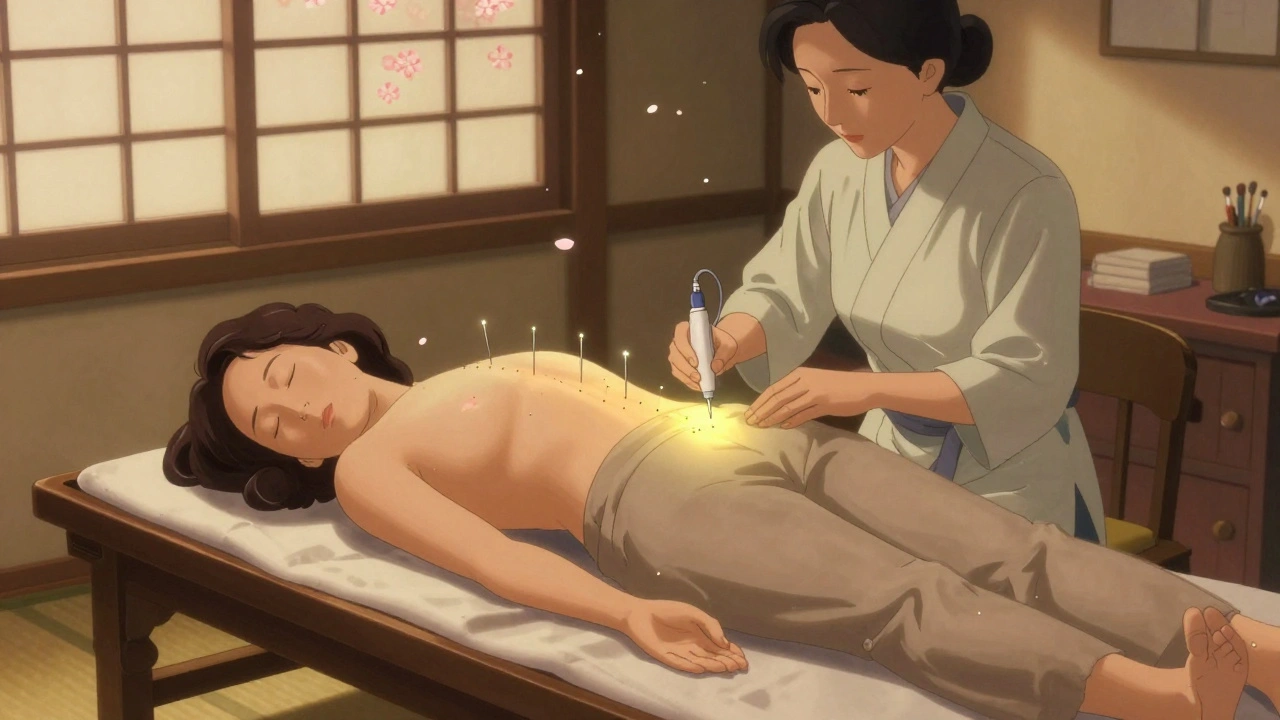
When you’re stuck with acupuncture for pain, a therapy using thin needles to stimulate specific points on the body, often rooted in traditional Chinese medicine. Also known as needle therapy, it’s one of the most studied alternative treatments for chronic discomfort. It’s not magic—it’s biology. Studies show it can help reduce pain by triggering the release of natural painkillers like endorphins and changing how your brain processes pain signals. Unlike pills that mask symptoms, acupuncture works with your body’s own systems to bring relief.
People use it for chronic pain management, a long-term approach to reducing persistent discomfort without relying solely on medication—especially for back pain, arthritis, migraines, and neck tension. It’s not a cure-all, but for many, it cuts down the need for opioids or NSAIDs. A 2020 analysis of over 20,000 patients found acupuncture was more effective than fake needles or no treatment at all for chronic pain. The difference wasn’t huge, but it was real—and lasting for some.
Not everyone responds the same. If you’ve tried heat, massage, or physical therapy and still hurt, acupuncture might be worth exploring. It’s low-risk when done by a licensed provider. Side effects? Minor bruising or soreness, nothing dangerous. But it’s not a quick fix. Most people need 6–12 sessions over weeks to feel real change. And it works best when paired with movement, stress reduction, or better sleep—not as a standalone fix.
There’s also traditional Chinese medicine, a holistic system that includes acupuncture, herbs, and lifestyle advice to restore balance in the body. While Western science focuses on nerves and chemicals, TCM looks at energy flow—called qi. You don’t need to believe in qi to benefit from the needles. Think of it like this: whether you see it as stimulating nerves or unblocking energy, the outcome can be the same—less pain.
Some clinics push acupuncture as a cure for everything from anxiety to infertility. Don’t fall for that. The strongest evidence is for physical pain. If your pain is from nerve damage, joint wear, or muscle strain, acupuncture has a solid track record. If it’s from an untreated infection or tumor, it won’t help—and you need real medicine.
What you’ll find in the posts below isn’t theory. It’s real-world insight from people who’ve tried acupuncture for pain, doctors who’ve seen results, and studies that cut through the noise. You’ll learn how to pick a good practitioner, what to expect during your first session, and why some people swear by it while others feel nothing. No fluff. No marketing. Just what works—and what doesn’t—for real people dealing with real pain.