Cannabis Drug Interactions: What You Need to Know Before Mixing with Medications
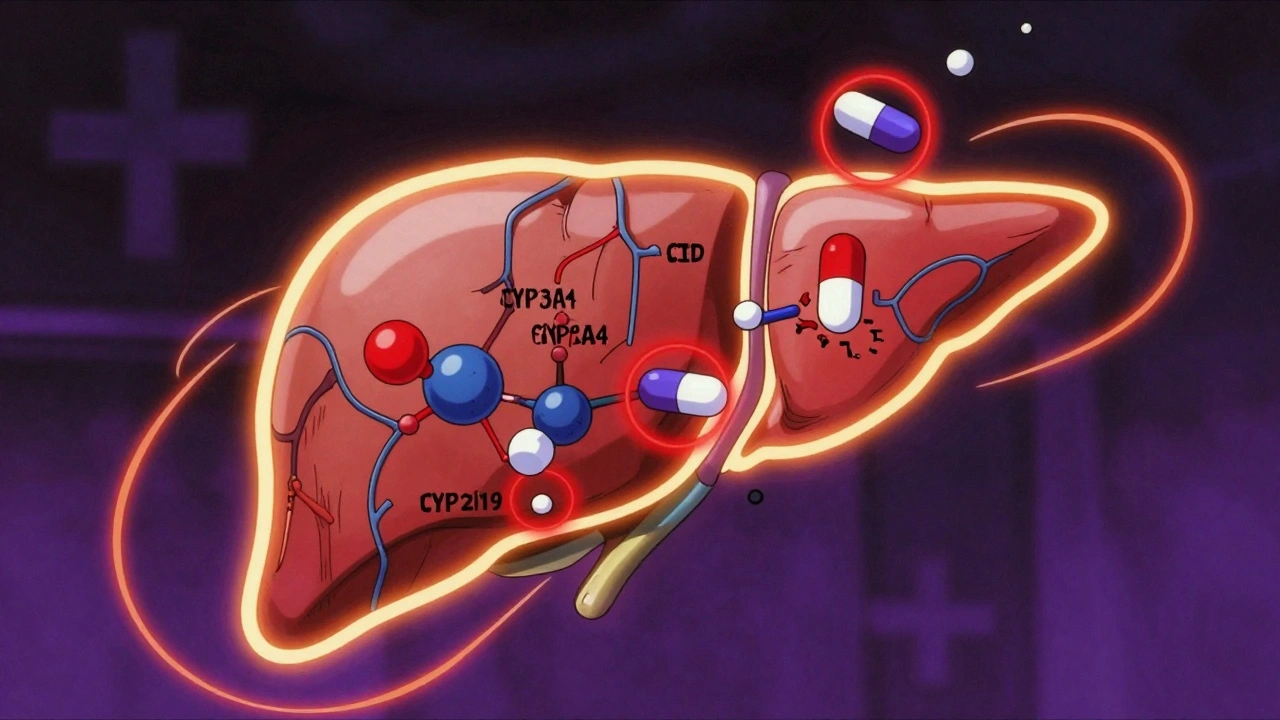
When you use cannabis, a plant-based substance containing THC and CBD that affects the brain and body. Also known as marijuana, it's used for pain, anxiety, sleep, and more—but it doesn't play nice with every medication you're taking. Many people assume because cannabis is natural, it’s safe to mix with prescriptions. That’s not true. Cannabis interacts with liver enzymes that break down over 60% of common drugs, which can make them too strong, too weak, or cause dangerous side effects you didn’t expect.
THC, the main psychoactive compound in cannabis can boost the effects of sedatives like benzodiazepines or opioids, raising your risk of dizziness, slow breathing, or even overdose. CBD, a non-intoxicating compound often sold as a supplement works differently—it blocks the same liver enzymes used by blood thinners like warfarin, statins, and some antidepressants. This means your body can’t clear those drugs properly, leading to buildup. One study found CBD increased blood levels of the epilepsy drug clobazam by up to 300%. If you’re on any prescription, that’s not a small thing.
It’s not just about pills. Cannabis can make blood pressure meds less effective, cause your heart to race when mixed with stimulants, or worsen drowsiness when combined with antihistamines or sleep aids. People on thyroid meds like levothyroxine, or those taking antifungals and statins, should be especially careful—cannabis can mess with how these drugs are processed. Even over-the-counter pain relievers aren’t always safe. Mixing cannabis with NSAIDs like ibuprofen might increase stomach bleeding risk. And if you’re on anything for mental health—SSRIs, SNRIs, or antipsychotics—cannabis can change how they work, sometimes making anxiety or depression worse.
You won’t always know it’s happening. There’s no warning label on your weed, and most doctors don’t ask about it unless you bring it up. But if you’ve noticed new dizziness after starting CBD oil, or your pain meds suddenly stopped working, or your blood thinners need more frequent checks—cannabis could be the hidden cause. The good news? You don’t have to quit. You just need to talk to your pharmacist or doctor, get your meds reviewed, and track how you feel. Small changes in dosage or timing can make a big difference.
Below, you’ll find real-world examples of how cannabis affects common medications, what symptoms to watch for, and how to stay safe without giving up what helps you feel better. This isn’t about fear—it’s about control. Know the risks. Know your body. Know your meds.