CBD and Medications: What You Need to Know About Interactions and Safety
When you take CBD, a compound derived from cannabis that’s used for pain, anxiety, and sleep, and is not regulated like prescription drugs. Also known as cannabidiol, it can change how your body processes other medicines—sometimes in ways that aren’t obvious until it’s too late. Unlike alcohol or grapefruit juice, which most people know to avoid with certain pills, CBD sneaks in quietly. It doesn’t make you high, but it does mess with your liver’s ability to break down drugs. That’s why people on blood thinners, antidepressants, or seizure meds need to pay attention.
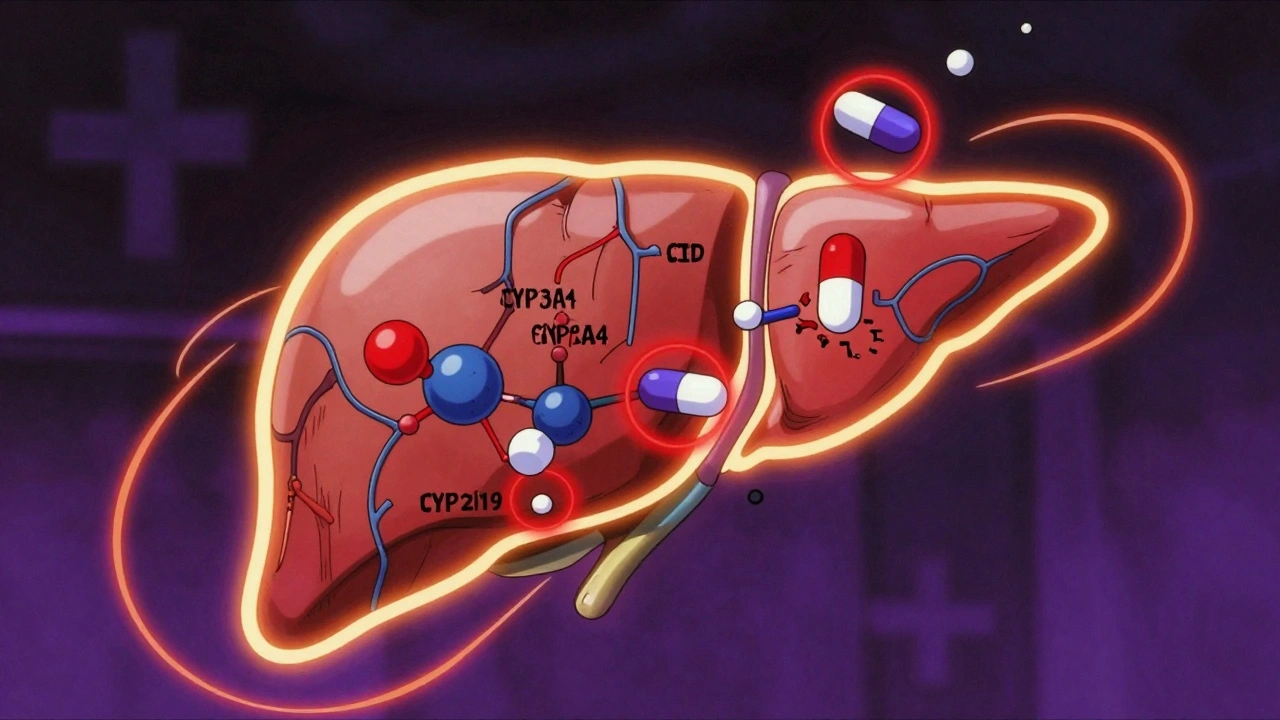
One major player here is the cytochrome P450 enzyme system, a group of liver enzymes responsible for metabolizing over 60% of all prescription drugs. CBD blocks these enzymes. That means if you’re taking levothyroxine, a thyroid hormone replacement that needs consistent absorption to work. or statins, cholesterol-lowering drugs that can cause muscle damage if levels get too high. your body might not clear them properly. This can lead to side effects you didn’t sign up for—dizziness, fatigue, even liver stress. A 2020 study in the Journal of Clinical Pharmacology found that CBD increased blood levels of the anti-seizure drug clobazam by up to 60% in children, forcing doctors to lower the dose. The same thing can happen with blood thinners like warfarin, where even a small change can mean bleeding or clots.
It’s not just about liver enzymes. CBD can also make you drowsy, which adds up when you’re already taking antihistamines, like Benadryl, that cause sleepiness. Or if you’re on opioids, painkillers that slow breathing. Adding CBD on top? That’s a recipe for dangerous sedation. And if you’re using SGLT2 inhibitors, diabetes drugs linked to a rare but serious condition called euDKA. CBD’s effect on metabolism could make it harder to spot warning signs.
You can’t just guess your way through this. If you’re on any prescription, talk to your pharmacist before trying CBD. They see drug interactions every day. Don’t assume ‘natural’ means safe. A lot of people think CBD is harmless because it’s sold in gas stations and online. But if your medication has a warning about grapefruit, it probably has a warning about CBD too. The FDA doesn’t test CBD products for purity or strength, so you don’t even know how much you’re really taking. One bottle might have 10mg per drop. Another might have 50mg. And neither label is guaranteed to be accurate.
There’s no one-size-fits-all answer. Some people use CBD with no issues. Others end up in the ER. The difference? Awareness. If you’re taking thyroid meds, blood pressure pills, antidepressants, or anything that affects your liver or central nervous system, you need to treat CBD like a drug—not a supplement. Keep a log: what you take, when, and how you feel. Bring it to your doctor. Don’t wait for a side effect to happen before you ask. The best time to talk is before you start.
Below, you’ll find real stories and facts from people who’ve been there—how CBD affected their meds, what went wrong, and what they learned the hard way. No fluff. Just what you need to know to stay safe.