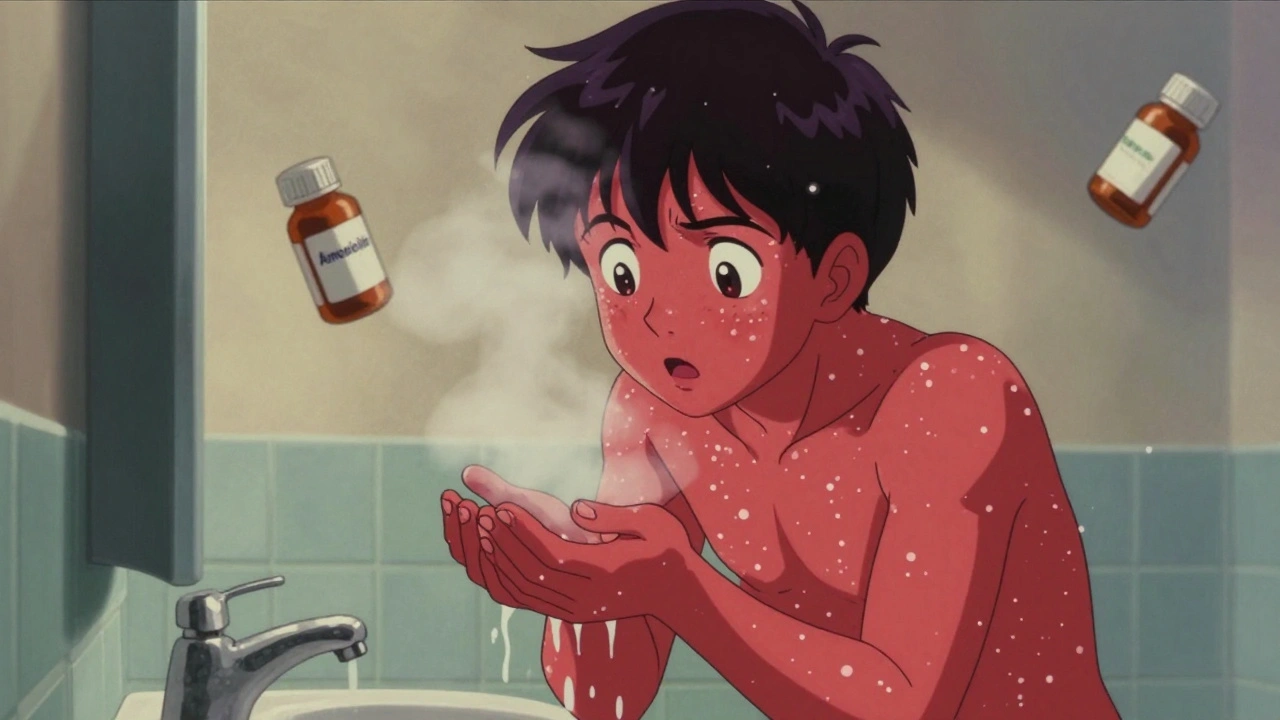
Cutaneous Adverse Reaction: What You Need to Know About Skin Reactions to Medications
When your skin breaks out in a rash after starting a new pill, it’s not always just an allergy—it could be a cutaneous adverse reaction, a skin response triggered by medication that ranges from mild irritation to life-threatening conditions. Also known as drug-induced skin reaction, this is one of the most frequent reasons people stop taking prescribed drugs—or end up in the emergency room. These reactions don’t always show up right away. Some appear days or even weeks after you start a medication, making them easy to miss or misattribute to something else.
Not all skin reactions are the same. A simple itchy red patch might be harmless, but blistering, peeling skin, or widespread rash with fever could signal something far more dangerous like Stevens-Johnson Syndrome, a severe immune reaction often caused by antibiotics, seizure meds, or painkillers. Or it could be Drug Reaction with Eosinophilia and Systemic Symptoms (DRESS), a delayed reaction that affects multiple organs and can be fatal if not caught early. These aren’t rare oddities—they’re documented in post-marketing surveillance systems that track how real patients respond after drugs hit the market.
Some medications are far more likely to cause these reactions than others. Antibiotics like sulfonamides, anticonvulsants like carbamazepine, and NSAIDs like ibuprofen top the list. But even common drugs like statins or antidepressants can trigger rashes in sensitive people. What makes it tricky is that the same drug might cause a mild rash in one person and a full-blown crisis in another. Your genetics, age, other medications, and even how long you’ve been taking the drug all play a role.
Most people don’t realize they can help track these reactions. When you notice a new rash after starting a pill, writing down the date, the drug name, and how it progressed isn’t just helpful for your doctor—it feeds into global pharmacovigilance systems that protect millions. These systems found that certain drugs linked to rare skin reactions were being prescribed too widely, leading to updated warnings and safer prescribing practices.
You don’t need to panic every time you get a minor itch. But if your rash spreads fast, blisters, involves your mouth or eyes, or comes with fever, fatigue, or swollen lymph nodes, don’t wait. Stop the suspected medication and get checked. Many of these reactions are reversible if caught early. The key is recognizing the warning signs before they escalate.
Below, you’ll find real stories and science-backed insights from people who’ve dealt with these reactions—from mild cases that resolved on their own to life-threatening events that changed how they take medication forever. You’ll learn which drugs are most likely to cause trouble, how to tell if it’s serious, and what steps to take if your skin starts acting up after a new prescription.