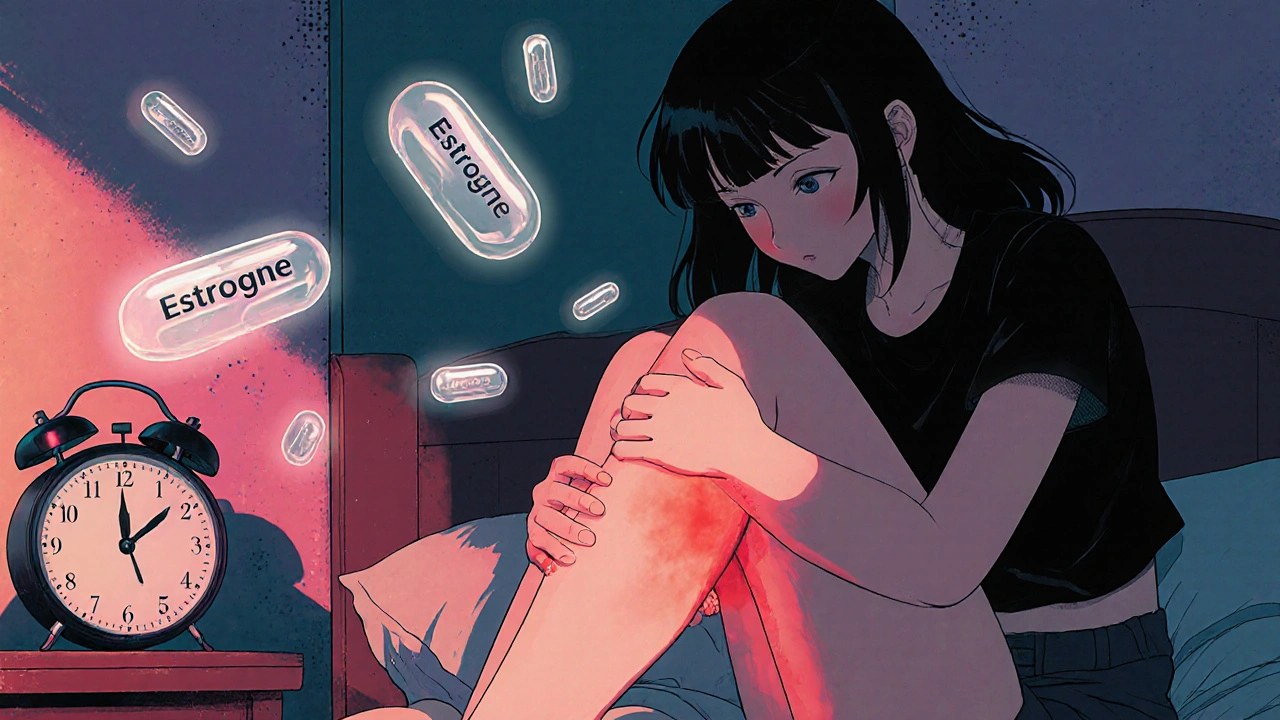
Drug-Induced Thrombosis: Causes, Risks, and What You Can Do
When a medication triggers a dangerous blood clot, it’s called drug-induced thrombosis, a blood clot caused by a drug rather than injury or genetics. Also known as medication-related thrombosis, it’s not rare—and it’s often missed because symptoms look like something else. Think of it this way: your pill is meant to help, but sometimes it accidentally tells your blood to thicken when it shouldn’t. This isn’t just about rare drugs. Even common ones like birth control, hormone therapy, certain cancer treatments, and even some antibiotics can do it.
Drug interactions, when two or more medications change how each other works in your body are a big part of why this happens. For example, mixing an antifungal like itraconazole with a statin doesn’t just hurt your muscles—it can mess with your clotting system too. And anticoagulant side effects, when blood thinners don’t work right or are stopped too soon can leave you vulnerable. If you’ve been on a new drug and suddenly feel swelling in one leg, unexplained chest pain, or shortness of breath, don’t wait. These aren’t normal side effects—they’re red flags.
What’s tricky is that drug-induced thrombosis doesn’t always come with warning labels. Some drugs cause it only in people with hidden risk factors—like a genetic tendency, recent surgery, or even long flights. Others build up over time. You might take a pill for months before anything happens. That’s why knowing your own body matters more than ever. If you’ve had a clot before, or if your family has a history of them, tell your doctor before starting anything new. And if you’re on multiple meds, ask: "Could any of these be making my blood stickier?" It’s not paranoia—it’s smart.
Below, you’ll find real stories and data from people who’ve dealt with this. Some found out too late. Others caught it early because they asked the right questions. You’ll see which drugs are most often linked to clots, how to spot the early signs, and what steps you can take—even if you can’t stop taking the medicine. This isn’t about scaring you. It’s about giving you the facts so you can protect yourself.