Drug Rash: What Causes It, How to Spot It, and What to Do Next
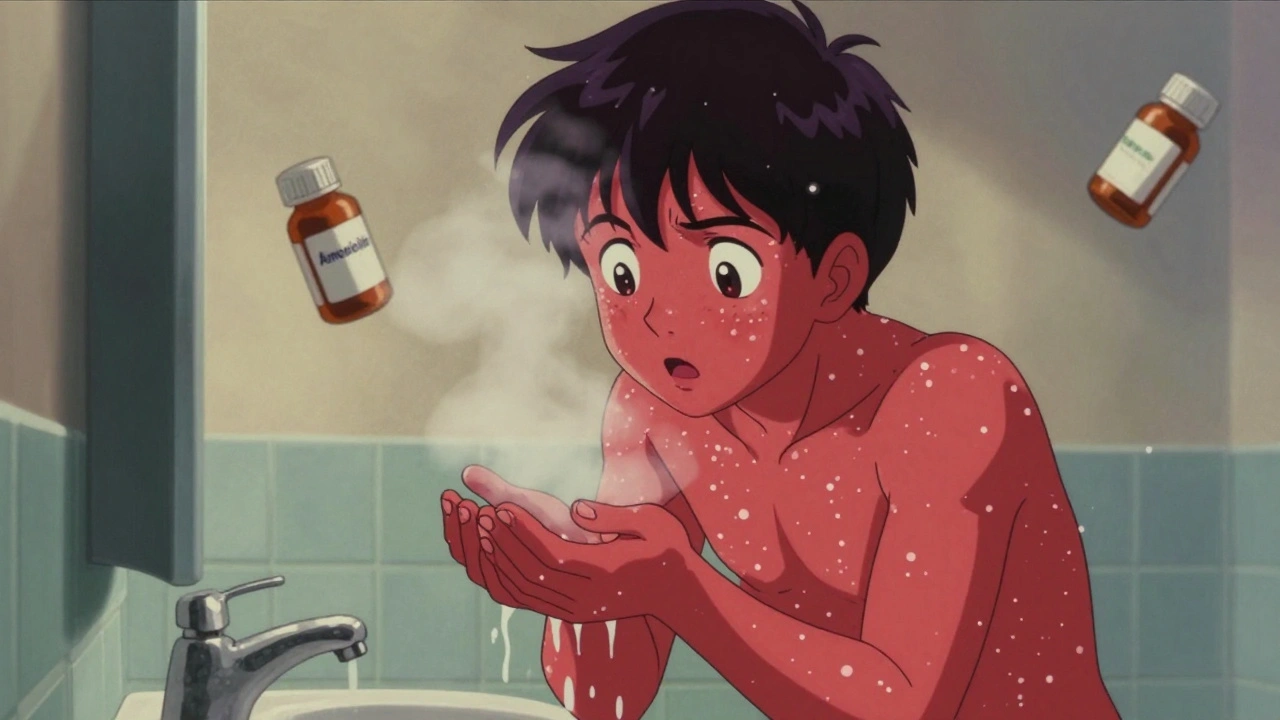
When your skin breaks out in red bumps, hives, or a widespread rash after starting a new pill, it’s often not just a coincidence—it’s a drug rash, a skin reaction triggered by medication. Also known as medication-induced rash, it’s one of the most common side effects people don’t expect, and it can range from mild irritation to a life-threatening emergency. You might’ve taken the same medicine before with no issue, but your body’s response can change. Even over-the-counter drugs like ibuprofen or antibiotics like penicillin can cause this reaction. It’s not always an allergy—it’s often your immune system misfiring, seeing the drug as a threat.
Some drug rashes, are harmless and fade on their own. But others, like Stevens-Johnson syndrome, are medical emergencies. These severe reactions often start with flu-like symptoms, then spread into painful blisters across the skin and mucous membranes. Meanwhile, milder forms look like measles, sunburn, or tiny red dots that don’t fade when you press on them. The timing matters too: a rash that shows up 7–14 days after starting a new drug is more likely to be drug-related than one that appears the same day. Certain medications are more likely to trigger this—antibiotics, seizure drugs, NSAIDs, and sulfa drugs top the list. But even common meds like acetaminophen or birth control pills can be culprits. And here’s the catch: if you’ve had a drug rash once, you’re at higher risk if you take that same drug again, even years later.
What you do next can make all the difference. Don’t just stop the medicine on your own—call your doctor. They’ll help you figure out if it’s the drug, a virus, or something else. In many cases, stopping the trigger is enough. But if the rash is spreading, blistering, or you’re having trouble breathing, go to the ER. Tracking what you’ve taken, when you started it, and how the rash changed over time helps doctors diagnose it faster. This isn’t just about skin—it’s about protecting your whole system.
The posts below cover real cases, hidden triggers, and what to ask your doctor when a rash shows up. You’ll find stories from people who thought it was just a bug, only to learn it was a reaction to their blood pressure pill or antidepressant. Others share how they avoided a dangerous second reaction by knowing the warning signs. This isn’t guesswork—it’s what works when your skin screams for help.