HCC Surveillance After Hepatitis C: What You Need to Know
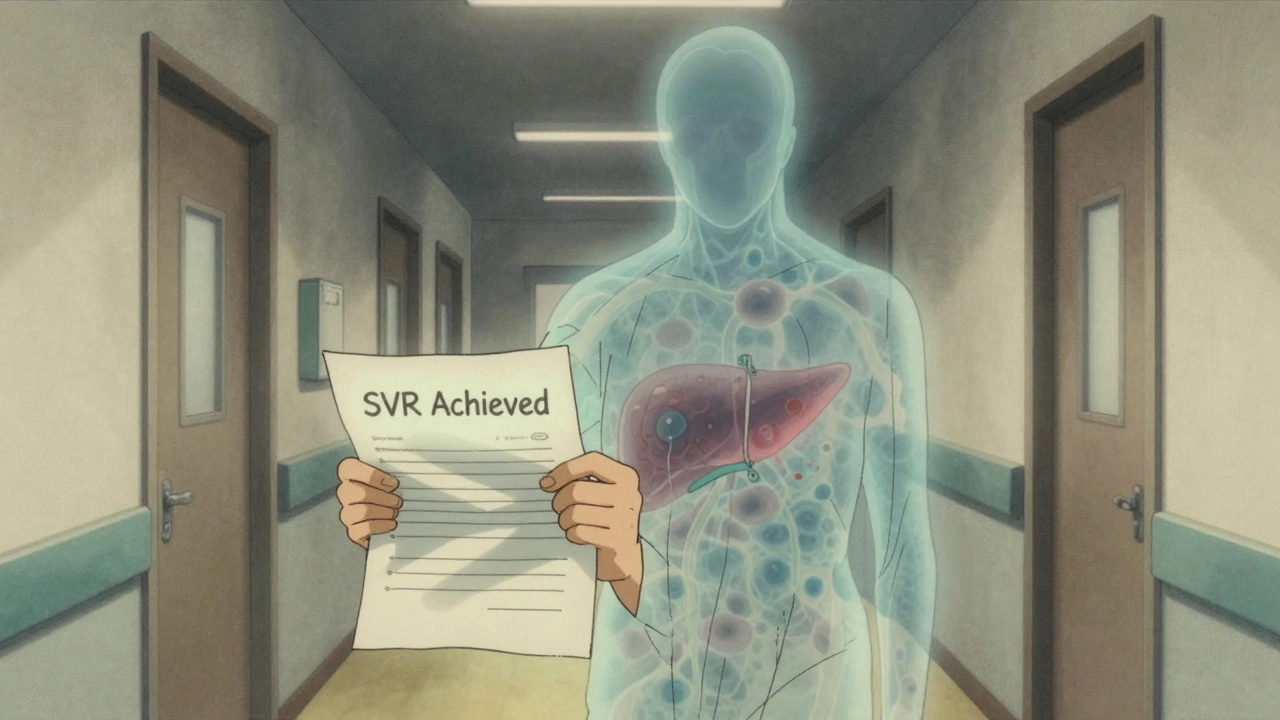
When you’ve cleared hepatitis C, a viral infection that can cause long-term liver damage, it’s easy to think the danger is over. But for many, the real risk shifts—into hepatocellular carcinoma, the most common type of liver cancer. Even after the virus is gone, damaged liver tissue can still turn cancerous. That’s why HCC surveillance, a structured screening process for early liver cancer detection isn’t optional—it’s life-saving. If you’ve had chronic hepatitis C and developed cirrhosis, your risk of liver cancer stays high for years, even after cure.
Most guidelines say you need HCC surveillance if you have cirrhosis, no matter how you got it. That means regular liver ultrasound, a non-invasive scan that looks for tumors every six months, often paired with a blood test for alpha-fetoprotein, a protein that can rise when liver cancer is present. But here’s the catch: ultrasounds miss small tumors. And alpha-fetoprotein isn’t reliable on its own. That’s why doctors don’t rely on one test—they use both, and watch for changes over time. The goal isn’t to prevent cancer—it’s to catch it early, when surgery or ablation still has a real chance to work. Many people skip surveillance because they feel fine. But liver cancer doesn’t cause symptoms until it’s advanced. By then, treatment options shrink fast.
Surveillance isn’t just for people with advanced cirrhosis. Even if your liver fibrosis is mild to moderate, if you’re over 50, have a family history of liver cancer, or still have other risk factors like diabetes or heavy alcohol use, your doctor might still recommend it. The science is clear: regular screening cuts liver cancer deaths by up to 35%. It’s not perfect, but it’s the best tool we have. And it’s free or low-cost under most insurance plans. You don’t need to wait for symptoms. You don’t need to be perfect. You just need to show up for the scan.
What follows are real-world insights from patients and providers who’ve navigated this path. You’ll find posts on how to track your liver health after hepatitis C, what to ask your doctor during screenings, why some people miss their appointments, and how to spot warning signs before they become emergencies. These aren’t theory pieces—they’re practical guides written by people who’ve lived it. Whether you’re just starting surveillance or have been doing it for years, you’ll find something that helps you stay ahead of the curve.