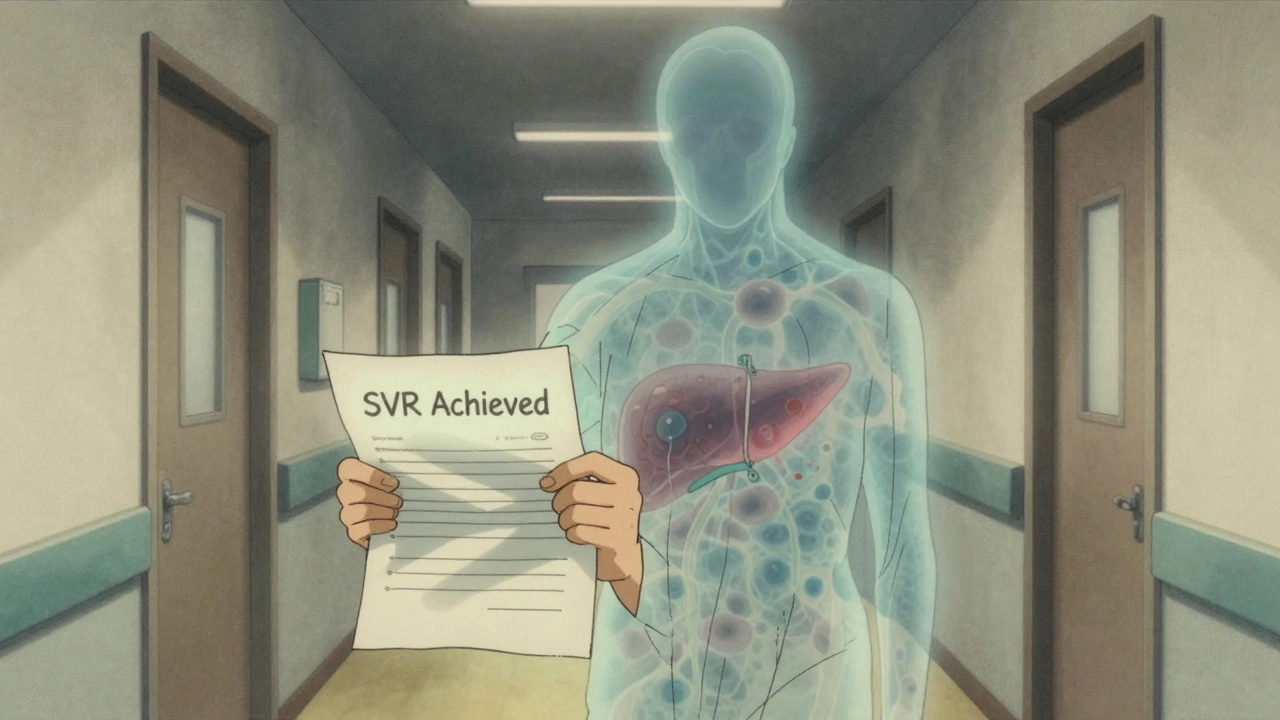
Hepatitis C Cure and Cancer Risk
When you hear hepatitis C cure, a medical outcome where the virus is cleared from the body using direct-acting antiviral drugs. Also known as sustained virologic response, it means the virus is gone — but that doesn’t always mean your liver is safe. Even after the virus is wiped out, your liver might still carry damage from years of inflammation. That’s why hepatitis C cure and cancer risk, the chance of developing liver cancer after viral clearance aren’t the same thing. Many people think beating hepatitis C means they’re out of the woods. But the truth? The risk of liver cancer, a deadly tumor that often develops in damaged livers, even without active virus stays elevated for years — sometimes decades.
Here’s the hard part: the damage hepatitis C does isn’t always reversible. If you had cirrhosis before treatment, your liver cells are already scarred and working in survival mode. That scar tissue is where cancer starts. Studies show people with cirrhosis who cleared hepatitis C still have a 1–3% annual risk of liver cancer. That’s lower than before treatment, but it’s not zero. And if you never had cirrhosis? Your risk is much lower — but not gone. Factors like ongoing alcohol use, obesity, or diabetes can keep pushing your liver toward trouble. Even after a cure, your liver needs ongoing care. No more ignoring checkups. No more assuming you’re fine because the virus is gone.
What actually reduces cancer risk after a hepatitis C cure? Regular monitoring with ultrasound and blood tests every six months. Stopping alcohol completely. Losing weight if you’re overweight. Controlling blood sugar. These aren’t just good ideas — they’re survival tools. And they work. People who stick to follow-up care and healthy habits cut their cancer risk in half over time. The cure got you off the virus train. Now you’ve got to stay on the health train — or risk getting off at the cancer stop.
What you’ll find below are real stories and facts from people who’ve been through this. You’ll see how one wrong decision after a cure led to liver cancer — and how another person avoided it by simply showing up for their scans. You’ll learn why some doctors skip follow-ups, why insurance sometimes won’t cover them, and what you can do to push back. This isn’t about fear. It’s about knowing what comes after the cure — and how to protect yourself when no one’s watching.