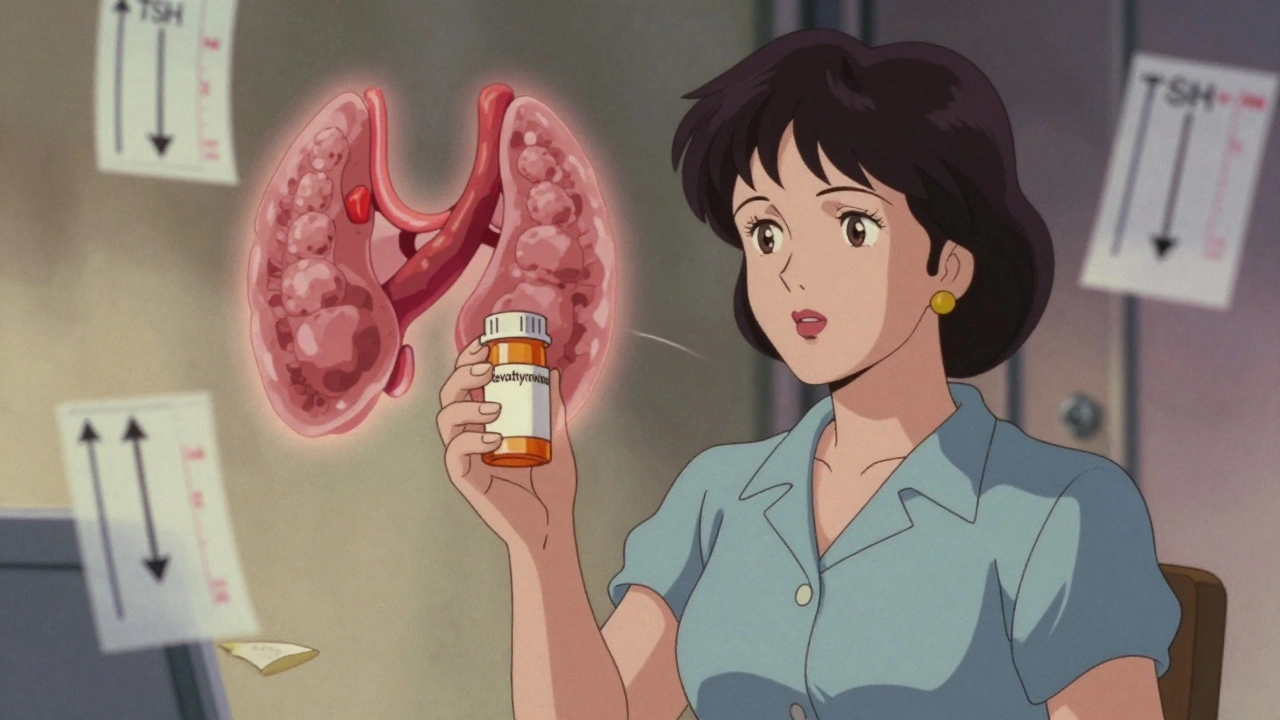
Hypothyroidism Treatment: What Works, What Doesn't, and What to Ask Your Doctor
When your thyroid doesn't make enough hormones, your body slows down—and that's hypothyroidism, a condition where the thyroid gland fails to produce sufficient thyroid hormone, leading to fatigue, weight gain, and cold intolerance. Also known as underactive thyroid, it affects more than 10 million people in the U.S., mostly women over 60. The most common cause? Hashimoto’s disease, an autoimmune attack on the thyroid. But it can also come from radiation, surgery, or even certain meds. Left untreated, it doesn’t just make you tired—it raises your risk for heart problems, high cholesterol, and depression.
The go-to fix? levothyroxine, a synthetic form of the thyroid hormone T4, used to replace what the body can’t make. It’s cheap, widely available, and works for most people. But here’s the catch: not everyone feels better on it. Some need more than just T4—some bodies struggle to convert it to T3, the active form. That’s why symptoms like brain fog, dry skin, or unexplained weight gain might mean your dose is off, not that you’re just getting older. And yes, thyroid function, how well your thyroid produces and regulates hormones, measured by TSH and free T4 blood tests—needs checking every 6 to 12 weeks after a dose change. Too little? You stay sluggish. Too much? You risk bone loss or heart rhythm issues.
There’s no magic pill or supplement that replaces levothyroxine. Selenium? Zinc? Iodine? They might help in rare cases—like if you’re severely deficient—but they won’t fix Hashimoto’s or restore your thyroid. And no, switching to natural desiccated thyroid (NDT) from pig glands isn’t proven better. Most guidelines still point to levothyroxine as the safest, most predictable option. What matters most? Consistency. Take it on an empty stomach, wait 30-60 minutes before eating or drinking coffee, and avoid calcium or iron supplements for at least four hours. Miss a dose? Don’t double up—just take it when you remember.
What you’ll find below are real stories and science-backed facts about how people manage this condition. You’ll see how some patients struggle with generic vs. brand versions, why lab results don’t always match how they feel, and what to do when your doctor says you’re "fine" but you still can’t get out of bed. These aren’t theories—they’re lived experiences, lab reports, and medication reviews from people who’ve been there. Whether you’re newly diagnosed or have been on levothyroxine for years, this collection gives you the tools to ask better questions, spot red flags, and finally feel like yourself again.