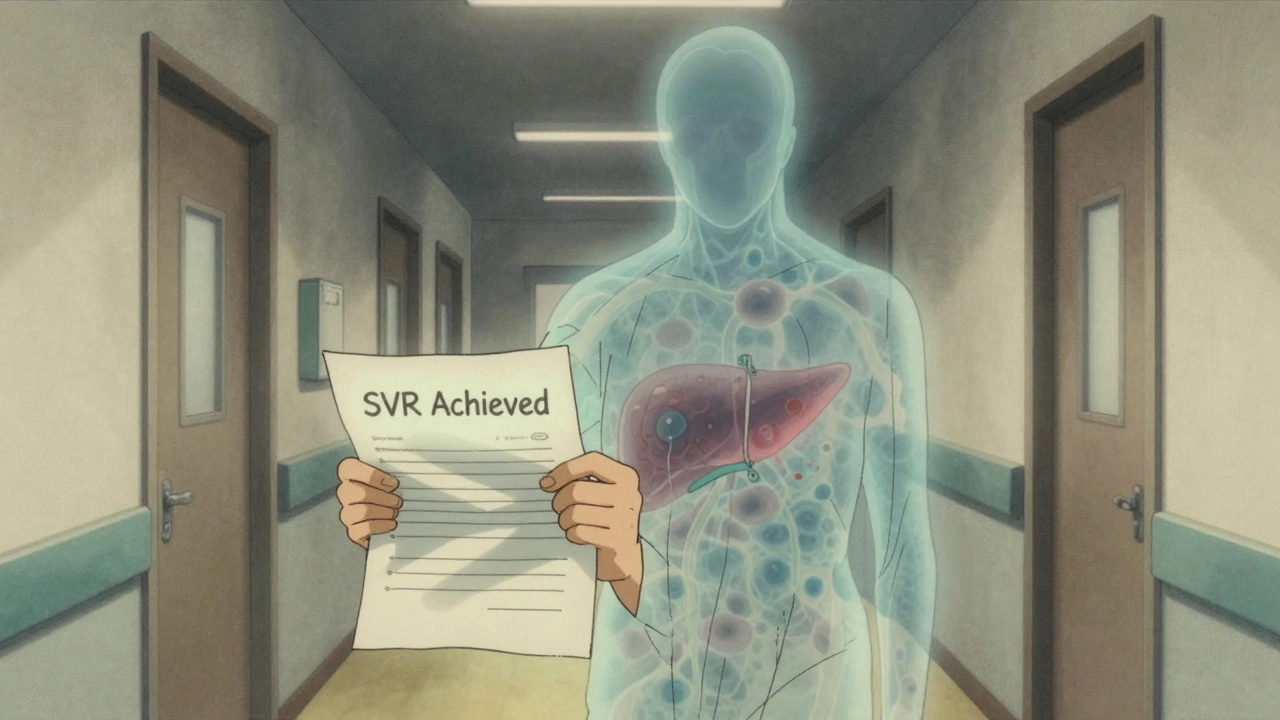
Liver Surveillance After DAA Treatment: What You Need to Know
When you finish DAA treatment, direct-acting antiviral therapy for hepatitis C that clears the virus from your body, it’s tempting to think your liver is back to normal. But clearing the virus doesn’t always mean healing is complete. Many people still have scar tissue—fibrosis or even cirrhosis—long after the virus is gone. That’s why liver surveillance after DAA treatment, a structured plan to monitor liver health after successful hepatitis C cure isn’t optional. It’s essential. Without it, you could miss early signs of liver cancer or worsening damage, even if you feel fine.
Think of it like this: DAA therapy stops the infection, but it doesn’t erase years of damage. The liver can repair itself to some degree, but if scarring is advanced, the risk of liver cancer stays elevated for years. Studies show that people with cirrhosis before treatment still have a 1–3% yearly risk of developing hepatocellular carcinoma—even after being cured. That’s why guidelines from the AASLD and EASL recommend ongoing monitoring. Surveillance usually means an ultrasound, a non-invasive imaging test used to detect liver tumors and structural changes every six months, sometimes paired with a blood test for AFP (alpha-fetoprotein), a tumor marker that can signal liver cancer when elevated. It’s not glamorous, but it’s simple, cheap, and life-saving.
Not everyone needs the same level of monitoring. If you had mild fibrosis before treatment, your doctor might skip long-term scans. But if you had cirrhosis—or if you’re over 50, have diabetes, drink alcohol, or have a family history of liver cancer—you’re in the high-risk group. And that’s where surveillance makes the biggest difference. Missing a tumor in its early stage can turn a treatable condition into a fatal one. The good news? When caught early, liver cancer has a much better outcome. Surveillance isn’t about fear—it’s about control. You did the hard part by getting cured. Now, you just need to protect what’s left.
What you’ll find below are real, practical posts that break down what happens after DAA treatment. You’ll see how liver fibrosis is measured, why some people still need biopsies, how alcohol affects recovery, and what symptoms to watch for that might mean trouble. These aren’t theory pieces. They’re based on what doctors see in clinics and what patients actually experience. Whether you’re just finishing treatment or are years out and wondering if you still need checkups, this collection gives you the facts you need to stay safe—without the jargon or fluff.