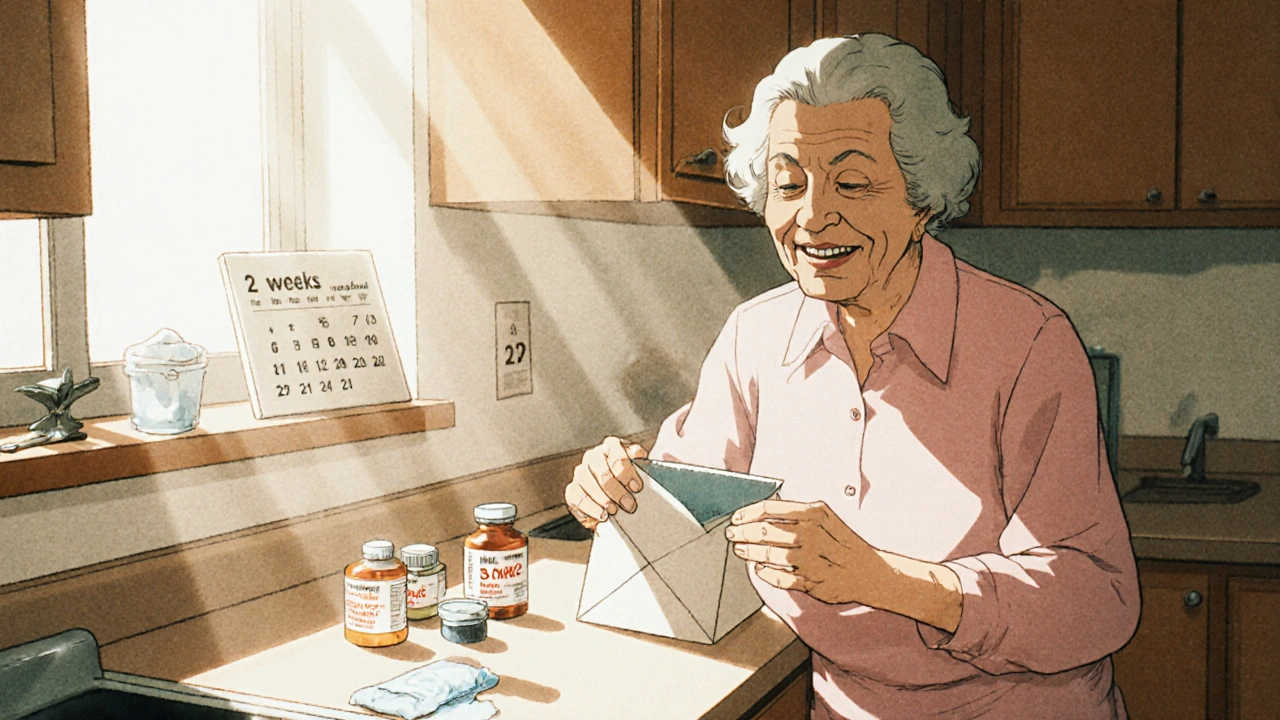
Mail-Order Generics: What You Need to Know About Cost, Safety, and Delivery
When you order mail-order generics, generic medications delivered directly to your home through a pharmacy service. Also known as home delivery generics, they’re designed to cut costs and reduce trips to the pharmacy—especially for long-term prescriptions like blood pressure or diabetes meds. Many people assume these are just cheaper versions of brand drugs, but the real story is more complex. Behind the savings is a system shaped by pharmacy benefit managers, overseas manufacturing, and strict FDA testing—like dissolution testing, the process that ensures generic drugs release their active ingredients at the same rate as brand versions. Without this, a pill might look identical but act differently in your body.
Not every generic is the same. For drugs like thyroid medication or seizure control, even tiny differences in fillers or absorption can matter. That’s why long-term safety of generic vs brand drugs, a topic backed by real-world data showing most generics perform equally well over time is so important. But here’s the catch: if your prescription is filled by a mail-order pharmacy that sources from unknown suppliers, you might get a version that hasn’t passed the same quality checks. The generic drug supply chain, the route from overseas factories to your mailbox involves multiple middlemen, and not all of them follow U.S. standards. That’s why some people stick with local pharmacies—especially when switching brands causes side effects.
Cost isn’t always what it seems. While mail-order often promises three-month supplies at lower copays, your plan might use tiered copays, a system where PBMs group drugs into price levels based on rebates, not medical need. A generic you thought was cheap could end up in a higher tier because the manufacturer didn’t pay enough to the middleman. And if your insurance forces you into mail-order, you might lose the ability to switch brands if one doesn’t work for you. The good news? You can fight back. Ask your doctor for a medical exception, check for patient assistance programs, or compare prices across different mail-order services.
What you’ll find in the posts below is a no-fluff look at how mail-order generics really work—from the factories that make them, to the hidden fees that drive up your bill, to the real risks and rewards of getting your meds delivered. You’ll see how people have saved hundreds a year, and others who got sick because a generic didn’t dissolve right. No theory. No marketing. Just what’s happened, what the data says, and what you can do to stay safe while saving money.