Medication and Blood Clots: Risks, Causes, and What You Need to Know
When you take a new medication, you’re not just treating one problem—you might be changing how your blood flows. medication blood clots, blood clots triggered or worsened by prescription or over-the-counter drugs. Also known as drug-induced thrombosis, this is a real and often overlooked risk that can turn a simple pill into a silent danger. It’s not just about blood thinners like warfarin or Xarelto. Even common drugs—birth control pills, hormone therapy, certain antidepressants, and even some cancer treatments—can mess with your body’s natural clotting system. The problem isn’t always obvious. You might feel fine until you suddenly can’t breathe, or your leg swells without warning.
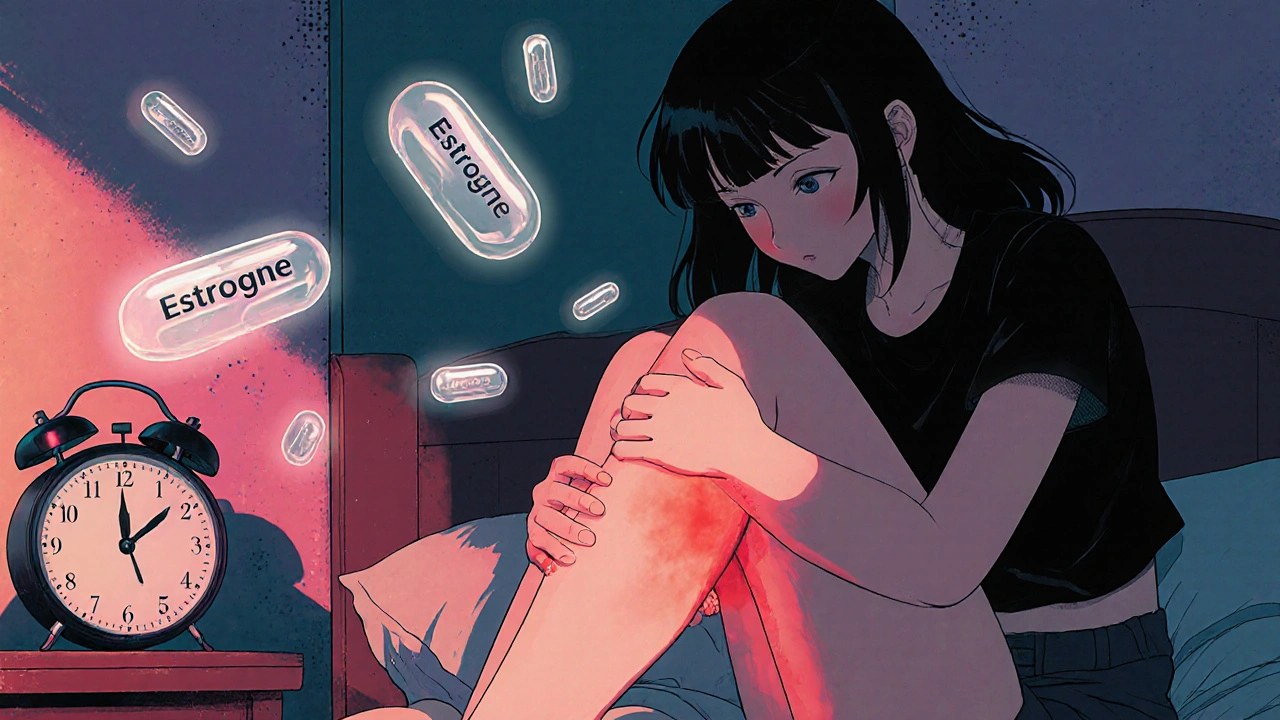
anticoagulant drugs, medications designed to prevent dangerous clots. Also known as blood thinners, these are meant to protect you—but they’re not risk-free. Taking them wrong, mixing them with other meds, or skipping doses can backfire. And then there are the drugs that accidentally cause clots. Estrogen-based birth control, for example, raises clot risk by 3 to 4 times compared to non-users. Steroids, especially long-term use, can thicken your blood. Even some antibiotics and antifungals, like azoles, can interact with other meds to increase clotting chances. It’s not just about the drug itself—it’s about how it talks to your body, your other pills, and your health history. medication side effects, unintended changes in your body from taking a drug. Also known as adverse drug reactions, these are why you need to speak up if something feels off. A swollen ankle, sudden shortness of breath, chest pain, or unexplained bruising aren’t just annoyances—they could be your body screaming about a clot. Many people don’t connect these symptoms to their meds because they assume side effects are just nausea or drowsiness. But clotting is quiet, deadly, and often missed until it’s too late.
What makes this even trickier is that some medications help prevent clots while others cause them—and sometimes, the same drug can do both depending on your situation. For example, tamoxifen lowers breast cancer risk but raises clot risk in some women. The same goes for certain antidepressants and even some weight-loss drugs. Your doctor might not always know the full picture, especially if you’re taking multiple prescriptions or supplements. That’s why tracking what you take and how you feel matters more than ever.
In the posts below, you’ll find real, practical breakdowns of how specific drugs affect clotting, what to watch for, and how to protect yourself. From how OTC nasal sprays can indirectly impact circulation to how SGLT2 inhibitors for diabetes carry hidden risks, these articles cut through the noise. You’ll learn what to ask your pharmacist, how to spot early signs of trouble, and which meds are safest based on your health profile. This isn’t theory—it’s what people actually need to know to stay safe while taking the pills they rely on.