Neuroleptic Malignant Syndrome: Causes, Signs, and What You Need to Know
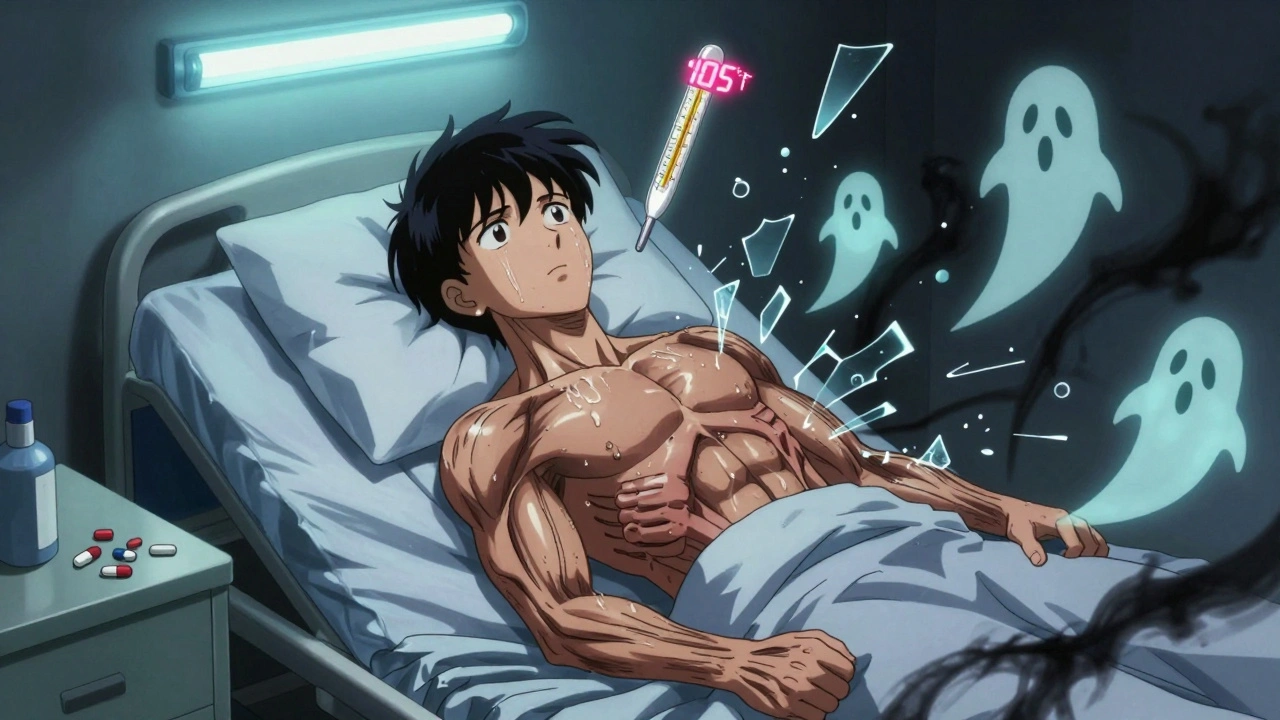
When someone develops neuroleptic malignant syndrome, a rare but deadly reaction to certain psychiatric medications, often antipsychotics, that causes extreme muscle rigidity, high fever, and organ stress. Also known as NMS, it’s not just a side effect—it’s a medical emergency that needs immediate treatment. This isn’t something that shows up slowly. It hits fast—often within days of starting a new antipsychotic drug or increasing the dose. People might suddenly feel stiff, sweaty, and confused, with their body temperature spiking above 102°F. Their muscles lock up like they’re made of stone. Their heart races. Their kidneys start to fail. If you or someone you know is on an antipsychotic and shows these signs, waiting even an hour can be dangerous.
This condition is tied directly to how these drugs affect dopamine in the brain. Antipsychotics block dopamine receptors, and when that happens too hard or too fast, the body loses its ability to regulate movement and temperature. That’s why antipsychotic drugs, medications like haloperidol, risperidone, and chlorpromazine used to treat schizophrenia and bipolar disorder are the main triggers. But it’s not just those. Even drugs like metoclopramide, used for nausea, can cause it. The risk goes up if someone is dehydrated, has a fever from another illness, or is taking multiple drugs that affect the nervous system. It’s rare—only about 0.02% to 0.05% of people on these meds—but when it happens, it kills 10% to 20% of the time if not treated right away.
What makes NMS tricky is that doctors sometimes mistake it for other problems—like infections, heatstroke, or even a psychiatric crisis. That’s why knowing the full picture matters. The four key signs are: extreme muscle rigidity, stiffness so severe you can’t move limbs or neck, high hyperthermia, body temperature over 102°F that doesn’t respond to normal cooling, altered mental status (confusion, agitation, coma), and unstable vital signs (fast heartbeat, fluctuating blood pressure). Blood tests will show high CK levels from muscle breakdown and elevated white blood cells. It’s not a guess—it’s a diagnosis based on clear patterns.
Stopping the drug is step one. Then comes aggressive cooling, fluids, and sometimes medications like dantrolene or bromocriptine to restore dopamine function. Recovery can take days to weeks. But here’s the thing: if caught early, most people fully recover. The real danger is delay. That’s why patient advocacy matters. If you’re on an antipsychotic and feel unusually stiff, hot, or confused—speak up. Tell your doctor immediately. Don’t wait for it to get worse. Your body is sending signals. Learn them. Trust them.
Below, you’ll find real stories and science-backed insights into how these reactions happen, how they’re tracked after drugs hit the market, and what steps can prevent them. From pharmacovigilance systems that catch these rare events to how to recognize the earliest warning signs, these posts give you the tools to stay safe—not just informed.