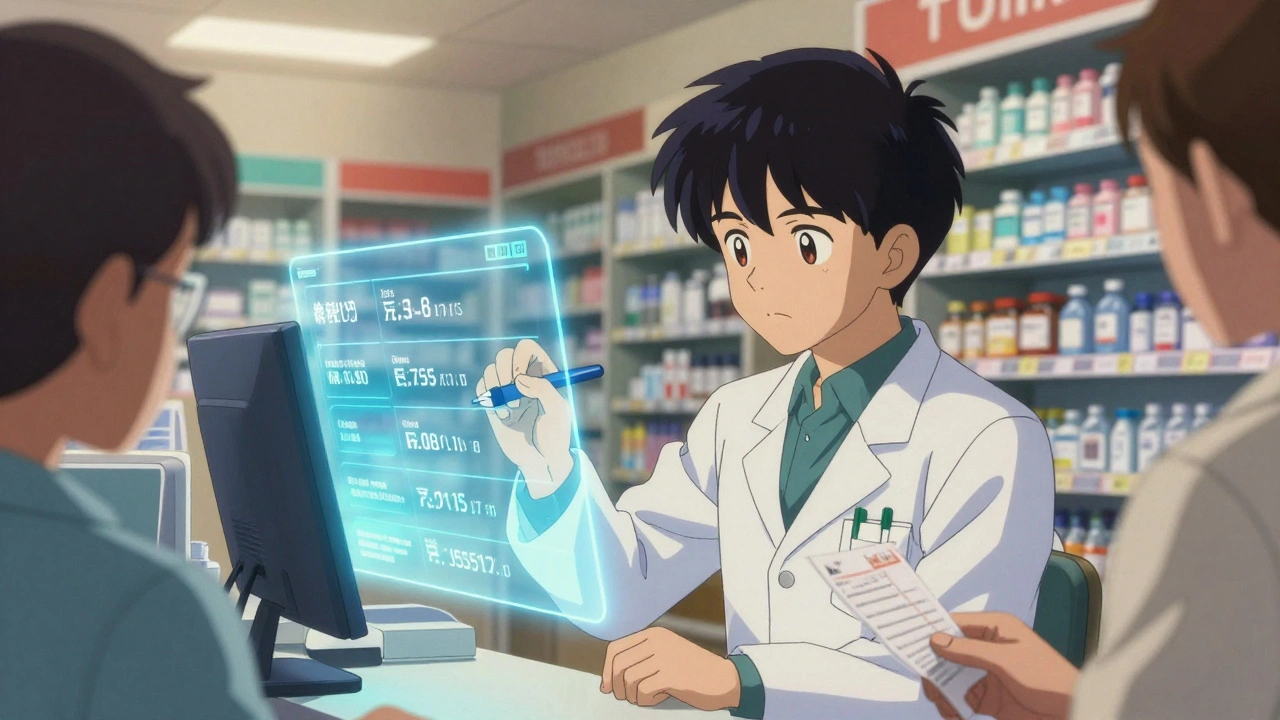
Pharmacist Records: What They Are, Why They Matter, and How They Keep You Safe
When you pick up a prescription, pharmacist records, digital logs that track every medication you’ve ever been prescribed, filled, or reviewed by a licensed pharmacist. Also known as medication history files, these records are the backbone of safe prescribing and the first line of defense against dangerous drug interactions. They don’t just store names and doses—they connect the dots between your thyroid meds, your painkillers, your antihistamines, and even that new cannabis tincture you started last month. Without them, a simple refill could turn into a hospital visit.
These records are more than digital files—they’re active safety tools. When a pharmacist sees you’re on levothyroxine and just got a new antidepressant, they check for interactions that could throw off your thyroid levels. When you’re on an SGLT2 inhibitor for diabetes, they flag if you’ve also been prescribed a steroid that could raise your risk of diabetic ketoacidosis. Pharmacist records catch what electronic systems miss: the patient who forgot to mention their OTC nasal spray, the supplement they think is harmless, or the alcohol they drink daily. They’re how medication safety, the practice of preventing harm from drugs through careful monitoring and communication becomes real, not just a slogan.
Behind every accurate record is a team: pharmacists reviewing your history, nurses updating your chart, and sometimes even you calling in to correct a typo. That’s why prescription tracking, the ongoing process of updating and verifying your full drug list across all providers matters. A single missed detail—a generic switch, a missed refill, a change in dosage—can ripple into side effects you didn’t expect. And when you’re on mail-order generics or dealing with tiered copays, those records become your proof that you’re getting the right drug at the right dose.
It’s not just about avoiding bad reactions. Pharmacist records help you understand why a drug stopped working, why you gained weight, or why your restless legs got worse after switching allergy meds. They’re how pharmacists spot patterns: like how repeated use of antihistamines triggers RLS, or how a new blood pressure drug causes a pustular rash called AGEP. These records turn guesswork into clarity.
And they’re not optional. With post-marketing pharmacovigilance systems tracking side effects across millions of users, your individual record becomes part of a larger safety net. When a new drug reaction emerges—like neuroleptic malignant syndrome or a blood clot from birth control—your pharmacist’s notes help connect the dots for regulators and researchers. Your history isn’t just yours. It helps protect others too.
What you’ll find below are real stories from people who’ve been caught in the gaps—and those who’ve been saved by them. From how generic drug supply chains affect record accuracy, to why team-based care makes pharmacist records more powerful, to how cultural attitudes shape whether patients even share their full med list—these posts show the human side of the data. You’ll learn how to read your own records, what to ask for, and how to make sure nothing slips through. This isn’t about paperwork. It’s about staying alive, feeling better, and knowing your meds are working for you—not against you.