Pharmacy Documentation: What It Is, Why It Matters, and How It Keeps You Safe
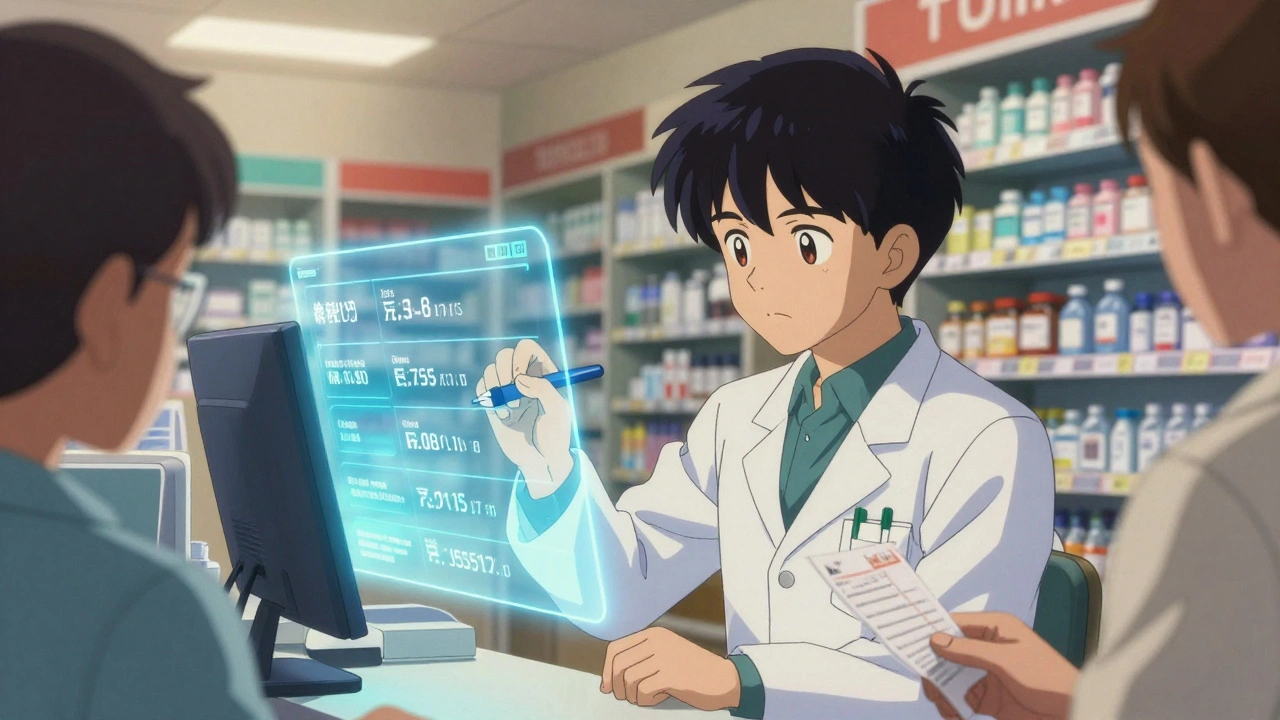
When you pick up a prescription, pharmacy documentation, the system of records that tracks every step of a medication’s journey from factory to your hands. Also known as medication traceability, it’s the invisible backbone of your drug safety. Without it, you wouldn’t know if your generic pill was made in a clean facility, if it breaks down the same way as the brand name, or if someone reported a dangerous side effect last week. It’s not paperwork for bureaucrats—it’s your personal safety net.
This system doesn’t start at your local pharmacy. It begins overseas, where active ingredients are made, then moves through distributors, warehouses, and finally to your pharmacist. drug supply chain, the network of manufacturers, shippers, and regulators that get medicines to patients leaves digital and paper trails at every stop. Each batch gets a unique code, temperature logs are kept, and expiration dates are verified. If something goes wrong—like a contaminated batch or a mislabeled bottle—this documentation lets officials pull it off shelves fast. And when a patient reports a bad reaction, that note gets added to pharmacovigilance, the global system for monitoring drug side effects after they’re on the market. These reports aren’t just filed away; they’re analyzed to warn doctors, update labels, or even pull drugs off the market.
Ever wonder how the FDA knows a generic drug works just like the brand? That’s thanks to generic drug quality, the strict testing that proves generics release their active ingredient at the same rate and amount as the original. Dissolution testing, batch consistency checks, and stability studies are all part of the documentation. These aren’t optional—they’re legally required. A pill that dissolves too slowly won’t help you. One that dissolves too fast could overdose you. The records prove it’s just right.
And it’s not just about pills. Pharmacy documentation covers how your meds are stored, how prescriptions are printed and sent electronically, and how pharmacists check for dangerous interactions. It’s why your doctor can’t just prescribe anything—systems flag conflicts with your other drugs. It’s why mail-order pharmacies can’t just ship anything in any box. Temperature-sensitive meds need climate-controlled shipping logs. Chemo drugs need double-checks before they leave the pharmacy. Even how you store your meds at home is part of this: keeping them away from cleaning supplies isn’t just common sense—it’s documented safety protocol.
When you see a label change, get a recall notice, or hear about a new warning on a drug you take, that’s pharmacy documentation working in real time. It’s the reason your thyroid med doesn’t suddenly stop working after switching brands. It’s why your child’s asthma inhaler still works even if the packaging looks different. It’s why you can trust that your $5 generic is as safe as the $50 version.
Below, you’ll find real stories and data showing how this system protects you—or where it falls short. From hidden risks in mail-order generics to how a single transcription error in an e-prescription can cause harm, these posts don’t just explain documentation. They show you how to use it to stay safe.