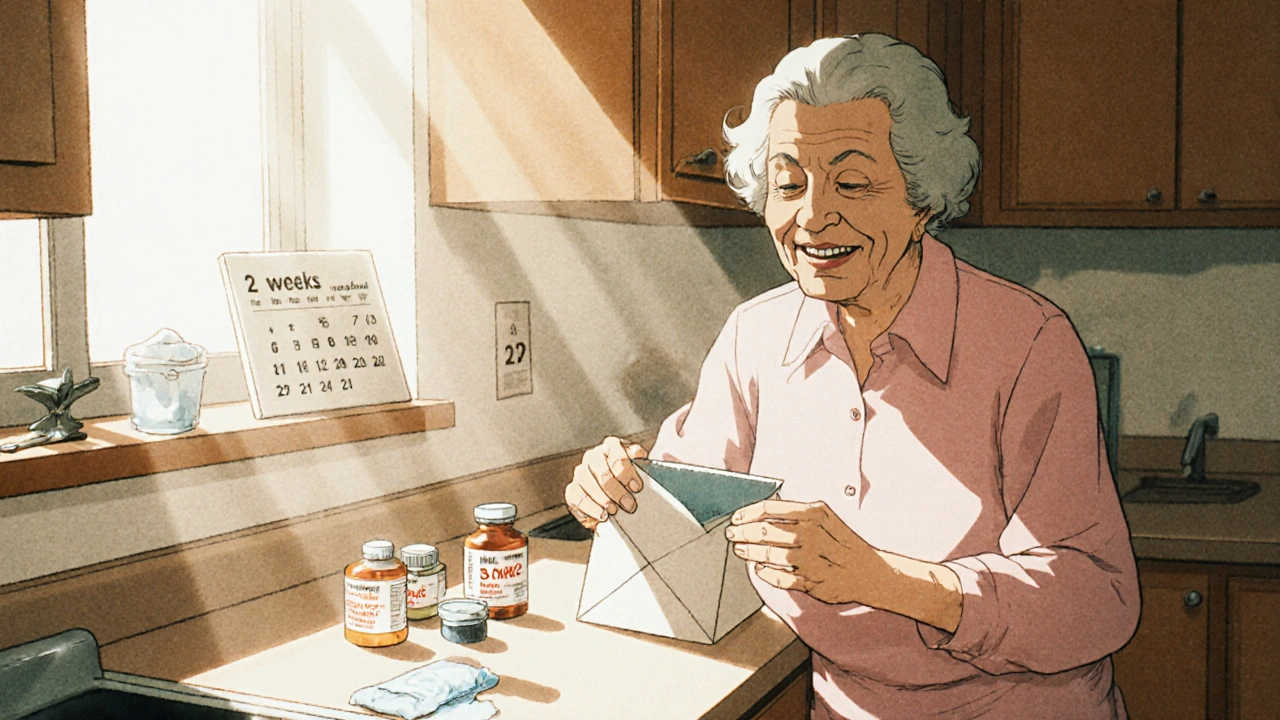
Prescription Delivery: How Your Medications Get to You and What You Need to Know
When you order a prescription, you expect it to show up—fast, safe, and at the price you were told. But behind that simple promise is a complex system called prescription delivery, the end-to-end process of getting FDA-approved medications from manufacturers to patients through pharmacies and mail-order services. Also known as medication distribution, it’s not just about shipping pills—it’s about control, cost, and sometimes, secrecy. Most people don’t realize that the drug in your bottle may have been made in India or China, shipped across oceans, repackaged in a warehouse, and then routed through a pharmacy benefit manager (PBM) that decides how much you pay—even if it’s a generic.
The real story of prescription delivery, the end-to-end process of getting FDA-approved medications from manufacturers to patients through pharmacies and mail-order services. Also known as medication distribution, it’s not just about shipping pills—it’s about control, cost, and sometimes, secrecy. starts with generic drug supply chain, the network of manufacturers, distributors, and logistics providers that move active pharmaceutical ingredients and finished drugs from overseas labs to U.S. pharmacies. Also known as pharmaceutical distribution network, it’s built on tight margins and global dependencies. A single pill can pass through five or more hands before it lands in your hands. Factories in Asia produce the raw chemicals, U.S.-based firms blend them into tablets, and then PBMs negotiate rebates that don’t always lower your price. That’s why your $4 generic might cost $20 at one pharmacy and $8 at another. It’s not about the drug—it’s about who controls the pipeline.
pharmacy drug sourcing, the process by which pharmacies choose which suppliers and wholesalers to buy medications from, often based on price, reliability, and rebate agreements. Also known as drug procurement, it’s where transparency vanishes. Most local pharmacies don’t buy directly from manufacturers—they rely on middlemen. And those middlemen? They prioritize deals that boost their profits, not yours. That’s why some drugs run out even when they’re in stock elsewhere. And when a shortage hits, it’s not just a supply issue—it’s a system failure. Meanwhile, your doctor might not know your pill came from a different batch than last month, or that the inactive ingredients changed, which can matter for people with allergies or sensitivities.
Then there’s medication safety, the practice of ensuring drugs are handled, stored, and delivered in ways that prevent contamination, errors, and harm. Also known as drug safety, it’s supposed to be non-negotiable. But between long transit times, improper storage in warehouses, and mislabeled packages, mistakes happen. One wrong label, one overheated shipment, and your blood pressure med could become useless—or dangerous. The FDA does inspections, but they can’t check every box. That’s why knowing where your meds come from matters. And why you should always check the pill’s appearance when you pick it up.
What you’ll find below are real stories from people who’ve been caught in this system—people who waited weeks for a refill, paid double for a generic, or got sick because a drug changed without warning. You’ll learn how PBMs manipulate prices, why some drugs disappear overnight, and how to protect yourself when your health depends on a delivery that’s out of your control. This isn’t about theory. It’s about your pills. Your money. Your health.