THC Interactions: What You Need to Know About Drug and Supplement Risks
When you take THC, the main psychoactive compound in cannabis that affects mood, pain, and appetite. Also known as tetrahydrocannabinol, it can change how your body processes other medicines. Many people use THC for sleep, pain, or anxiety—but they don’t realize it can mess with prescriptions they’re already taking. This isn’t just about feeling higher or drowsier. It’s about real risks like liver damage, breathing problems, or even heart issues.
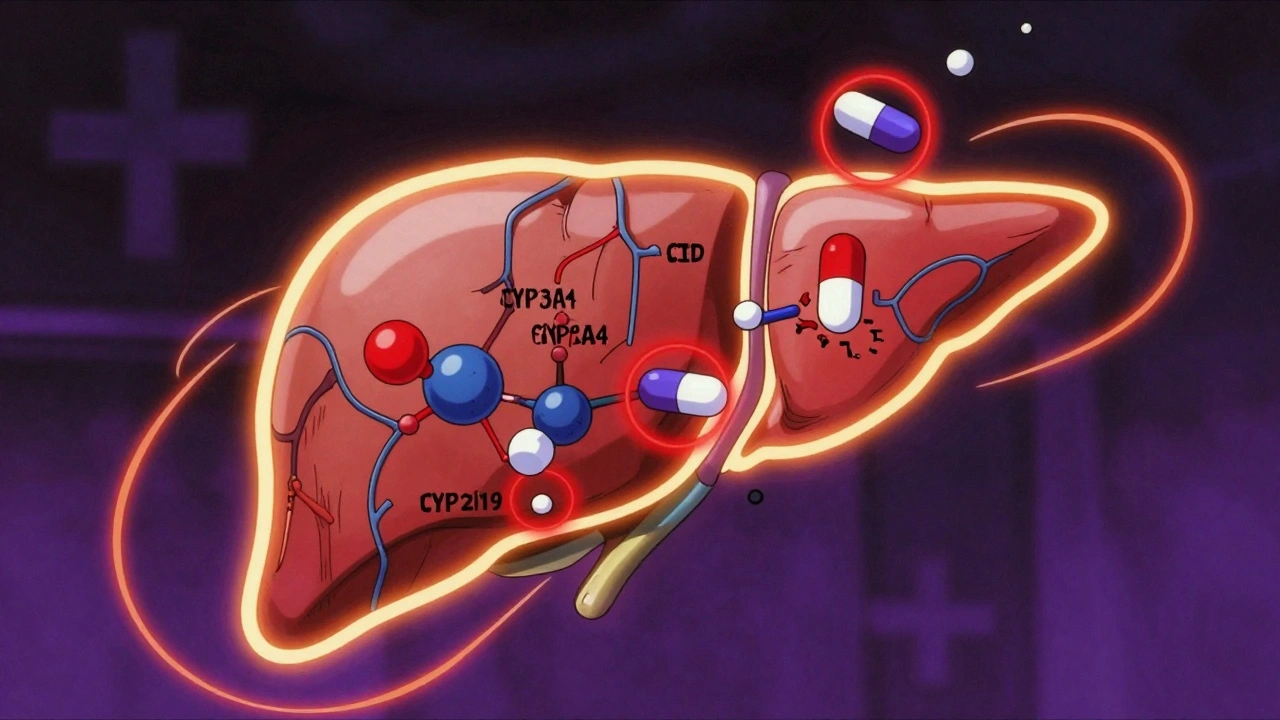
THC interacts with the same liver enzymes that break down statins, cholesterol-lowering drugs like atorvastatin or simvastatin, anticoagulants, blood thinners like warfarin, and antidepressants, including SSRIs and SNRIs. For example, if you’re on a statin and start using THC, your body might not clear the statin fast enough—leading to muscle damage. If you’re on warfarin, THC can make your blood clot too slowly or too quickly. And mixing THC with opioids or alcohol? That’s a recipe for dangerous breathing slowdown, just like the combo of alcohol and opioids we’ve seen in other posts.
It’s not just prescription drugs. Over-the-counter meds like antihistamines, such as Benadryl, used for allergies or sleep can make you way more drowsy when paired with THC. Even supplements like melatonin or valerian root can pile on the sedation. People think natural equals safe, but that’s not true here. Your body doesn’t know the difference between a plant extract and a pill—it just sees chemicals that compete for the same pathways.
Some folks with chronic conditions—like heart failure, epilepsy, or MS—use THC to manage symptoms. But if they’re also on medications like sacubitril, antiseizure drugs, or MS treatments, the interaction could undo the benefits or make side effects worse. And if you’re on thyroid meds like levothyroxine, THC might alter how your body absorbs or uses the drug, leading to unstable hormone levels.
There’s no one-size-fits-all answer. It depends on your dose, your metabolism, what else you’re taking, and even how you consume THC—smoked, eaten, or applied as a patch. But here’s the bottom line: if you’re using THC and any other medication, you’re playing with fire unless you know exactly what’s happening inside your body. The posts below break down real cases where THC mixed badly with common drugs, what symptoms to watch for, and how to talk to your doctor without sounding like you’re hiding something. You don’t need to quit THC to stay safe—you just need to understand the risks.