Warfarin and CBD: What You Need to Know About the Interaction
When you take warfarin, a blood thinner used to prevent dangerous clots in people with atrial fibrillation, artificial heart valves, or a history of deep vein thrombosis. Also known as Coumadin, it works by blocking vitamin K, which your body needs to form clots. But if you’re also using CBD, a compound from the cannabis plant often taken for pain, anxiety, or sleep. Also known as cannabidiol, it can interfere with how your liver breaks down warfarin.
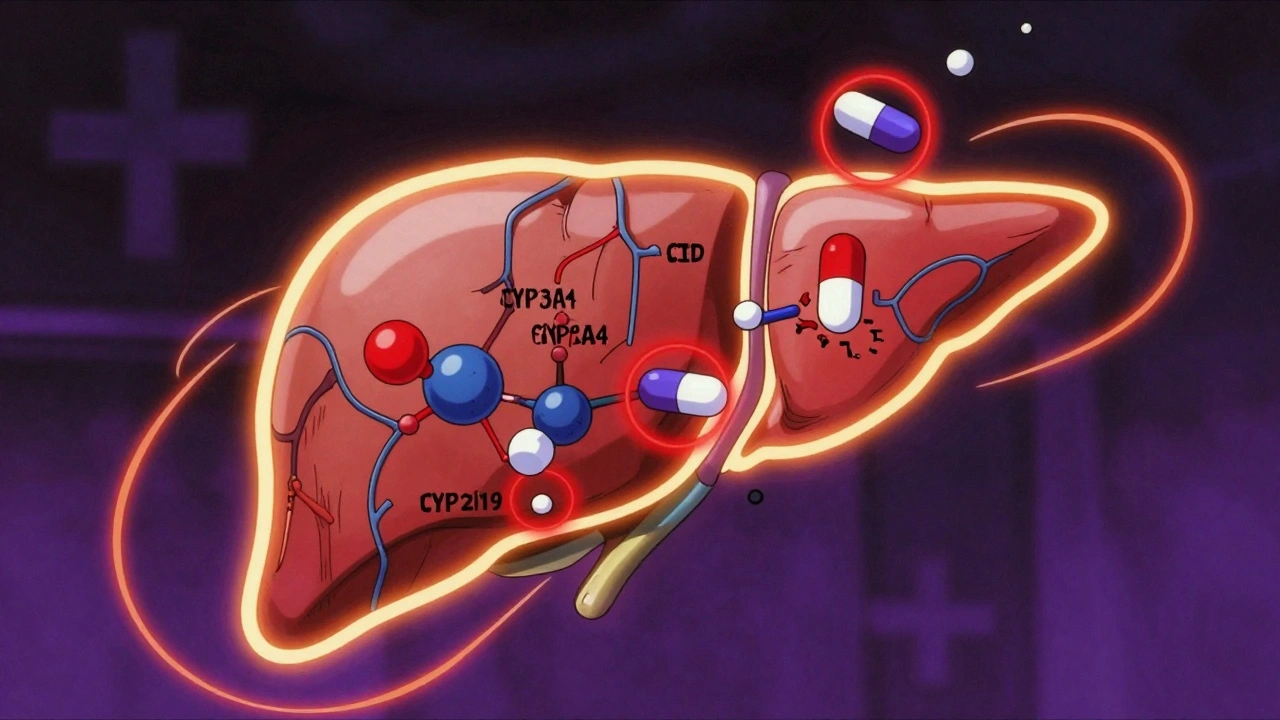
This interaction isn’t theoretical—it’s been seen in real patients. CBD slows down the enzyme CYP2C9, the same one your liver uses to process warfarin. When that enzyme slows, warfarin builds up in your blood. That means your INR (a blood test that measures how long it takes your blood to clot) can spike unexpectedly. A high INR means your blood is taking too long to clot, which raises your risk of serious bleeding—even from minor cuts or bruises. You might notice blood in your urine, nosebleeds that won’t stop, or unusual bruising. These aren’t side effects you can ignore. The FDA has warned about this combo, and studies from the Journal of Clinical Pharmacology show CBD can increase warfarin levels by up to 30% in some people.
It’s not just CBD either. Other cannabis products, like full-spectrum oils with trace THC, can add more unpredictability. Even if you’re using a low dose of CBD, your body’s response can change over time. What worked last month might not be safe this month. That’s why people on warfarin need consistent monitoring. If you’re thinking about trying CBD, talk to your doctor first. Don’t wait until you’re already taking it. Your pharmacist can help too—they see your full medication list and can flag risks you might miss. You don’t have to give up CBD entirely, but you need a plan: start low, monitor your INR closely, and never adjust your warfarin dose on your own.
The posts below cover real cases and practical advice from people managing blood thinners, drug interactions, and medication safety. You’ll find guides on spotting hidden risks with supplements, how to talk to your doctor about alternative treatments, and what to do when your lab results don’t match how you feel. This isn’t about fear—it’s about control. With the right info, you can use CBD safely—or choose better options—without putting your health at risk.